
Are Dehumidifiers Good for Bathrooms?
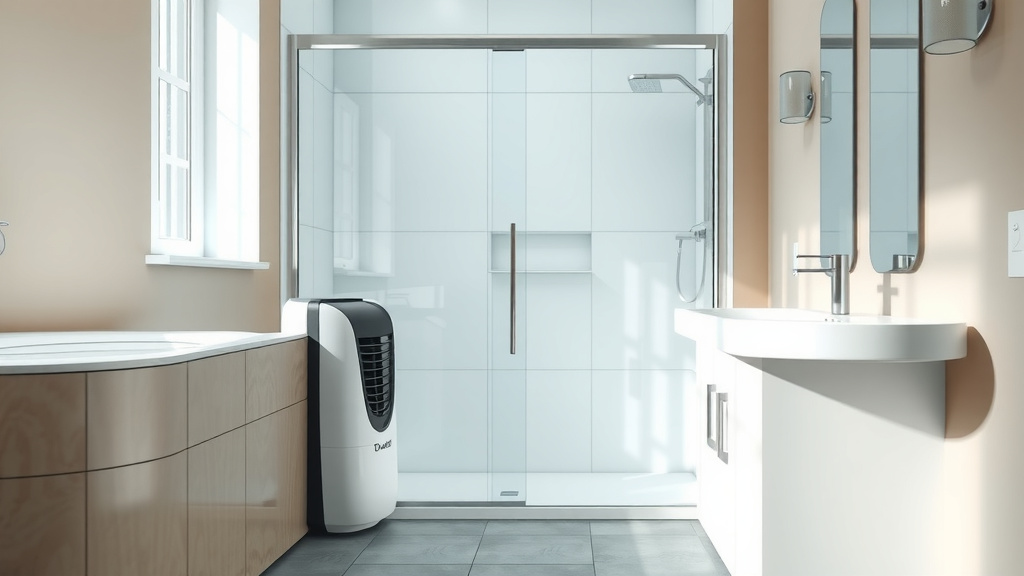
Yes, dehumidifiers are good for bathrooms because they actively remove excess moisture, preventing mold growth and protecting surfaces from humidity damage.
Using a dehumidifier in your bathroom creates a significantly healthier environment by tackling airborne moisture that leads to mildew and peeling paint.
- Bathrooms often trap a lot of humidity, which can quickly lead to mold, mildew, and damage.
- A dehumidifier actively removes this excess moisture, protecting your home and health.
- Choosing the right size and type of unit for your bathroom is important for effectiveness.
- Proper placement and good ventilation work hand-in-hand with a dehumidifier for best results.
- They are a smart solution for a drier, cleaner, and healthier bathroom space.
Are Dehumidifiers Good for Bathrooms?
You might be wondering if a dehumidifier is truly useful in a bathroom. The simple answer is a resounding yes!
These devices are incredibly effective at controlling the high moisture levels that often plague these spaces.
Why Does Your Bathroom Get So Humid?
Think about your daily routine. Hot showers, relaxing baths, and even just running the tap all release steam.
This steam is water vapor, and it quickly fills the air in your bathroom, especially if ventilation is poor.
This warm, moist air then condenses on cooler surfaces like mirrors, walls, and ceilings.
The Enemy: Mold and Mildew
High humidity creates a perfect breeding ground for mold and mildew. These unwelcome guests love damp, dark places.
Mold isn’t just unsightly; it can also lead to unpleasant odors and potentially cause respiratory irritation for some individuals (CDC).
You definitely don’t want those black spots appearing on your grout or shower curtain, do you?
Humidity’s Silent Damage
Beyond mold, constant humidity can cause other types of damage. It can make paint peel or blister over time.
Wood fixtures, like cabinet doors or window frames, might swell or warp. Even metal fixtures can start to rust.
This unseen damage can add up, requiring costly repairs down the line.
How a Dehumidifier Works Its Magic
A dehumidifier acts like a magnet for moisture in the air. It pulls in the damp air from your bathroom.
Inside the unit, this air passes over cold coils, causing the water vapor to condense into liquid droplets.
These droplets then collect in a removable bucket or drain away through a hose.
Pulling Moisture from the Air
Imagine a sponge soaking up water. That’s essentially what a dehumidifier does to the air in your bathroom.
It continuously circulates air, removing excess moisture until the desired humidity level is reached.
This process results in noticeably drier air, making your bathroom feel fresher and more comfortable.
Choosing the Right Dehumidifier for Your Bathroom
Not all dehumidifiers are created equal, especially when it comes to specific spaces like bathrooms. You’ll want to pick one that fits your needs.
Consider the size of your bathroom and how much moisture it typically experiences.
Consider Your Bathroom’s Size
Dehumidifiers are rated by their capacity, often measured in pints of water removed per day. For most bathrooms, you won’t need a massive unit.
A compact or mini dehumidifier is often enough for smaller spaces. For a master bathroom, a slightly larger model might be more effective.
Many experts suggest checking the square footage of your room to match it with the unit’s capacity.
Desiccant vs. Compressor Models
There are two main types: compressor and desiccant. Compressor models work well in warmer temperatures, like typical heated bathrooms.
Desiccant dehumidifiers are better suited for cooler environments, as they don’t rely on a cooling element to condense water.
For most bathrooms, a compressor unit will likely do the trick, but consider the temperature of your specific space.
Convenience Features to Look For
You’ll appreciate features like an auto-shutoff when the tank is full, preventing overflows. A continuous drainage option is also very handy.
This allows you to connect a hose to a drain, meaning you won’t have to empty the bucket every day.
Look for a quiet model too, as nobody wants a noisy appliance humming away in their sanctuary.
Where to Place Your Bathroom Dehumidifier
Strategic placement makes a big difference in how well your dehumidifier performs.
Think about where the most humid air collects and where the unit can operate safely.
Away from Splashes
Safety is key. Always place your dehumidifier on a flat surface where it won’t get splashed by the shower or sink.
Keeping it away from water sources prevents electrical hazards and protects the unit itself.
Many units have specific safety guidelines for placement (ETL Listed).
Allowing for Airflow
The dehumidifier needs to pull air in and push dry air out. Avoid tucking it into a tight corner or against a wall.
Allow at least six inches of space around the unit for optimal airflow. This ensures it can circulate air efficiently.
A central location in the bathroom often works best, if space permits, to reach all corners.
Beyond the Dehumidifier: Other Humidity Solutions
While a dehumidifier is a powerful tool, it’s not the only way to combat bathroom humidity.
Using a combination of strategies will give you the best results.
The Power of a Good Exhaust Fan
Do you have an exhaust fan? If so, use it! Turn it on before you shower and let it run for at least 15-20 minutes afterward.
An exhaust fan pulls moist air directly out of the bathroom, venting it outside.
Many building codes even require proper ventilation in bathrooms (IRC).
Natural Ventilation is Key
When the weather allows, simply opening a window after a shower can work wonders.
This allows fresh, drier air to replace the humid air. Leaving the bathroom door ajar can also help.
Just be mindful of privacy and security, of course!
When a Dehumidifier Might Not Be For You
While often beneficial, a dehumidifier might not be the top priority for every single bathroom.
Consider your specific circumstances and the severity of your humidity problem.
Small Bathrooms and Limited Space
If your bathroom is tiny and you have excellent existing ventilation, a large dehumidifier might be overkill.
In such cases, simply using your exhaust fan effectively might be enough. Or, you might opt for a very small, compact unit.
Cost Versus Benefit
Dehumidifiers do consume electricity. For a bathroom with minimal humidity issues, the ongoing running cost might not be worth it.
However, if you’re battling persistent mold or moisture damage, the long-term savings on repairs and health benefits clearly outweigh the energy cost.
Here’s a quick checklist to see if a dehumidifier is right for your bathroom:
- You see condensation on walls or mirrors for long periods.
- There’s a persistent musty odor.
- You’ve noticed peeling paint or wallpaper.
- Mold or mildew spots appear regularly on grout or caulk.
- Your exhaust fan isn’t powerful enough or you lack one.
- You live in a naturally humid climate.
Here’s a look at two common types of dehumidifiers and their typical use:
| Dehumidifier Type | Best For | Consideration |
|---|---|---|
| Compressor Dehumidifier | Warmer, typical bathroom temperatures. | Efficient, can be heavier, may not work as well in very cold rooms. |
| Desiccant Dehumidifier | Cooler bathrooms or unheated spaces. | Lighter, quieter, often more expensive to run in warmer temps. |
Conclusion
Dehumidifiers are indeed a great asset for many bathrooms, helping you maintain a drier, healthier home environment. They actively combat mold, mildew, and moisture damage.
By understanding your bathroom’s specific needs and choosing the right unit, you can enjoy a fresher space. Combine it with good ventilation for the best protection.
Ultimately, a dehumidifier can be a wise investment in your home’s longevity and your family’s well-being.
Can I use a regular dehumidifier in a bathroom?
Yes, you can use a regular portable dehumidifier in a bathroom, provided it’s kept away from direct water splashes and has proper airflow around it. Make sure it’s rated for the size of your bathroom.
How long should a dehumidifier run in a bathroom?
For best results, run your dehumidifier during and after showers or baths. Many experts suggest running it for at least 1-2 hours after the moisture-creating activity to thoroughly dry out the air.
Are mini dehumidifiers effective for small bathrooms?
Mini dehumidifiers can be effective for very small bathrooms or powder rooms with minor humidity issues. For larger or more humid bathrooms, a larger capacity unit will generally perform better.
What humidity level is ideal for a bathroom?
The ideal humidity level for any room, including a bathroom, is generally between 30% and 50%. Keeping it in this range helps prevent mold growth and keeps the air feeling comfortable.
Does a dehumidifier replace an exhaust fan in a bathroom?
No, a dehumidifier does not replace an exhaust fan. An exhaust fan removes stale air and moisture directly from the bathroom to the outside, while a dehumidifier recycles the air and removes moisture. They work best when used together.
