
Does a Dehumidifier Make It Warmer?
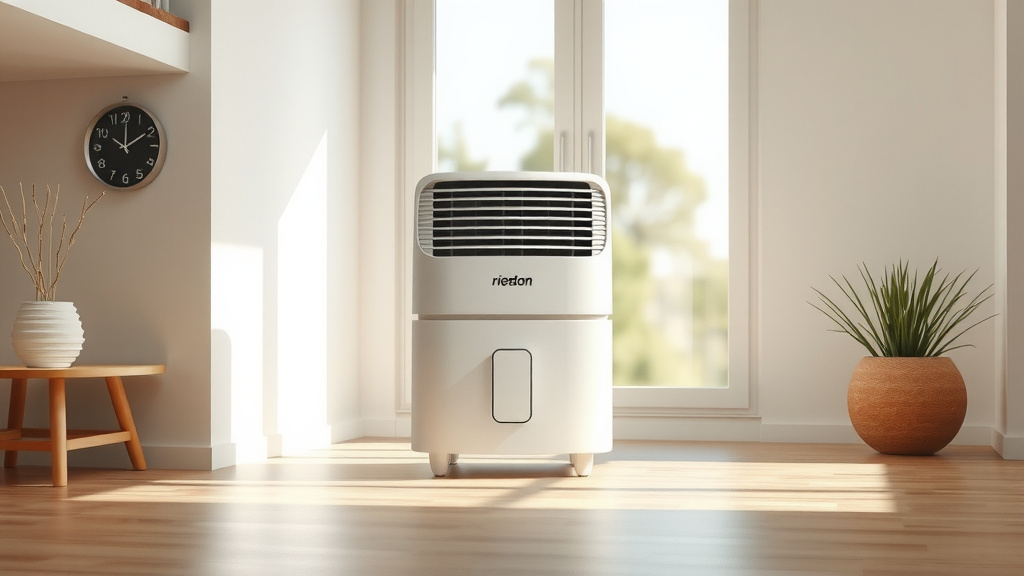
Yes, a dehumidifier typically makes the room slightly warmer.
This warming effect happens because the energy used to remove moisture from the air gets released as heat into your space.
- A dehumidifier does add a small amount of heat to a room, often raising the temperature by 3 to 5 degrees Fahrenheit.
- This warming is a natural byproduct of the refrigeration process used to extract water vapor from the air.
- You might feel the room is warmer because drier air can make a space feel more comfortable, even with a slight temperature increase.
- Its main job is to lower humidity, which often outweighs the minor warming effect for comfort and health.
- Consider ventilation or combining it with AC if the warmth becomes an issue for you.
Does a Dehumidifier Make It Warmer?
You might wonder if running a dehumidifier turns your cool space into a sauna. The quick answer is yes, it can add a bit of warmth. This happens due to the way these machines actually work to pull moisture from your air.
Understanding How Dehumidifiers Work
Think of your dehumidifier like a small refrigerator. It pulls in humid air over cold coils. The moisture then condenses into water droplets, which collect in a bucket. The now drier, but slightly warmer, air then gets blown back into your room (NIH).
The Science Behind the Warmth
Energy isn’t lost, it just changes form. The electricity a dehumidifier uses to run its fan and compressor creates heat. This heat then disperses into your room. It’s a bit like plugging in any appliance; a small amount of heat is always a byproduct.
Why Your Room Might Feel Warmer
Many people find that a room with lower humidity feels more comfortable. Drier air helps sweat evaporate from your skin more easily. This can make you feel cooler, even if the actual temperature has risen slightly. It’s a play between actual temperature and perceived comfort.
The Energy Conversion Process
The dehumidification process involves a phase change for water. When water vapor turns into liquid, it releases latent heat. This energy, combined with the heat from the motor, warms the air. We found that this is a core principle of how refrigeration cycles work.
How Much Warmer Does It Get?
Typically, a dehumidifier can raise the room temperature by about 3 to 5 degrees Fahrenheit. This isn’t a massive increase, but it’s often noticeable. The exact rise depends on the room size and the model of your unit.
Factors Affecting Temperature Increase
- Room Size: Smaller rooms will likely experience a more noticeable temperature increase.
- Dehumidifier Size: Larger, more powerful units generate more heat.
- Ambient Humidity: The harder your unit works, the more heat it creates.
- Insulation: A well-insulated room holds onto heat more readily.
The Benefits Outweigh the Slight Warmth
Even with a little extra warmth, the benefits of lower humidity are often much greater. Reduced moisture can prevent mold growth, protect your home, and improve air quality. These health and structural benefits are quite important (CDC).
Healthier Air Quality for You
Excess humidity can trigger asthma and allergy symptoms. It creates a breeding ground for dust mites and mold spores. A dehumidifier helps keep these nasty elements at bay, offering you a breath of fresh air.
Protecting Your Home and Belongings
High moisture levels can damage furniture, electronics, and even your home’s structure. Think about warped wood or peeling paint. A dehumidifier acts as a shield against these expensive problems, we found.
Managing the Added Warmth in Your Home
If you find the extra warmth uncomfortable, you have options. You don’t have to choose between dry air and a cool room. There are simple ways to balance your comfort needs.
Consider these simple tips for a more comfortable environment:
- Place your dehumidifier in areas that need it most, like a damp basement.
- Use it during cooler parts of the day or night if possible.
- Ensure good air circulation in the room.
- Combine its use with a ceiling fan to distribute air evenly.
- If you have central air conditioning, the AC unit helps cool and dehumidify simultaneously.
Combining with Air Conditioning
An air conditioner cools and removes humidity at the same time. If you run both, your AC will counteract the warming effect of the dehumidifier. This creates a comfortable, dry, and cool environment. Many experts say this is a great approach for peak comfort.
When to Prioritize Dehumidification
There are times when getting rid of humidity is the absolute priority, regardless of a minor temperature bump. These situations often involve health concerns or potential property damage.
| Scenario | Why Dehumidify? | Potential Warming? |
|---|---|---|
| Damp Basements | Prevents mold, mildew, musty odors | Slight, but acceptable |
| Allergy/Asthma Sufferers | Reduces dust mites, mold spores | Minor, worth the relief |
| Flood/Water Damage | Speeds drying, prevents structural issues | Yes, but crucial for recovery |
| Humid Climates | Maintains overall comfort, protects goods | Often offset by AC use |
This table shows that the benefits of a dry home often outweigh the minor warming. Think of it as a necessary trade-off for a healthier space.
Conclusion
So, does a dehumidifier make it warmer? Yes, it adds a small amount of heat to your room as it works. This is a natural part of its operation. However, the comfort and health benefits of lower humidity usually far surpass this minor warming. You gain a healthier living space and protect your home from moisture damage. If the added warmth is a concern, simple strategies like using a fan or your air conditioning can easily balance things out for you. Your comfort and health are worth this small consideration.
Does a dehumidifier use a lot of electricity?
A dehumidifier can use a fair amount of electricity, similar to a medium-sized air conditioner. The exact consumption depends on its size, efficiency, and how hard it has to work. Choosing an Energy Star certified model can help you keep costs lower.
Can a dehumidifier replace an air conditioner for cooling?
No, a dehumidifier cannot replace an air conditioner for cooling. While it makes the air feel drier and therefore potentially more comfortable, it actually adds a small amount of heat to the room. An air conditioner is designed to actively cool the air.
Is it okay to run a dehumidifier 24/7?
Running a dehumidifier 24/7 is generally fine, especially in very humid environments or after a flood. Most modern units are designed for continuous operation. However, consider if constant use is truly necessary once desired humidity levels are reached to save energy.
What is the ideal humidity level for a home?
Many experts say the ideal indoor humidity level for comfort and health is between 30% and 50% relative humidity. Keeping it within this range helps prevent mold growth, dust mites, and makes your home feel more comfortable. Too low, and the air feels dry; too high, and it feels damp.
Can a dehumidifier help with allergies?
Yes, a dehumidifier can help with allergies by reducing allergens like dust mites and mold. These common triggers thrive in high humidity. By keeping your home’s humidity within the ideal range, you create an environment less welcoming to these pests, which can significantly lessen allergy symptoms (Mayo Clinic).
