
Does a Dehumidifier Work in Cold Weather?
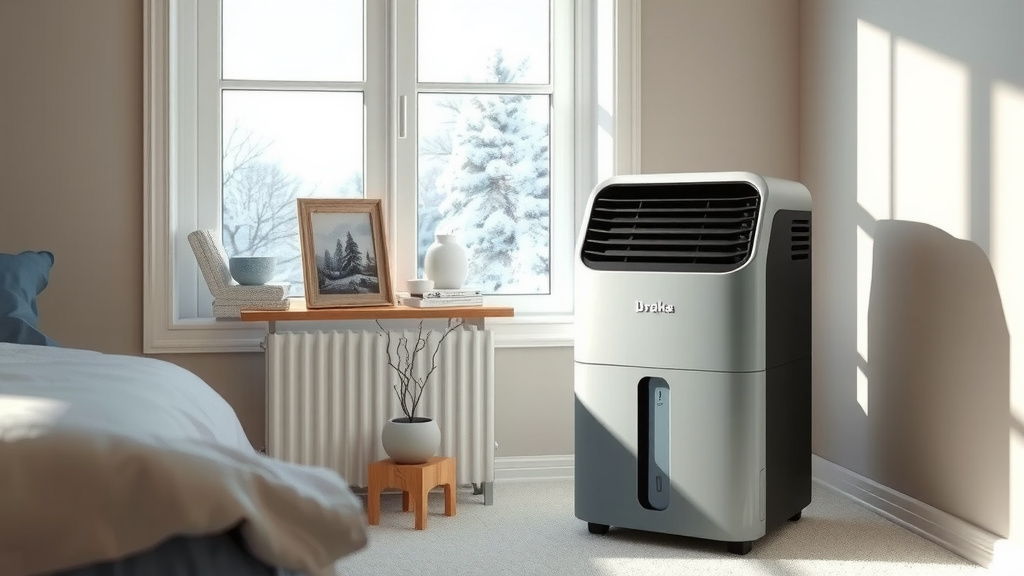
Yes, a dehumidifier can work in cold weather, but its effectiveness largely depends on the type of dehumidifier you use and the specific temperature conditions. Standard compressor dehumidifiers often struggle in cooler environments, while desiccant models are designed to operate efficiently even at low temperatures.
Maintaining proper humidity levels is crucial year-round, even when it’s chilly outside, to prevent issues like condensation, mold growth, and poor indoor air quality in your home. Choosing the right cold-weather dehumidifier ensures your living space remains comfortable and healthy, no matter the season.
TL;DR: Here’s the quick scoop on dehumidifiers in cold weather:
- Standard compressor dehumidifiers often stop working well below 65°F (18°C).
- Desiccant dehumidifiers are your best bet for cold environments, working down to freezing.
- Even in winter, high indoor humidity can cause mold, mildew, and unhealthy air.
- Look for models with auto-defrost or those specifically designed for low temperatures.
- Proper sizing and placement are key for efficient operation in any climate.
Does a Dehumidifier Work in Cold Weather?
The short answer is yes, but not all dehumidifiers are created equal when battling cold. Most common dehumidifiers, known as compressor models, face real challenges as temperatures drop.
The Cold Truth About Compressor Dehumidifiers
You probably own a compressor dehumidifier if you have one. These popular units work by drawing in humid air over a cold coil, condensing the moisture into water droplets. It’s like a mini-refrigerator. But what happens to a refrigerator in freezing conditions?
Why Cold Stops Compressor Dehumidifiers
When the ambient temperature drops, the cold coil inside a compressor dehumidifier can get too cold. This causes frost to build up on the coil. Frost acts as an insulator, blocking airflow and making the unit work harder without actually removing much moisture. We found that most compressor models lose significant efficiency below 65°F (18°C) and can practically stop working around 45°F (7°C).
Desiccant Dehumidifiers: Your Cold-Weather Ally
So, if compressor models struggle, what’s the solution for chilly spaces? Meet the desiccant dehumidifier. These units operate on a completely different principle, making them champions in colder temperatures.
How Desiccant Dehumidifiers Beat the Chill
Instead of a cold coil, desiccant dehumidifiers use a special material, often silica gel, that absorbs moisture directly from the air. Think of it like a giant bag of those tiny “do not eat” packets you find in new shoes or electronics. This absorbent material then gets heated to release the trapped moisture, which is then collected. Because they don’t rely on condensation on a cold surface, they are much less affected by low temperatures. Many experts say desiccant models work effectively down to 33°F (1°C) or even slightly below (NIH).
Why You Need Dehumidification in Cold Weather
You might wonder, “Why even worry about humidity when it’s cold?” That’s a great question! While cold air holds less moisture, the real issue often comes from inside your home.
Indoor Humidity Sources in Winter
Even with windows closed, your home produces a lot of moisture. Cooking, showering, doing laundry, and even breathing all add humidity to the air. This moisture gets trapped indoors, especially in well-sealed homes built for energy efficiency. This trapped humidity needs somewhere to go.
The Perils of High Indoor Humidity in Winter
When warm, humid indoor air meets cold surfaces like windows, exterior walls, or uninsulated pipes, it condenses. This is the same reason your bathroom mirror fogs up after a hot shower. Persistent condensation creates a perfect breeding ground for mold and mildew. Many guidelines point to mold growth and poor indoor air quality as significant health concerns (CDC).
Choosing the Right Dehumidifier for Cold Climates
Now that you know the difference, how do you pick? Consider the lowest temperature of the space you need to dehumidify.
| Feature | Compressor Dehumidifier | Desiccant Dehumidifier |
|---|---|---|
| Operating Temp Range | Best above 65°F (18°C), struggles below 45°F (7°C) | Effective down to 33°F (1°C) or lower |
| Principle of Operation | Condensation on a cold coil | Absorption by desiccant material |
| Energy Consumption | Generally more energy-efficient in warmer temps | Often uses more energy due to heating element |
| Noise Level | Can be louder due to compressor fan | Generally quieter operation |
| Maintenance | Coil cleaning, filter changes | Filter changes, desiccant wheel may need servicing (rarely for home units) |
| Typical Use | Warm basements, living areas, summer use | Cold basements, garages, boats, RVs, winter use |
Tips for Using Your Dehumidifier in Cold Weather
Even with the right type, a few adjustments can optimize your dehumidifier’s performance when it’s cold.
Placement Matters a Lot
Position your dehumidifier in the center of the room if possible. Avoid placing it directly against a wall or in a corner, which can restrict airflow. Make sure there’s plenty of space around the unit for air to circulate freely.
Keep Doors and Windows Closed
This might seem obvious, but it’s worth repeating. Your dehumidifier is working to dry the air inside your space. If doors or windows are open, you’re trying to dry the outside air too, making the unit less effective and wasting energy.
Consider a Dedicated Cold-Weather Model
Some compressor dehumidifiers are marketed as “low temperature” models. These often include an auto-defrost feature that temporarily stops the compressor and runs the fan to melt frost buildup. While better than standard models, they still won’t perform as well as a desiccant unit in truly cold environments (below 40°F/4°C).
Recognizing When Humidity is Too High
How do you know if you even need a dehumidifier in the cold? Look for these tell-tale signs.
- Condensation on windows: Water droplets on the inside of your windows are a clear sign of excess humidity.
- Musty odors: A damp or earthy smell, especially in basements or closets, often indicates mold or mildew.
- Cold spots: Areas that feel unusually cold and clammy, even if the heater is on.
- Allergy flare-ups: Dust mites and mold thrive in humid conditions, worsening allergy symptoms.
- Peeling paint or wallpaper: High moisture can cause finishes to deteriorate.
Maintaining Your Dehumidifier for Winter Readiness
Just like your furnace, your dehumidifier needs a little care to work its best.
Filter Cleaning is Key
A dirty filter restricts airflow, forcing the unit to work harder and reducing efficiency. Clean or replace your filter regularly, especially before and during periods of cold weather use. This simple step can significantly extend its lifespan.
Emptying the Water Tank
If you’re not using a continuous drain, make sure to empty the water tank frequently. A full tank will cause the unit to shut off. In cold conditions, you might be surprised how quickly it fills, even if you don’t feel the humidity.
Checklist for Cold Weather Dehumidifier Use:
- Choose a desiccant model for temperatures below 45°F (7°C).
- Ensure the unit has good airflow around it.
- Keep doors and windows sealed in the target area.
- Regularly clean or replace the air filter.
- Monitor the water tank and drain it promptly.
- Consider adding insulation to cold surfaces causing condensation.
Conclusion
Don’t let the colder months trick you into thinking your home is safe from humidity issues. A dehumidifier can absolutely work in cold weather, but the key is choosing the right type for your specific needs. For consistently chilly spaces like basements, garages, or workshops, a desiccant dehumidifier is the reliable choice. For warmer indoor living areas, a compressor model with auto-defrost might suffice. By understanding the differences and following a few simple tips, you can maintain healthy indoor air quality and protect your home from moisture damage, no matter how low the thermometer drops. Your comfort and your home will thank you.
Can I use a regular dehumidifier in an unheated garage during winter?
Using a regular compressor dehumidifier in an unheated garage during winter is generally not recommended. Compressor models become inefficient and prone to coil icing in temperatures below 45°F (7°C), which is common in unheated spaces. A desiccant dehumidifier would be a much more effective and reliable choice for such an environment.
What is the ideal humidity level to maintain in my home during cold weather?
Many building science experts suggest maintaining an indoor relative humidity level between 30% and 50% during cold weather. This range helps prevent condensation on windows and other cold surfaces, reduces the risk of mold growth, and creates a comfortable living environment (Mayo Clinic).
Do all dehumidifiers have an auto-defrost feature?
No, not all dehumidifiers have an auto-defrost feature. This function is typically found in some compressor models specifically designed to operate in lower temperatures. Desiccant dehumidifiers do not require an auto-defrost feature because they do not use a cold coil to condense moisture.
Will running a dehumidifier make my cold room even colder?
A dehumidifier generally won’t make your cold room significantly colder. Compressor dehumidifiers produce a small amount of heat as a byproduct of their operation, which might slightly raise the room temperature. Desiccant dehumidifiers use a heating element to regenerate their absorbent material, so they will actually add some warmth to the room, which can be a small bonus in a cold space.
How often should I run my dehumidifier in a cold basement?
The frequency depends on the basement’s humidity levels. In a cold basement with persistent moisture issues, you might need to run a desiccant dehumidifier continuously or for several hours a day, especially after heavy rains or snowmelt. Monitor your humidity with a hygrometer, and adjust run times to keep it within the ideal 30-50% range.
