
Does a Fan Work as a Dehumidifier?
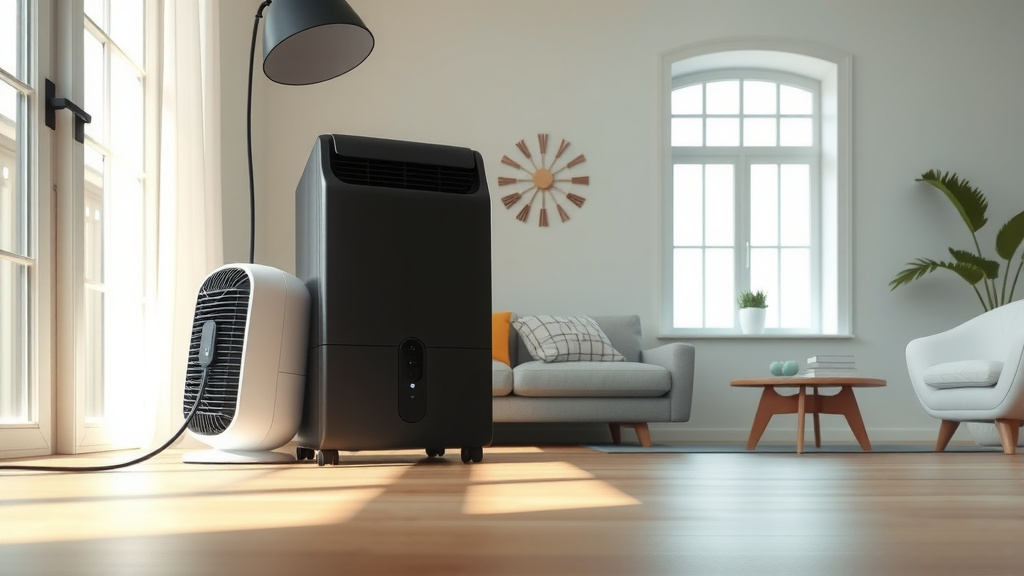
No, a fan does not work as a dehumidifier in the true sense.
While a fan can move humid air, it cannot remove moisture from the air or lower its humidity levels effectively, unlike a dedicated dehumidifier.
Here’s a quick overview of why relying on a fan for dehumidification isn’t the solution:
- A fan circulates air; a dehumidifier actively pulls moisture from it.
- Fans make you feel cooler by increasing evaporation from your skin, not by drying the air.
- Dehumidifiers use a cooling coil to condense water vapor into liquid, collecting it.
- For real moisture problems like mold or musty smells, a fan simply won’t cut it.
- Choosing the right tool for the job means understanding how each appliance functions.
Does a Fan Work as a Dehumidifier?
In short, no. A fan simply moves air around your space. It doesn’t possess the mechanism to extract water vapor from the atmosphere. Many people wonder if the breeze can dry out a room, but it’s a common misconception about how these devices work.
What Does a Fan Actually Do?
Imagine a hot day. You turn on a fan, and suddenly you feel cooler, right? That feeling is due to increased airflow over your skin. The moving air helps your sweat evaporate faster, which in turn cools your body. It’s a personal comfort solution, not a room dehumidifier.
Air Movement, Not Moisture Removal
A fan’s core function is creating air currents. It pushes existing air from one spot to another. It stirs the air, preventing it from feeling stagnant. However, this movement doesn’t change the amount of water vapor suspended in the air. The humidity level remains the same, even if you feel a temporary relief.
How a Dehumidifier Truly Works
A dehumidifier operates on a completely different principle. It’s designed specifically to reduce the moisture content in the air. These clever machines draw in humid air, process it, and then release drier air back into your room. It’s a targeted solution for a specific problem.
The Science of Condensation
Think of a cold glass of water on a warm, muggy day. Water droplets form on the outside, right? That’s condensation. A dehumidifier works similarly. It pulls humid air over chilled coils inside the unit. The moisture in the air cools rapidly, condenses into liquid water, and then drips into a collection bucket. Many experts explain this process as the core of effective dehumidification (EPA).
Why Fans Fall Short for Humidity
You might think that if a fan makes sweat evaporate, it must be drying the air. But this isn’t true for the overall humidity of the room. A fan can circulate air, which might dry a wet spot faster, but it’s not removing moisture from the entire atmosphere. It’s a bit like pushing water around with your hand instead of scooping it out.
Evaporation vs. Dehumidification
Evaporation is the process where liquid turns into gas. A fan speeds up evaporation from surfaces or your skin. However, that evaporated water then becomes part of the air’s humidity. So, while it helps a wet floor dry quickly, it adds that moisture to the air, not removes it. Dehumidification actually extracts water from the air, collecting it for disposal.
When Can a Fan Be Helpful?
Even though a fan isn’t a dehumidifier, it still has its place. It can be a great companion for better air circulation and personal comfort. Knowing its limitations helps you use it effectively. For instance, sometimes a little airflow is all you need for specific tasks, but don’t mistake it for moisture control.
Drying Clothes Indoors
If you hang clothes to dry indoors, a fan can certainly help. The moving air helps the water evaporate from the fabric more quickly. This speedier drying can also help prevent clothes from developing a musty smell. Just remember, this moisture goes into your room’s air, potentially increasing overall humidity.
Feeling Cooler, Not Being Cooler
Fans create a wind-chill effect. You feel cooler because your skin is more efficient at cooling itself. Your core body temperature, and the actual air temperature of the room, doesn’t change much. This personal comfort is a major benefit of fans, especially on hot days when you want a gentle breeze.
The Dangers of High Humidity
Ignoring high humidity can lead to a host of problems for your home and your health. It’s not just about feeling sticky; there are more serious consequences. We found that excess moisture creates ideal conditions for various unwanted guests and issues. Understanding these risks highlights the need for proper dehumidification.
Health Risks and Home Damage
High humidity is a breeding ground for mold and mildew. Mold spores can trigger allergies, asthma, and other respiratory issues (CDC). Beyond health concerns, persistent moisture can damage your home’s structure. It can lead to wood rot, peeling paint, warped floors, and a general musty odor that’s hard to get rid of. Many guidelines point to maintaining indoor humidity between 30% and 50% to prevent these problems (Mayo Clinic).
Here’s a quick comparison to help you choose:
| Feature | Fan | Dehumidifier |
|---|---|---|
| Primary Function | Air circulation, personal comfort | Moisture removal from air |
| Impact on Humidity | No change (or slight increase via evaporation) | Actively lowers humidity levels |
| How it Works | Moves air with blades | Condenses water vapor on cold coils |
| Cost & Energy | Generally lower | Higher (but effective) |
| Best Use Case | Hot days, aiding drying, general airflow | Controlling mold, musty odors, damp basements |
Choosing the Right Solution
Making the right choice depends entirely on your problem. Do you just need to feel a bit cooler, or do you have real moisture issues? Once you identify the root cause, the decision becomes much simpler. It’s all about matching the tool to the task for the best outcome.
When to Use a Dehumidifier
If you notice any of these signs, it’s time to consider a dehumidifier:
- Persistent Musty Odors: A tell-tale sign of mold or mildew growth.
- Condensation on Windows: Excessive moisture collects on cool surfaces.
- Allergy or Asthma Flare-ups: High humidity often worsens these conditions.
- Damp or Sticky Air: You can physically feel the heavy moisture.
- Water Stains on Walls/Ceilings: Indicates water damage or high humidity spots.
- Peeling Paint or Wallpaper: Moisture often causes these aesthetic issues.
Conclusion
While a fan can offer immediate personal comfort by moving air and promoting evaporation from your skin, it simply cannot remove humidity from a room. For true moisture control and to protect your home and health from the issues caused by high humidity, a dedicated dehumidifier is the correct and most effective solution. Understanding the difference between these two appliances ensures you’re applying the right tool for your specific needs.
How do I know if my house has high humidity?
You can often tell if your house has high humidity by noticing condensation on windows, a persistent musty smell, dampness in certain areas like basements, or even a generally sticky feeling on your skin. For a precise measurement, a hygrometer can tell you the exact humidity level in your home.
Can I use a fan and a dehumidifier together?
Yes, you absolutely can use them together. A fan can help circulate the air more effectively, which allows the dehumidifier to draw in and process humid air from a larger area more quickly. This combination can improve the overall efficiency of your dehumidification efforts, especially in larger rooms or those with poor airflow.
Is high humidity dangerous for my health?
Yes, prolonged exposure to high indoor humidity can be detrimental to your health. It creates an ideal environment for mold, mildew, and dust mites to thrive. These allergens can trigger or worsen respiratory issues like asthma and allergies, leading to coughing, sneezing, skin irritation, and breathing difficulties for sensitive individuals (NIH).
What is the ideal indoor humidity level?
Many experts and health organizations recommend maintaining an indoor humidity level between 30% and 50%. This range is generally considered comfortable and healthy. It’s low enough to prevent mold and dust mite growth but high enough to prevent your skin and nasal passages from drying out too much. Consistency within this range is key.
Does opening windows help with high humidity?
Opening windows can sometimes help with high humidity, but it depends on the outdoor conditions. If the air outside is drier than inside, opening windows will help exchange the humid indoor air for drier outdoor air. However, if it’s humid or raining outside, opening windows will actually bring more moisture into your home, making the problem worse.
