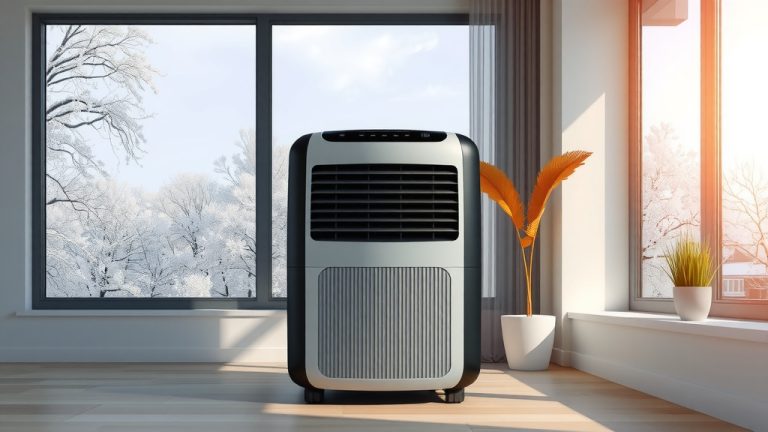
Are Air Purifier and Dehumidifier the Same?
No, an air purifier and a dehumidifier are not the same, as they tackle different aspects of indoor air quality. An air purifier focuses on cleaning the air by removing particles, while a dehumidifier specifically reduces excess moisture.
You can think of an air purifier as a filter for airborne contaminants and a dehumidifier as a moisture manager for your home environment.
- Air purifiers clean the air by removing pollutants like dust, pet dander, and pollen.
- Dehumidifiers reduce humidity levels, which helps prevent mold, mildew, and musty odors.
- They perform distinct functions, even though both aim to improve your home’s comfort.
- While some units combine both functions, they are fundamentally different technologies.
- Your choice depends on whether your primary concern is dirty air or excessive moisture.
Are Air Purifier and Dehumidifier the Same?
No, these two household appliances serve entirely different purposes for your indoor environment. While both aim for better living conditions, their methods and targets are unique.
One cleans the air you breathe, and the other manages the moisture within that air. Understanding their differences is key to making the best choice for your home.
What Does an Air Purifier Do?
An air purifier acts like a silent bodyguard for your lungs. Its main job is to filter and clean the air circulating in your room or home. It actively pulls in air, traps pollutants, and releases cleaner air back out.
You’ll find these devices working hard to improve the quality of the air you breathe every day. They are especially helpful for those with allergies or respiratory sensitivities.
Targeting Airborne Nasties
Think about all the things floating around your home. Dust, pollen, pet dander, smoke particles, and even tiny mold spores are often present. An air purifier’s mission is to capture these microscopic invaders.
This process helps to reduce the allergens and irritants in your indoor space. Many experts agree that cleaner air can significantly impact your overall well-being (American Lung Association).
The Air Purifier Filtration Process
Most air purifiers use a fan to draw in air and then push it through a series of filters. The most common and effective is the HEPA filter, which can capture particles as tiny as 0.3 microns.
Some models also include activated carbon filters to absorb odors and chemicals. This multi-stage filtration ensures a more thorough cleaning of your air.
What Does a Dehumidifier Do?
A dehumidifier is your home’s personal humidity manager. Its primary function is to remove excess moisture from the air. This helps create a more comfortable and healthier living space.
You’ll often find them used in basements, bathrooms, or other areas prone to dampness. They are essential for controlling moisture-related problems in your home.
Tackling Excess Moisture
Imagine a humid summer day when the air feels thick and sticky. That’s excess moisture at work. A dehumidifier combats this feeling by pulling water out of the air, making your home feel cooler and drier.
This is particularly important for preventing a host of issues. High humidity can be a real nuisance, affecting both your comfort and your home’s structure.
The Dehumidifier’s Moisture Removal Method
Dehumidifiers operate by drawing in warm, moist air over a cold coil. The moisture in the air condenses into water droplets, which then drip into a collection bucket. The now-dry air is released back into the room.
Research consistently shows that keeping indoor humidity between 30% and 50% is ideal (EPA). This range helps to inhibit mold and dust mite growth, which thrive in damp conditions.
Key Differences: Air Purifier vs. Dehumidifier
To truly see the distinction, let’s look at their core functions side-by-side. You’ll quickly notice they address different environmental challenges within your home.
Understanding these specific roles helps you decide which device, or combination, is best suited for your needs. Both improve air quality, but in very distinct ways.
| Feature | Air Purifier | Dehumidifier |
|---|---|---|
| Primary Goal | Clean airborne particles | Remove excess moisture |
| What it Removes | Dust, pollen, dander, smoke, odors | Water vapor from the air |
| Main Benefit | Better breathing, allergy relief | Prevents mold, mildew, musty smells |
| Mechanism | Filters (HEPA, carbon) | Condensation (cold coil) |
| Output | Cleaned air | Drier air, collected water |
When Do You Need an Air Purifier?
You might need an air purifier if you notice dust accumulating quickly, or if family members suffer from seasonal allergies. It’s about proactively addressing the air quality in your living space.
Many experts recommend them for urban dwellers or those living near construction. They can make a noticeable difference in your daily comfort and health.
Common Air Quality Concerns
Consider if you have pets that shed dander, or if you frequently encounter dust and pet hair. Smoke from cooking or fireplaces can also degrade air quality. An air purifier helps to clear these irritants away.
Do you notice a lingering stale smell, even after cleaning? This could be another sign that an air purifier would be beneficial. It helps to keep your home feeling fresh and clean.
Health Benefits of Cleaner Air
Breathing cleaner air can lead to fewer allergy symptoms, such as sneezing and itchy eyes. It can also be beneficial for individuals with asthma or other respiratory issues.
We found that many people report better sleep and a general sense of relief when using air purifiers (National Institutes of Health). Your body thanks you for providing cleaner oxygen.
When Do You Need a Dehumidifier?
If your home feels perpetually damp, especially in certain rooms, a dehumidifier is likely what you need. Think about those sticky summer days or a persistently musty basement. It’s about managing moisture levels.
Keeping humidity under control is a practical solution to protect your home and your health. It’s a preventative measure against several common household issues.
Signs of High Humidity
Have you seen condensation on your windows or cold pipes? Do clothes take forever to dry indoors? These are classic indicators of excessive indoor humidity. A musty smell is also a dead giveaway.
Peeling paint, warped wood floors, or even visible mold spots are serious signs that you need to act. These issues point to a humidity problem that a dehumidifier can solve.
Protecting Your Home and Health
Excess humidity can damage furniture, electronics, and structural elements of your home. More importantly, it creates an ideal environment for mold and dust mites to thrive.
Many guidelines point to humidity control as a good first step for allergy sufferers (Mayo Clinic). Reducing these triggers can significantly improve your indoor living experience.
Can You Use Both an Air Purifier and a Dehumidifier?
Absolutely, you can use both! In many homes, especially those with both allergy sufferers and humidity issues, using both devices offers the most comprehensive solution. They complement each other perfectly.
Think of it as a dynamic duo, each tackling its specific problem to create an optimal indoor environment. You don’t have to choose one over the other if both problems exist.
Benefits of Dual Devices
When you combine them, you’re not just getting cleaner air or drier air; you’re getting both. This means you’re reducing allergens and irritants while also preventing mold and mildew growth. It’s a holistic approach to air quality.
Your home will feel fresher, smell better, and be healthier. Many people find this combination leads to a noticeable improvement in comfort and well-being.
Choosing Combination Units
Some manufacturers offer units that combine both air purification and dehumidification into a single device. These can be convenient for smaller spaces or if you prefer a single appliance solution.
However, we found that dedicated units often perform their specific tasks more powerfully. Consider your specific needs and room size before investing in a combo unit. Sometimes, two specialized tools are better.
Making the Right Choice for Your Home
Deciding which device you need starts with understanding your home’s unique environment. Take a moment to observe and identify your primary indoor air concerns. What problems are you trying to solve?
Here’s a quick checklist to help you identify your needs:
- Do you see dust accumulating quickly on surfaces?
- Are family members experiencing allergy symptoms indoors?
- Do you notice persistent musty odors in certain rooms?
- Is there condensation on windows or cold surfaces?
- Do you live in a climate known for high humidity?
- Are you looking to prevent mold and mildew growth?
If your answer is “yes” to the first two, an air purifier is likely a good fit. If your “yes” answers fall more into the latter categories, a dehumidifier should be on your radar. For both, consider using them together.
Conclusion
Air purifiers and dehumidifiers are not the same, but they are both powerful tools for improving your home environment. An air purifier cleans the air of particles, while a dehumidifier extracts excess moisture.
You now know the key differences and when each device is most effective. By identifying your specific needs, you can choose the right appliance, or even both, to create a healthier and more comfortable home for you and your family.
FAQs About Air Purifiers and Dehumidifiers
Can an air purifier lower humidity?
No, an air purifier does not reduce humidity levels. Its function is solely to filter airborne particles like dust, pollen, and pet dander. It won’t remove water vapor from the air.
Will a dehumidifier clean the air?
While a dehumidifier helps reduce mold and dust mites by lowering humidity, it does not actively filter airborne particles like an air purifier does. It primarily manages moisture, not air cleanliness.
Which is better for allergies, an air purifier or a dehumidifier?
For allergies, an air purifier is generally better as it directly removes allergens like pollen, dust, and pet dander from the air. However, a dehumidifier can help by preventing mold and dust mites, which are also common allergens. Often, using both offers the most comprehensive allergy relief.
Where should I place an air purifier and a dehumidifier in my home?
Place an air purifier in the room where you spend the most time, or where allergens are most concentrated, such as a bedroom or living room. A dehumidifier is best placed in damp areas like basements, bathrooms, or laundry rooms, away from walls to allow for proper airflow.
Do air purifiers and dehumidifiers use a lot of electricity?
The energy consumption varies significantly by model and size. Generally, a dehumidifier tends to use more electricity than an air purifier because it has to actively condense water. Look for Energy Star certified models to ensure better energy efficiency for either device.