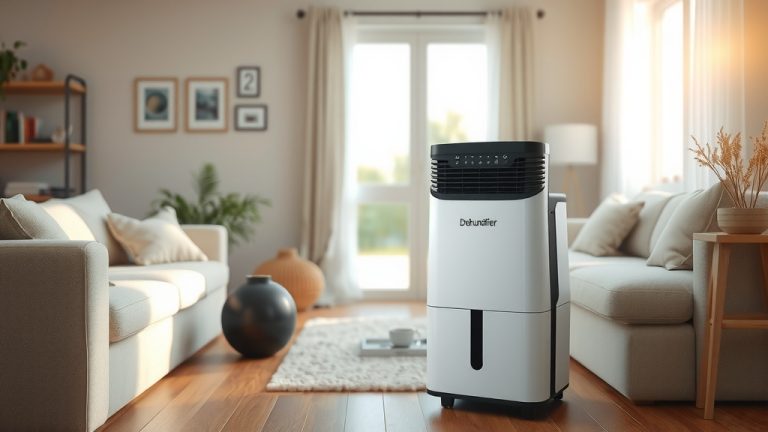
Are All Dehumidifiers the Same?
No, not all dehumidifiers are the same; they vary significantly in type, capacity, and features to suit different needs and environments.
Choosing the right dehumidifier involves understanding your specific humidity problems and selecting a model designed to effectively tackle moisture in your space.
Here’s a quick overview of what you’ll learn about dehumidifiers:
- Dehumidifiers come in many types, each suited for different conditions.
- Their capacity, features, and energy use can vary widely.
- Your room size and how damp it feels are key factors for choosing.
- Desiccant models often work best in cold areas, while compressor models prefer warmer spots.
- Modern dehumidifiers offer smart features for added convenience and savings.
Are All Dehumidifiers the Same?
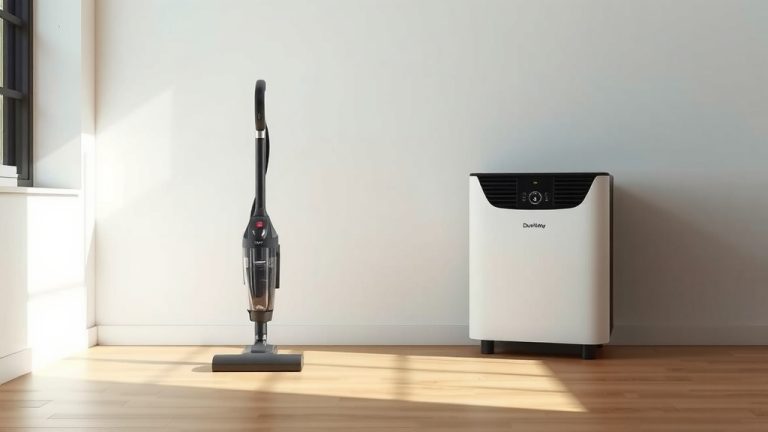
Simply put, no, they are not. Just like cars come in sedans, trucks, and SUVs, dehumidifiers have different designs for different jobs. You wouldn’t use a tiny car to haul furniture, right? The same goes for choosing the right dehumidifier for your home.
Understanding the Core Function
At their heart, all dehumidifiers do one thing: they remove excess moisture from the air. Think of it like a sponge for your home’s atmosphere. This process helps keep your living spaces comfortable and healthy.
Why Does Humidity Matter?
Too much humidity can feel sticky and make your home smell musty. It can also encourage mold growth, which is bad news for both your home and your health (Mayo Clinic). Controlling humidity helps you breathe easier and protects your property.
Different Types of Dehumidifiers
When you start looking, you’ll find several main types. Each one has its own strengths and is designed for specific situations. Knowing these differences helps you pick the best fit for your home.
Compressor Dehumidifiers: The Workhorse
These are the most common type you’ll see. They work a lot like your refrigerator, pulling in warm, moist air over a cold coil. The moisture then condenses into water, which drips into a collection bucket. They are very effective in warm, humid environments.
Desiccant Dehumidifiers: For Colder Spots
If you live in a colder climate or need to dry out a chilly basement, a desiccant dehumidifier might be your friend. They use a special material that absorbs moisture from the air, then heat it to release the water into a tank. They perform well even in low temperatures.
Whole-House Dehumidifiers: Integrated Solutions
For larger homes or persistent humidity issues, a whole-house unit is a powerful option. These often connect directly to your HVAC system. They work to maintain a consistent humidity level throughout your entire home. Many experts say this provides a more balanced environment (EPA).
Thermo-Electric (Peltier) Dehumidifiers: Small Scale
You might see these small, quiet units for closets, RVs, or small bathrooms. They use a Peltier module to create a cold surface, causing moisture to condense. While very quiet and compact, they have limited moisture removal capacity and are best for tiny spaces.
Capacity is King: Sizing Your Dehumidifier
This is where many people get confused. You can’t just buy any dehumidifier. Its capacity, measured in “pints,” tells you how much moisture it can remove in 24 hours. Matching this to your space is super important.
How to Measure Dehumidifier Capacity
The pint rating refers to how many pints of water the unit can extract from the air daily. A 30-pint unit is very different from a 70-pint unit. We found that buying one too small means it will run constantly and never quite catch up.
Considering Room Size and Dampness
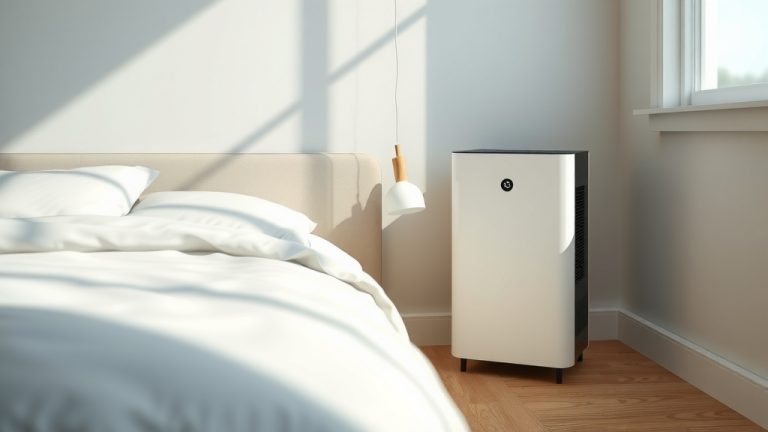
Think about the size of the room and how damp it usually is. Is it slightly damp, moderately damp, or very wet? A small, slightly damp bedroom needs less capacity than a large, very wet basement. Research often connects higher humidity levels with the need for greater capacity (NIH).
Key Features to Look For
Beyond the type and capacity, modern dehumidifiers come with a range of features. These can make your life easier, save you money, and offer better control over your home’s humidity. Let’s look at some.
- Automatic Shut-Off: Turns off when the bucket is full.
- Continuous Drain Option: Connects a hose for constant drainage.
- Built-in Humidistat: Monitors and adjusts humidity levels automatically.
- Low-Temperature Operation: For use in cold basements or garages.
- Washable Air Filter: Keeps the unit running efficiently and cleans the air.
Drainage Options: Manual vs. Continuous
Do you want to empty a bucket every day, or have it drain automatically? Manual drainage means you need to carry a heavy bucket of water. A continuous drain uses a hose to empty water into a floor drain, offering set-it-and-forget-it convenience.
Smart Features and Connectivity
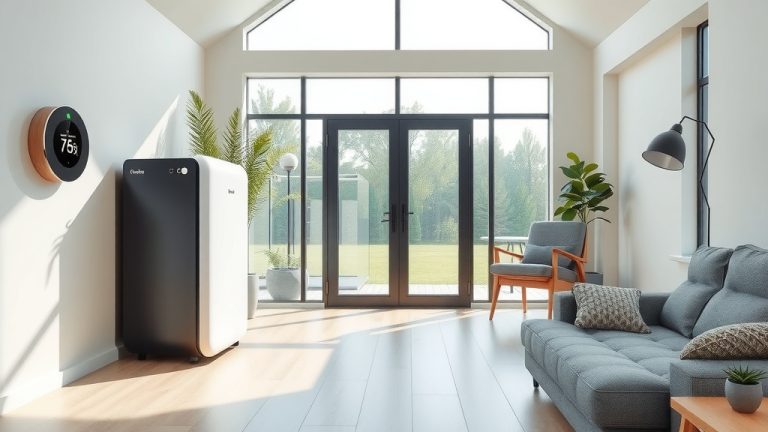
Many newer models offer Wi-Fi connectivity. This lets you control the unit from your phone, even when you’re not home. You can adjust settings, check the bucket status, and monitor humidity levels. It’s a nice perk for busy homeowners.
Energy Efficiency: Saving Pennies
Dehumidifiers use electricity, so energy efficiency matters. Look for Energy Star certified models. These are tested to use less energy, which can save you money on your utility bills over time. It’s a smart long-term investment.
Making the Right Choice: Your Personal Guide
So, how do you decide which one is right for you? It really comes down to your unique situation. Consider your climate, the size of the area you need to dehumidify, and your budget.
| Dehumidifier Type | Best For | Pros | Cons |
|---|---|---|---|
| Compressor | Warm, humid spaces (70°F+), basements, living areas. | Efficient in warm conditions, powerful moisture removal. | Less effective below 65°F, can be noisy. |
| Desiccant | Cold areas (below 65°F), garages, unheated basements. | Works well in low temps, quieter operation. | Less energy efficient in warm conditions, higher running cost. |
| Whole-House | Entire homes, large, persistent humidity issues. | Comprehensive humidity control, discreet installation. | Higher initial cost, professional installation often needed. |
| Thermo-Electric | Very small spaces, closets, RVs. | Extremely quiet, compact, portable. | Very low capacity, not for whole rooms. |
A Quick Checklist for Buying
To help you narrow down your options, here’s a simple checklist:
- What size is the area you need to dehumidify?
- How cold or warm does that area typically get?
- Do you prefer manual bucket emptying or continuous drainage?
- Are smart features or energy efficiency important to you?
- What is your budget for the unit and its running costs?
Conclusion
So, the next time someone asks if all dehumidifiers are the same, you can confidently say no! They are purpose-built machines, each with its own advantages. By understanding the different types, capacities, and features, you can make an informed decision. Choosing the right one means a healthier, more comfortable home for you and your family. Take your time, consider your specific needs, and you’ll find the perfect moisture-fighting partner.
What is the ideal indoor humidity level?
Many experts, including the EPA, suggest keeping indoor humidity between 30% and 50%. This range helps prevent mold growth and dust mites while keeping your home feeling comfortable. Going too far above or below can lead to issues.
Can a dehumidifier help with allergies?
Yes, a dehumidifier can often help. High humidity encourages the growth of common allergens like dust mites and mold. By reducing the moisture in the air, you create an environment less friendly to these triggers, potentially easing allergy symptoms (Cleveland Clinic).
How often should I clean my dehumidifier?
You should clean the water collection bucket at least every few weeks to prevent mold and mildew. If your unit has an air filter, check it monthly and clean or replace it as needed. Regular cleaning helps maintain efficiency and air quality.
Can I use a dehumidifier in a garage during winter?
If your garage gets cold, a desiccant dehumidifier is generally the better choice for winter use. Compressor models become much less effective or may even freeze up in low temperatures. Always check the operating temperature range of your specific unit.
Do dehumidifiers use a lot of electricity?
The electricity usage varies greatly by model, capacity, and how often it runs. Larger units and those running continuously will use more power. Choosing an Energy Star certified model and selecting the right capacity for your space can help minimize energy consumption.