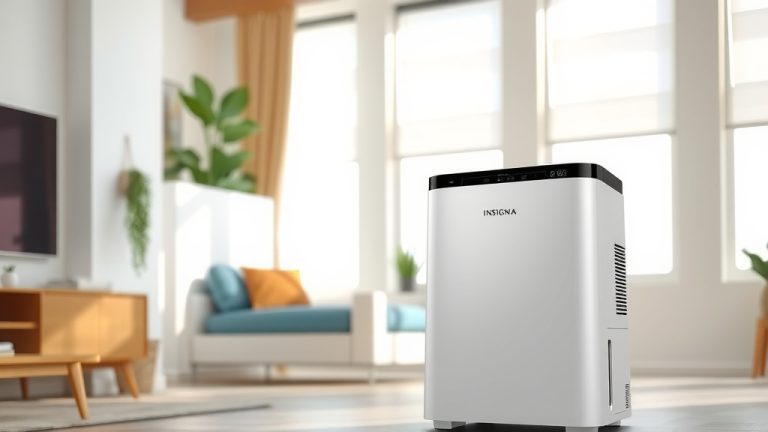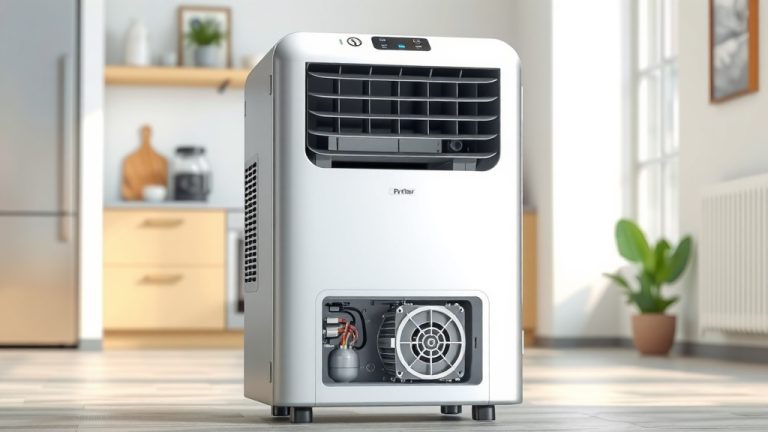
Are Dehumidifiers Fire Hazards?
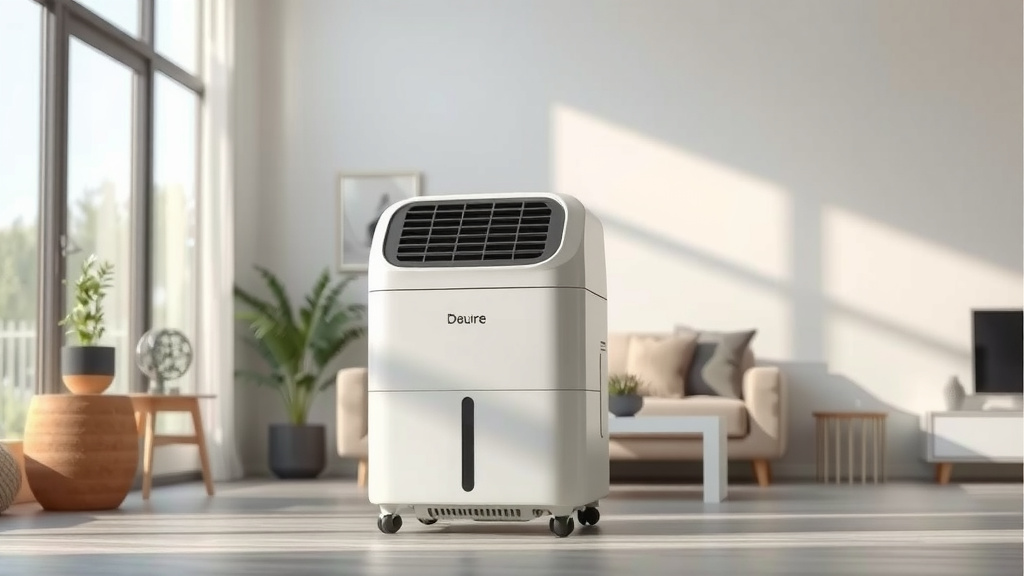
Dehumidifiers can pose a fire risk, but modern units are generally safe when used correctly and maintained properly. The risk usually comes from older, recalled models or units that are neglected.
Most fires linked to dehumidifiers stem from electrical faults, overheating compressors, or clogged filters leading to excessive heat buildup. Regular maintenance and following manufacturer guidelines significantly reduce this danger.
- Most dehumidifiers today are quite safe with proper care.
- Older units, especially those under recall, had a higher fire risk.
- Electrical issues, overheating, or blockages are main causes of fires.
- Always check for safety certifications and maintain your unit diligently.
- Placement and regular cleaning are key prevention steps.
Are Dehumidifiers Fire Hazards?
While the thought of a fire from any appliance is unsettling, dehumidifiers are generally safe. We found that modern units are designed with multiple safety features to protect your home. However, like any electrical device, risks can arise if they are old, faulty, or misused.
Understanding Dehumidifier Fire Risks
What makes a dehumidifier a potential hazard? The core issues often relate to electrical components or mechanical failures. Over time, parts can wear out, leading to problems that generate excessive heat.
The Electrical Side of Things
Dehumidifiers draw a fair amount of power. Think of it like a small refrigerator working constantly. Issues with the motor, wiring, or the compressor can cause electrical shorts or overheating (Consumer Reports).
Why Older Units Are More Risky
You might remember news about large recalls years ago. Many experts say that older dehumidifier models, particularly those made before 2017, were linked to a higher fire incident rate (CPSC). These older designs sometimes had faulty wiring or compressor issues.
Common Causes of Dehumidifier Fires
So, what exactly sparks these incidents? It’s usually a combination of factors. Understanding them helps you prevent problems.
- Electrical Malfunctions: Worn-out wiring, faulty circuits, or bad connections can generate sparks.
- Overheating Compressor: The compressor is the heart of the unit. If it overheats due to a defect or lack of airflow, it becomes a risk.
- Blocked Airflow: Dust, lint, or improper placement can block vents. This traps heat inside the unit.
- Manufacturing Defects: Sometimes, a product just isn’t built right. This is why recalls happen.
- Lack of Maintenance: Neglecting to clean filters allows debris to build up, hindering performance and safety.
How to Minimize Your Dehumidifier’s Fire Risk
You can do a lot to keep your dehumidifier running safely. It’s mostly about common sense and simple care routines. Treat it like you would any other important appliance.
Placement Matters
Where you put your dehumidifier is very important. Always ensure it has plenty of space around it. Keep it away from walls, furniture, or curtains that could block its vents. Think of it needing to “breathe” freely.
Regular Cleaning is Key
Your dehumidifier’s filter can get surprisingly dirty. We found that cleaning or replacing the filter every few weeks is crucial. A clean filter allows for proper airflow, preventing the unit from overworking and overheating.
Watch for Warning Signs
Your dehumidifier often tells you if something is wrong. Do you hear strange noises, like grinding or buzzing? Do you smell burning plastic or a musty odor? These are red flags that demand attention.
Here’s a quick table to help you spot potential issues:
| Sign | Potential Problem |
|---|---|
| Unusual noises (grinding, buzzing) | Motor or compressor issues |
| Burning smell | Overheating electrical components |
| Unit feels very hot to touch | Overheating, blocked vents |
| Frequent tripping of circuit breaker | Electrical overload or short |
When to Unplug and When to Replace
If you notice any of those warning signs, what should you do? Your first step should always be to unplug the unit immediately. Don’t take chances with electrical appliances.
The Lifespan of Your Dehumidifier
Most dehumidifiers last about 5-8 years. After this time, components wear out and the risk of failure increases. We found that replacing an older unit is often safer than repairing it, especially if it’s already showing problems.
Check for Recalls
Before buying or if you have an older unit, check the CPSC website for recalls. It only takes a minute to enter your model number. This simple step can prevent a serious incident.
Purchasing a New Dehumidifier Safely
Are you in the market for a new unit? What should you look for to ensure maximum safety? Making an informed choice now can save you worry later.
Look for Safety Certifications
Always choose a dehumidifier with recognizable safety certifications. Look for a UL (Underwriters Laboratories) or ETL (Intertek) mark. These certifications mean the product has been tested to strict safety standards.
Consider Modern Features
Newer models often include safety features like automatic shut-off if the water bucket is full or if the unit tips over. Some even have internal sensors to prevent overheating. These can add an extra layer of protection.
Your Dehumidifier Safety Checklist
Keeping your home dry and safe is a top priority. Here’s a quick list to help you ensure your dehumidifier isn’t a fire hazard:
- Keep the unit clear of obstructions (at least 6-12 inches).
- Clean the air filter every 2-4 weeks, or more often if dusty.
- Empty the water bucket regularly or use a continuous drain.
- Never use an extension cord; plug directly into a wall outlet.
- Unplug the unit when leaving home for extended periods or when not in use.
- Inspect the power cord regularly for damage or fraying.
Conclusion
So, are dehumidifiers fire hazards? While not inherently dangerous, like any appliance, they require your attention and care. Modern units, when properly maintained and used, are designed for safety. By following simple guidelines – cleaning filters, ensuring proper placement, and heeding warning signs – you can significantly reduce any potential risks. Your proactive approach helps keep your home safe and comfortable.
Are all dehumidifiers prone to fire?
No, not all dehumidifiers are prone to fire. The majority of modern, well-maintained units are quite safe. Older models, especially those subject to recalls before 2017, were more frequently associated with fire incidents due to manufacturing defects.
How can I tell if my dehumidifier is an older, risky model?
To check if your dehumidifier is an older, potentially risky model, look for its brand, model number, and manufacturing date on the unit’s label. Then, consult the U.S. Consumer Product Safety Commission (CPSC) website to see if your specific model has been part of any recall.
What should I do if my dehumidifier smells like burning?
If your dehumidifier smells like burning, you should immediately unplug the unit from the wall outlet. Do not continue to operate it. After unplugging, you might consider contacting the manufacturer or a qualified appliance repair technician for an inspection, or consider replacing the unit.
Is it safe to leave a dehumidifier running overnight?
It is generally safe to leave a modern, well-maintained dehumidifier running overnight. However, it’s wise to ensure it’s placed on a stable surface, has clear airflow, and that its water bucket is not full before you go to bed. Always check the power cord for any damage.
Does using an extension cord with a dehumidifier increase fire risk?
Yes, using an extension cord with a dehumidifier can definitely increase the fire risk. Dehumidifiers draw significant power, and many extension cords are not rated to handle that continuous load, which can lead to overheating and potential fires. Always plug your dehumidifier directly into a wall outlet.