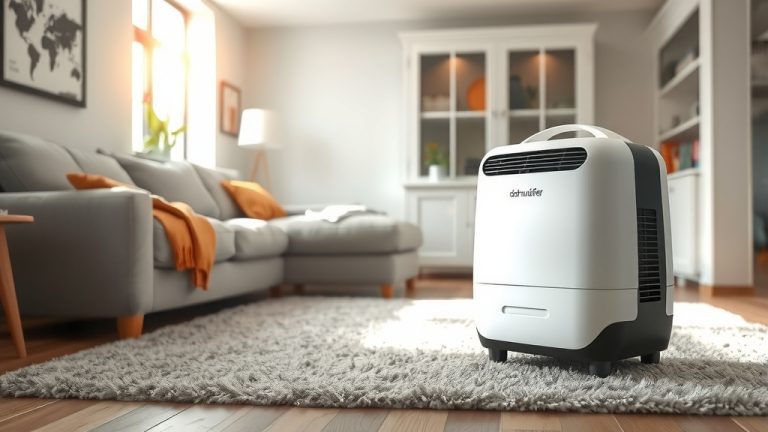
Are Dehumidifiers Good for Allergies?
Yes, dehumidifiers can be very good for allergies, especially if your home has high humidity levels. They work by removing excess moisture from the air, which makes your environment less friendly for common allergens.
Controlling indoor humidity with a dehumidifier helps limit the growth of dust mites, mold, and mildew, which are major triggers for many allergy and asthma sufferers. This creates a drier, healthier living space for you.
TL;DR: The Quick Scoop on Dehumidifiers and Allergies
- Dehumidifiers lower indoor humidity, a key step for allergy relief.
- They directly combat dust mites and mold, which thrive in damp air.
- Enjoy fewer allergy symptoms like sneezing, coughing, and congestion.
- Best results come from keeping humidity between 30% and 50%.
- A dehumidifier is a practical tool in your fight for a healthier home.
Are Dehumidifiers Good for Allergies?
Dehumidifiers are a valuable tool in managing allergies. They help you breathe easier by controlling moisture levels in your home. This simple step can make a big difference in your daily comfort.
Imagine your home as a sanctuary. When it’s too humid, it becomes a party for unwanted guests like dust mites and mold spores. A dehumidifier quietly tells these guests it’s time to leave.
Understanding the Allergy Connection: Why Humidity Matters
Many common allergens love damp, humid conditions. We found that managing humidity is key to reducing their presence (Mayo Clinic). Think of it like this: if you cut off their water supply, they can’t thrive.
Dust mites, for example, need humidity to survive. They absorb moisture from the air. When the air is drier, these tiny creatures struggle to reproduce and eventually die off. This significantly reduces their population in your carpets, bedding, and upholstery.
Dust Mites: The Unseen Trigger
These microscopic pests are a leading cause of allergies and asthma. They are not picky about where they live, setting up shop in your bedroom and living areas. You can’t see them, but their presence can certainly be felt.
Research shows dust mites simply cannot survive in environments with humidity consistently below 50% (NIH). A dehumidifier helps you maintain this level, giving you a powerful defense against them.
Mold and Mildew: The Damp Duo
Mold and mildew also flourish in moist environments. They release spores into the air, which you then inhale. For many, these spores trigger sneezing, coughing, and itchy eyes.
A musty smell in your basement or bathroom often signals mold growth. A dehumidifier directly targets this issue, preventing mold from forming and spreading. It keeps those damp areas feeling fresh.
How a Dehumidifier Works Its Magic
A dehumidifier pulls air from the room over a cold coil. Moisture in the air condenses on this coil, much like water beads on a cold glass. This collected water drips into a reservoir.
The now-drier air is then released back into your room. This continuous cycle steadily lowers the overall humidity. It’s a straightforward process, making your air feel lighter and cleaner.
Optimal Humidity Levels for Allergy Relief
Experts agree that keeping your indoor humidity between 30% and 50% is ideal for allergy management. Levels above 60% are too high, inviting pests. Below 30% can be too dry, causing other issues.
Many dehumidifiers come with a humidistat. This lets you set your desired humidity level. The machine then turns on and off automatically to maintain it, giving you peace of mind and consistent comfort.
Choosing the Right Dehumidifier for Your Home
Selecting a dehumidifier means considering a few factors. You’ll want one sized correctly for your space. A unit too small will run constantly without achieving optimal results.
Consider the room size (square footage) and how damp it typically gets. Basements, for instance, often need a larger capacity unit. Think about where you will place it for maximum effectiveness.
| Dehumidifier Type | Best For | Key Benefit |
|---|---|---|
| Portable | Single rooms, apartments | Flexibility, easy to move |
| Whole-House | Entire home, large spaces | Centralized control, consistent humidity |
| Desiccant | Cooler temperatures (e.g., basements) | Effective in cold, quieter operation |
Where to Place Your Dehumidifier
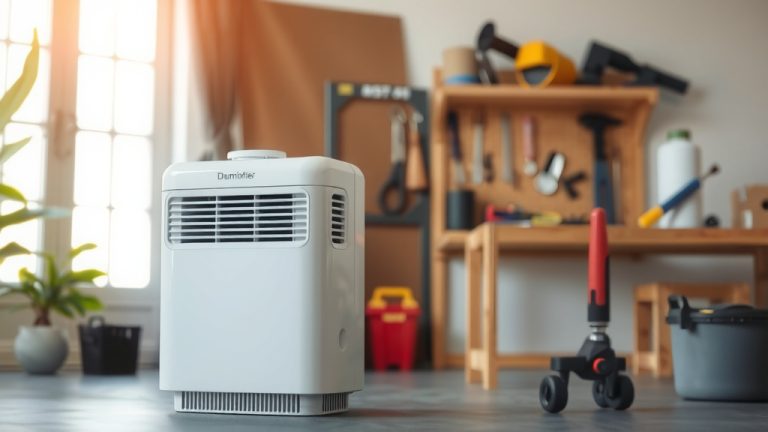
Strategic placement is vital. Focus on areas where humidity tends to build up. Basements, laundry rooms, bathrooms, and even bedrooms are common choices. You want it to be away from walls for good airflow.
Ensure it’s not too close to furniture or curtains that might block its vents. Proper air circulation around the unit allows it to work more efficiently. This helps you get the best performance.
Making it Part of Your Allergy-Fighting Arsenal
A dehumidifier is one piece of the puzzle. Combining it with other allergy management strategies gives you the best defense. Think of it as teamwork for your health.
Regular cleaning, using HEPA filters, and washing bedding often are all powerful allies. Together, these steps create a much more allergy-friendly home environment for you and your family.
Here’s a quick checklist to enhance your allergy strategy:
- Run your dehumidifier consistently.
- Clean filters in your HVAC and dehumidifier regularly.
- Vacuum carpets with a HEPA filter vacuum.
- Wash bedding weekly in hot water.
- Use allergen-proof covers on mattresses and pillows.
- Ventilate bathrooms during and after showers.
Possible Downsides or Considerations
While beneficial, dehumidifiers do have some considerations. They use electricity, so there’s an operating cost. They also require you to empty a water reservoir, unless you have a continuous drainage option.
Some models can be a bit noisy. We found that choosing a model with a good noise rating can help avoid disruptions. Think about these factors to ensure your choice fits your lifestyle.
Conclusion
Dehumidifiers are indeed a great asset in the fight against allergies. By maintaining optimal humidity levels, you directly reduce common triggers like dust mites and mold. This creates a much healthier and more comfortable living space.
Taking control of your indoor air quality is a proactive step for your well-being. A dehumidifier can be your quiet ally, working behind the scenes to help you breathe easier and enjoy your home more.
FAQs About Dehumidifiers and Allergies
Can a dehumidifier replace allergy medication?
No, a dehumidifier should not replace allergy medication. It’s a complementary tool that helps manage environmental triggers. Always consult your doctor for medical advice and treatment plans for your allergies.
How long does it take for a dehumidifier to reduce allergens?
You may notice a difference in air quality and a reduction in musty odors within a few days. However, significantly reducing dust mite populations and mold growth can take several weeks of consistent use. Persistence is key.
Should I run my dehumidifier all day?
It’s often best to run your dehumidifier as needed to maintain your target humidity level, typically between 30% and 50%. Many models have a humidistat that turns the unit on and off automatically, so you don’t need to run it constantly once the ideal level is reached.
What humidity level is best for allergy sufferers?
Most experts recommend keeping indoor humidity levels between 30% and 50% for allergy sufferers. This range is generally too low for dust mites and mold to thrive, while also being comfortable for humans.
Are there specific rooms where dehumidifiers are most effective for allergies?
Yes, dehumidifiers are most effective in rooms that tend to be damp or have poor ventilation. Basements, bathrooms, laundry rooms, and often bedrooms are prime spots. Any area where you notice musty smells or condensation is a good candidate.