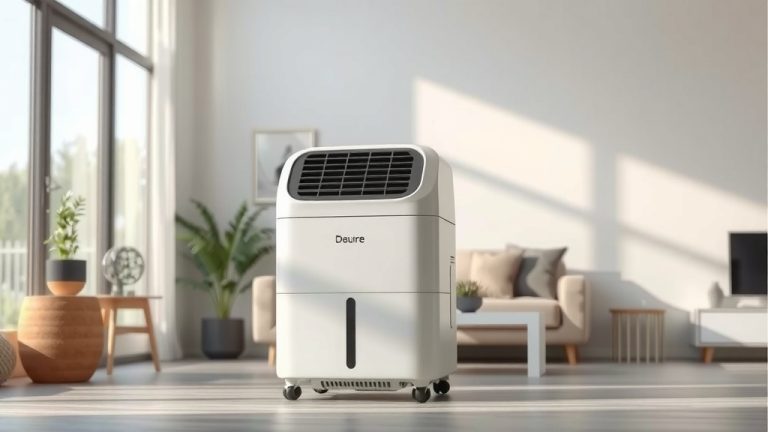
Are Dehumidifiers Good for Mold?
Yes, dehumidifiers are good for mold because they actively remove excess moisture from the air, which is essential for mold to grow and thrive. By controlling indoor humidity, you make your home less inviting for mold spores.
Using a dehumidifier helps maintain ideal humidity levels, typically between 30% and 50%, making it a strong preventative tool against new mold growth.
- Dehumidifiers prevent mold by drying out the air, denying mold the moisture it needs.
- They work best as a preventative measure, not as a standalone solution for existing mold.
- Ideal indoor humidity for mold prevention is generally between 30% and 50%.
- You still need to clean up any current mold before a dehumidifier can help prevent its return.
- Regular maintenance of your dehumidifier ensures it works effectively against moisture.
Are Dehumidifiers Good for Mold?
Dehumidifiers are indeed a powerful ally against mold. They tackle the root cause of many mold problems: excessive moisture in the air. Think of it like this: mold loves damp, humid environments, and a dehumidifier takes that dampness away.
How Dehumidifiers Halt Mold Growth
Mold spores are everywhere, floating harmlessly in the air. They only become a problem when they land on a damp surface and find enough moisture to start growing. A dehumidifier works by pulling humid air into its system, removing the water, and releasing drier air back into your room. This simple action directly impacts mold’s ability to take root and spread.
Understanding the Humidity Connection
We found that mold struggles to grow when relative humidity levels stay below 60% (Environmental Protection Agency). Many experts recommend keeping your home’s humidity between 30% and 50% for optimal comfort and mold prevention. When you keep the air dry, you essentially starve mold of its water supply.
When a Dehumidifier Isn’t Enough
While dehumidifiers are excellent preventative tools, they aren’t a magic cure for existing mold issues. Imagine trying to stop a forest fire by turning off the sprinklers; it doesn’t quite work that way. If you already have visible mold, a dehumidifier alone won’t get rid of it. You’ll need to clean it up first.
Dealing with Existing Mold
If you spot mold, especially on a surface, you need to clean it thoroughly. For small areas, a simple mixture of detergent and water often works. For larger infestations or if you’re unsure, consulting a professional is wise. Once the mold is gone, then your dehumidifier steps in to keep the area dry and prevent return (CDC).
Picking the Right Dehumidifier for You
Choosing a dehumidifier isn’t overly complicated, but it’s important to match the unit to your space. Are you looking to dry out a damp basement, a musty bathroom, or an entire home? The size of your space and the humidity level will guide your choice.
Types and Features to Consider
Most home dehumidifiers are either compressor-based or desiccant-based. Compressor models are often better in warmer, more humid climates, while desiccant models perform well in cooler environments. Look for features like an automatic humidistat, which turns the unit on and off to maintain a set humidity level, and a drain hose connection for continuous drainage. These features make your life much easier, saving you from constantly checking and emptying the water bucket.
| Relative Humidity Level | Potential Effects on Your Home and Health |
|---|---|
| Below 30% | Dry skin, irritated sinuses, static electricity, damage to wood. |
| 30% – 50% | Ideal range for comfort and mold prevention. |
| Above 60% | Musty odors, sticky feeling, mold growth, dust mites. |
Setting the Right Humidity Level
Once you have your dehumidifier, setting it correctly is key. Most units come with a humidistat, much like a thermostat for temperature. You’ll want to set it to your desired humidity level, typically between 40% and 50%. This range is generally comfortable for most people and makes it very difficult for mold to grow.
The “Sweet Spot” for Your Home
Finding your home’s “sweet spot” means balancing comfort with mold prevention. If the air feels too dry, you can always adjust the setting up a bit. The goal is to avoid that damp, clammy feeling that often signals high humidity and potential mold problems.
Keeping Your Dehumidifier Running Well
Just like any appliance, your dehumidifier needs a little tender loving care to work effectively. Regular maintenance ensures it continues to pull moisture out of the air efficiently and without issues. Neglecting it could mean it won’t prevent mold as well, or worse, it could break down.
Simple Maintenance Tips
We found that cleaning your dehumidifier’s air filter every few weeks is super important. A clogged filter makes the unit work harder and less effectively. If your unit has a water bucket, empty and clean it regularly to prevent any bacterial growth. Also, ensure there’s enough space around the unit for proper airflow. These simple steps keep your dehumidifier running smoothly, ensuring it effectively helps combat mold and dampness.
Signs Your Home Needs a Dehumidifier
How do you know if a dehumidifier is right for your home? You might already be experiencing some tell-tale signs. Does your home have a persistent musty smell? Do you see condensation on windows or walls, especially in bathrooms or basements? Are certain areas always feeling damp or clammy? These are all indicators that your indoor humidity is too high.
Beyond Mold: Other Benefits
While mold prevention is a big win, dehumidifiers offer more than just that. By reducing humidity, they can help alleviate allergy symptoms by making it harder for dust mites and other allergens to thrive. Your home will feel more comfortable in general, especially during humid summer months, allowing you to often set your air conditioner a few degrees higher and save on energy bills. It’s a win-win for your home’s air quality and your comfort.
Here’s a simple checklist to help you stay ahead of moisture and mold:
- Regularly check your home’s humidity levels with a hygrometer.
- Run your dehumidifier consistently, especially in damp areas like basements.
- Clean up any water spills immediately to prevent moisture from lingering.
- Ensure proper ventilation in bathrooms and kitchens when showering or cooking.
- Inspect for leaks in pipes, roofs, and windows, and fix them fast.
Conclusion
Dehumidifiers are a fantastic tool in your fight against mold, primarily by maintaining low humidity levels that mold just can’t stand. They aren’t a replacement for proper cleaning if mold already exists, but they are a powerful preventative measure. By understanding how they work, choosing the right one, and keeping it well-maintained, you can help create a drier, healthier, and more comfortable environment for your home. It’s all about making your home less hospitable for mold and more pleasant for you.
Can a dehumidifier completely remove mold from my house?
No, a dehumidifier cannot completely remove mold that has already grown. Its primary function is to prevent new mold growth by reducing moisture. You’ll need to physically clean existing mold with appropriate methods before using a dehumidifier to maintain a dry environment.
How quickly do dehumidifiers start working against mold?
A dehumidifier starts working to reduce humidity almost immediately after you turn it on. You might notice a difference in air quality and feel within a few hours, though it can take days to reach your target humidity level, depending on your room size and starting humidity.
Where should I place a dehumidifier for the best mold prevention?
For best mold prevention, place your dehumidifier in the dampest areas of your home. Common spots include basements, crawl spaces, laundry rooms, or bathrooms with poor ventilation. Ensure there’s enough space around the unit for air to circulate freely.
What is the ideal humidity level for preventing mold?
Many experts, including the EPA, recommend maintaining indoor relative humidity levels between 30% and 50% to effectively prevent mold growth. This range is also generally comfortable for most people and discourages dust mites and other allergens.
Do I need to run my dehumidifier all the time to prevent mold?
It depends on your home’s humidity levels. In naturally damp areas or during humid seasons, running your dehumidifier consistently with its humidistat set to 40-50% is often best. You may not need to run it as often in drier climates or seasons, but regular monitoring is key.