Are Industrial Dehumidifiers Safe?
Yes, industrial dehumidifiers can be very safe when installed and maintained correctly. They are designed for heavy-duty moisture removal in challenging environments.
To ensure safety, you must prioritize proper electrical setup, regular maintenance, and adherence to manufacturer guidelines.
- Industrial dehumidifiers are generally safe with correct use.
- Electrical safety is paramount for preventing hazards.
- Regular maintenance protects air quality and unit function.
- Choose the right size and type for your specific area.
- Always follow manufacturer guidelines for safe operation.
Are Industrial Dehumidifiers Safe?
Yes, industrial dehumidifiers are safe when used properly. They are built tough for commercial and industrial settings, handling extreme conditions.
You can operate them without worry by following safety protocols and regular upkeep.
Understanding Industrial Dehumidifiers
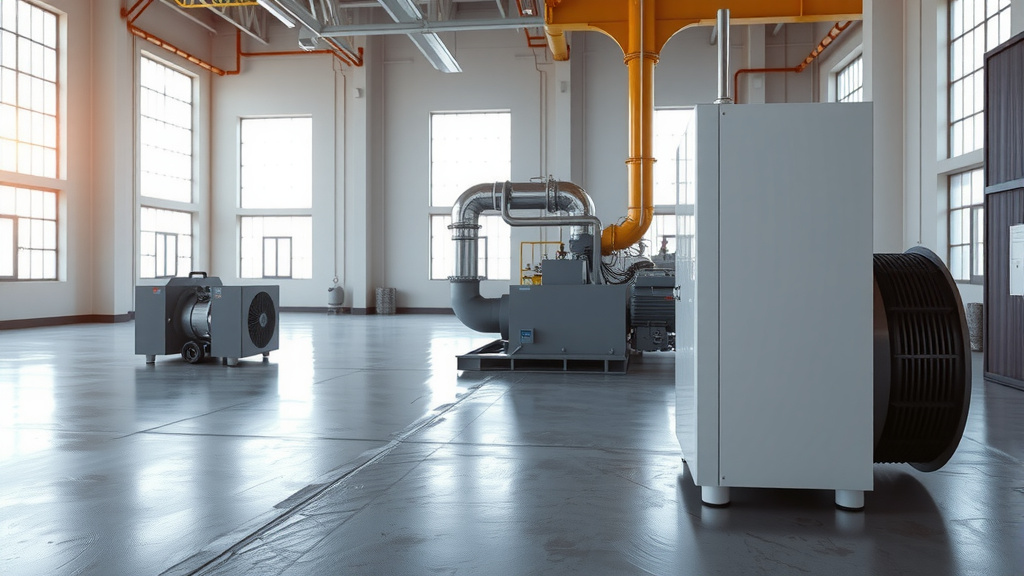
Industrial dehumidifiers are like the heavy-duty champions of moisture control. They pull excess humidity from large spaces.
Think factories, warehouses, construction sites, or even large basements. They stop mold growth and protect materials.
More Power, More Responsibility
These units are far more powerful than your home dehumidifier. They remove gallons of water daily.
With greater power comes a need for careful handling. You need to understand their unique safety points.
Key Safety Concerns for Industrial Dehumidifiers
While generally safe, you should be aware of a few potential issues. Knowing these helps you prevent problems.
Our research shows that most incidents are preventable with proper care and attention.
Electrical Safety: The Big One
Electricity and water never mix well. Industrial units draw a lot of power, so wiring is very important.
Always ensure your unit is properly grounded. Check for damaged cords or overloaded circuits (National Electrical Code).
Water Management is Essential
These machines collect a lot of water. You need a reliable way to drain it.
Poor drainage can lead to leaks, spills, and slip hazards. A blocked drain line can also cause water damage.
Air Quality and Filtration
Dehumidifiers pull air through filters. If these filters get dirty, they can circulate dust or even mold spores.
Clean filters protect your air and keep the machine running well. Many experts say regular filter changes are a must.
Noise Levels Can Be a Problem
Industrial dehumidifiers can be quite loud. They are designed for performance, not quiet operation.
In certain settings, prolonged exposure to loud noise can harm hearing. Consider hearing protection if you are nearby for long periods.
Refrigerant Leaks: A Rare but Real Risk
Most industrial dehumidifiers use refrigerants, much like an air conditioner. Leaks are uncommon but can happen.
Refrigerants are usually harmless in small amounts. Large leaks in enclosed spaces could displace oxygen, which is dangerous (EPA guidelines).
Heat Generation Considerations
As they work, dehumidifiers produce some heat. This is a natural part of the dehumidifying process.
Ensure good ventilation around the unit. This stops the area from getting too warm and helps the machine run efficiently.
Best Practices for Safe Operation
You can keep your industrial dehumidifier running safely with a few simple steps. Think of it as a checklist for peace of mind.
Here’s what you should always keep in mind for your workplace:
- Regular Maintenance: Have professionals check your unit annually. This catches small issues before they become big ones.
- Proper Installation: Make sure it’s installed by someone who knows commercial electrical systems.
- Right Sizing: Using a unit too small or too large can cause problems. Consult an expert to pick the right size.
- Monitoring: Keep an eye on the unit’s performance and the humidity levels. Notice any unusual noises or smells.
- Operator Training: Anyone using the machine should know how to operate it safely and what to do in an emergency.
Choosing the Right Industrial Dehumidifier
The market offers many types of industrial dehumidifiers. Selecting the right one for your space boosts safety and performance.
Consider features that protect both the unit and your team. We found that choosing wisely prevents many common headaches.
| Safety Feature | Benefit to You |
|---|---|
| Automatic Shut-Off | Prevents overflow; protects electrical components. |
| Heavy-Duty Casing | Protects internal parts from damage in tough environments. |
| Error Codes/Diagnostics | Helps you troubleshoot issues quickly and safely. |
| ETL/UL Certification | Ensures the unit meets recognized safety standards. |
When to Call the Pros
Sometimes, a situation calls for expert help. Do not hesitate to contact a qualified technician.
If you notice strange smells, unusual noises, or performance drops, professional advice is always best.
Myths vs. Facts About Dehumidifier Safety
Let’s clear up some common misunderstandings. Knowing the truth helps you use your equipment without fear.
Separating fact from fiction can make a big difference in your daily operations.
Myth: All Dehumidifiers Cause Electrical Fires.
Fact: This is not true for properly maintained units. Most electrical fires link to old, faulty wiring or damaged power cords. Modern industrial units have many safety features built-in.
Myth: Refrigerant Leaks Are Always Life-Threatening.
Fact: While serious, large leaks in enclosed spaces are rare. Many experts state that refrigerant concerns are minimal with proper ventilation and routine service.
Conclusion
Industrial dehumidifiers are powerful tools, not scary monsters. They are very safe when you treat them with respect.
Your responsibility involves proper installation, regular maintenance, and sensible operation. You protect your property and your people by following these guidelines.
Choose wisely, maintain diligently, and enjoy a drier, safer environment.
Are industrial dehumidifiers expensive to run?
Running costs for industrial dehumidifiers depend on their size, power, and how long they operate. Larger units generally use more electricity. However, the cost of not controlling humidity, like mold damage or ruined materials, is often much higher.
How often should I clean my industrial dehumidifier’s filter?
Many experts recommend checking and cleaning filters every few weeks, or even daily in very dusty environments. It also depends on the manufacturer’s guidelines and the air quality of your specific location. A clean filter ensures peak performance and better air quality.
Can I use a residential dehumidifier in a commercial setting?
No, a residential dehumidifier is not suited for commercial or industrial use. It simply lacks the capacity and durability to handle the higher demands of larger, tougher environments. Using one would be inefficient and likely lead to premature failure.
What should I do if my industrial dehumidifier starts making strange noises?
If your unit makes unusual noises, the first step is to turn it off safely. Then, check the user manual for troubleshooting tips. If the issue persists or you cannot identify the problem, contact a qualified technician immediately. Do not try to repair it yourself unless you are trained.
Do industrial dehumidifiers need a special power outlet?
Yes, many industrial dehumidifiers need a dedicated power outlet with a specific voltage and amperage. This often differs from standard residential outlets. Always check the manufacturer’s specifications and consult an electrician to ensure proper and safe electrical connections.