Are Insignia Dehumidifiers Any Good?
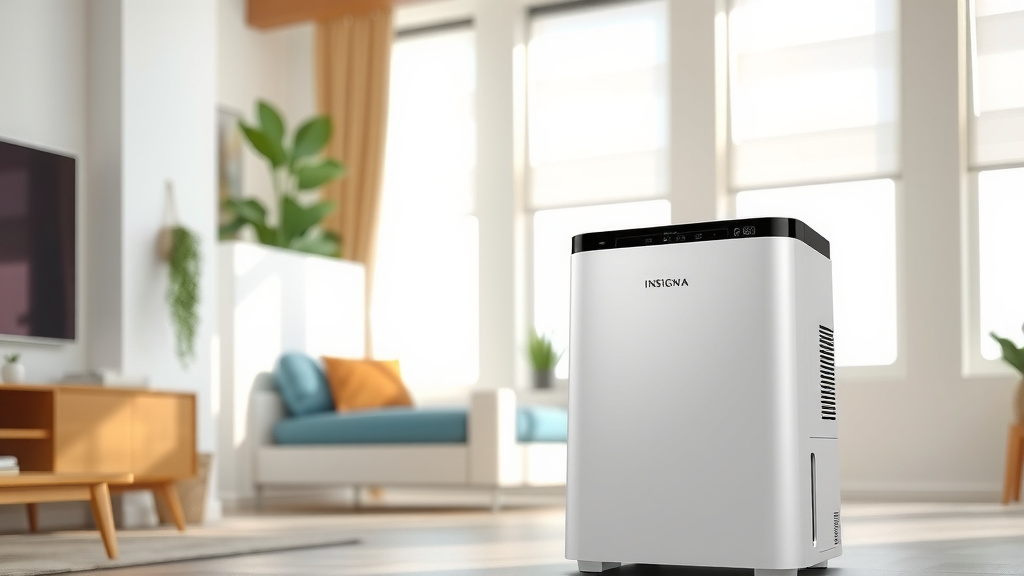
Insignia dehumidifiers can be a good option for those on a budget or needing basic humidity control in smaller spaces, often delivering decent performance for their price point. However, they may not offer the advanced features, quiet operation, or long-term durability found in higher-end brands, making them best suited for light to moderate use.
Here’s a quick overview of what to expect from Insignia dehumidifiers:
- They generally offer good value for their cost.
- Best for smaller rooms or occasional use, not large, constantly damp areas.
- Expect basic functionality rather than advanced features like smart home integration.
- Noise levels might be a consideration for quiet spaces.
- Durability can be a mixed bag; some users report long life, others experience shorter lifespans.
Are Insignia Dehumidifiers Any Good?
Yes, Insignia dehumidifiers can be quite good for certain situations, especially if you prioritize affordability and basic functionality. They serve as a solid entry-level choice for managing household humidity.
You’re probably wondering if an Insignia dehumidifier is the right pick for your home. It’s like picking out a tool for a specific job; you wouldn’t use a wrench when you need a hammer, right? We’ve done the research to help you decide.
Understanding Insignia Dehumidifiers: What Are They?
Insignia is a brand known for producing electronics and appliances that offer a strong balance of features and price. Their dehumidifiers typically aim to be user-friendly and cost-effective solutions for common humidity problems.
You’ll often find them at major retailers, making them easily accessible. They usually come in various pint capacities, designed for different room sizes, from small bedrooms to medium-sized living areas.
The Upside: Why You Might Like Insignia
When you’re looking for a dehumidifier, value is a big deal. Insignia often shines here, providing an affordable way to tackle dampness. Here are a few reasons why they might catch your eye:
- Budget-Friendly: You’ll typically find Insignia models priced lower than many competitors, which is great for your wallet.
- Easy to Use: Most models feature simple controls and straightforward setup, so you can get them running quickly.
- Decent Performance for Basic Needs: For standard humidity issues in apartments or basements, they often do the trick.
- Compact Design: Many models are designed to be relatively small, making them easy to place without taking up too much room.
Many people find that Insignia dehumidifiers are a great starting point, especially if they’re new to managing indoor humidity (research shows this is a common reason for purchase).
The Downside: What to Consider Before Buying
Every product has its trade-offs, and Insignia dehumidifiers are no exception. It’s important to go in with eyes wide open to avoid disappointment.
Some users, through various online reviews and feedback, have pointed to a few areas where Insignia might fall short compared to more premium brands. These factors can affect your overall experience.
Many reports highlight that while they get the job done, they might not be the most robust. For instance, you might find that the noise level is higher than you’d prefer in a living room. Also, features like smart controls or advanced filtration might be missing.
Noise Levels
Could noise be an issue for you? Some Insignia models can be a bit louder than higher-end units. If you plan to use it in a bedroom or office, this is something to keep in mind (we found this to be a recurring comment in user discussions).
Durability and Longevity
While some users enjoy years of trouble-free operation, others report that Insignia units might not last as long as more expensive brands. This often becomes a consideration if you need a dehumidifier for continuous, heavy-duty use.
When an Insignia Dehumidifier is the Perfect Fit for You
An Insignia dehumidifier is a superb choice if you need to tackle a small, occasional dampness problem. Think of it as a helpful assistant, not a full-time heavy-lifter.
It’s often recommended for smaller spaces like bathrooms, laundry rooms, or a corner of a basement where humidity isn’t extreme. If you’re living in a rental and need a temporary solution, the lower price point is certainly appealing.
When to Explore Other Dehumidifier Options
Are you battling a consistently wet basement or a large, humid house? Then an Insignia might not be your best bet. For larger spaces, you’ll generally need a unit with a higher pint capacity and possibly more advanced features.
If you need continuous drainage options, very quiet operation, or smart home integration, you may find yourself looking at different brands. These specialized needs often come with a higher price tag but offer enhanced functionality.
Key Features to Look For in Any Dehumidifier
Before you buy any dehumidifier, whether Insignia or another brand, consider these critical features. This will help you get the most out of your purchase and avoid common pitfalls.
Understanding Capacity: Pint Ratings Matter
The “pint rating” tells you how much moisture a dehumidifier can remove in 24 hours. Matching this to your room size and humidity level is crucial. A unit too small will struggle, while one too large might over-dry the air, wasting energy (many experts agree on this, CDC guidelines also touch upon ideal humidity levels).
Noise Level Considerations
Measured in decibels (dB), a lower number means a quieter unit. Anything below 50 dB is generally considered quiet for a living space. For bedrooms, you might want something even lower.
Energy Efficiency
Look for the Energy Star label. An energy-efficient model will save you money on your electricity bill over time. Even a slightly more expensive unit can be cheaper in the long run if it’s more efficient.
Drainage Options: Manual or Continuous?
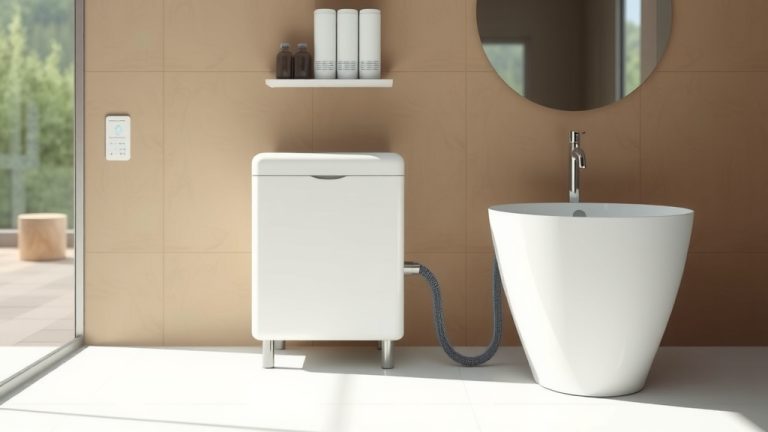
Do you want to empty a water bucket every day, or do you prefer a hose connection for continuous drainage? Insignia models often offer both, but it’s worth checking for your specific needs.
Dehumidifier Capacity Guide (Pint Rating vs. Room Size)
To help you choose, here’s a general guide. Remember, if your area is very damp or wet, you might need to go up a size.
| Area (sq. ft.) | Pint Capacity (Lightly Damp) | Pint Capacity (Moderately Damp) |
|---|---|---|
| Up to 500 | 10-20 pints | 20-30 pints |
| 500 – 1,000 | 20-30 pints | 30-40 pints |
| 1,000 – 1,500 | 30-40 pints | 40-50 pints |
| 1,500 – 2,500 | 40-50 pints | 50-70 pints |
Keeping Your Dehumidifier Happy: Maintenance Tips
No matter the brand, a little care goes a long way. Regular maintenance ensures your dehumidifier works efficiently and lasts longer. It’s not rocket science, just a few simple steps.
Simple Checklist for Dehumidifier Care:
- Clean the air filter regularly, usually once a month.
- Empty the water tank before it overflows, or ensure continuous drainage is working.
- Wipe down the exterior to keep it dust-free.
- Check the coils for ice build-up, especially in cooler environments.
- Keep the unit away from walls to ensure proper airflow.
Following these steps helps maintain optimal performance and can prevent costly repairs down the line. Think of it as giving your appliance a little health check-up.
Making Your Final Decision
So, are Insignia dehumidifiers any good for *you*? It really boils down to your specific situation. If you need a straightforward, budget-friendly option for minor humidity issues, an Insignia could be a perfect match. If your needs are more demanding, it might be wise to explore other brands that specialize in high-capacity or feature-rich units.
Conclusion
Insignia dehumidifiers can certainly be a good and sensible purchase for many homeowners. They stand out as a reliable entry-level choice for managing typical household humidity without breaking the bank. While they might not boast every advanced feature or the quietest operation of premium brands, they offer solid performance for their price.
Ultimately, by understanding your specific needs—room size, humidity level, and budget—you can confidently decide if an Insignia dehumidifier will serve you well. It’s all about finding the right tool for your unique home environment.
Frequently Asked Questions About Dehumidifiers
How do I know what size dehumidifier I need?
You determine the size by considering your room’s square footage and how damp it feels. For a very damp space (like a wet basement) of 1,000 sq ft, you might need a 30-40 pint unit. For a lightly damp space of the same size, a 20-30 pint unit could suffice. Always match the pint capacity to your specific conditions for optimal performance.
Can a dehumidifier make you sick?
Properly used, a dehumidifier should not make you sick. In fact, by reducing humidity, it can help prevent mold and dust mites, which are common allergens. However, if the humidity levels drop too low (below 30% RH), it can lead to dry skin, irritated sinuses, or dry throats for some people. Keeping the water tank clean is also important to avoid bacteria growth.
Where is the best place to put a dehumidifier in a room?
For best results, place your dehumidifier in a central location within the dampest room, ensuring there’s at least 6-12 inches of space around it for proper airflow. Avoid placing it against walls or behind furniture, as this can block the air intake and exhaust, making it less efficient. In a basement, a corner away from exterior walls often works well.
How long should a dehumidifier run each day?
Initially, you might run your dehumidifier continuously for the first few days to bring the humidity down to your desired level (often between 40-50% relative humidity). After that, it should run only as needed, cycling on and off to maintain that set humidity. Many units have a built-in humidistat that will automatically manage this for you, so you don’t need to run it 24/7 once the desired level is reached.
Do dehumidifiers use a lot of electricity?
The electricity usage of a dehumidifier varies significantly based on its pint capacity, efficiency rating (Energy Star certified units use less), and how often it runs. A larger, non-efficient unit running constantly will use more electricity. However, compared to other large appliances, a well-sized, energy-efficient dehumidifier used to maintain a healthy humidity level typically won’t add a disproportionate amount to your utility bill.