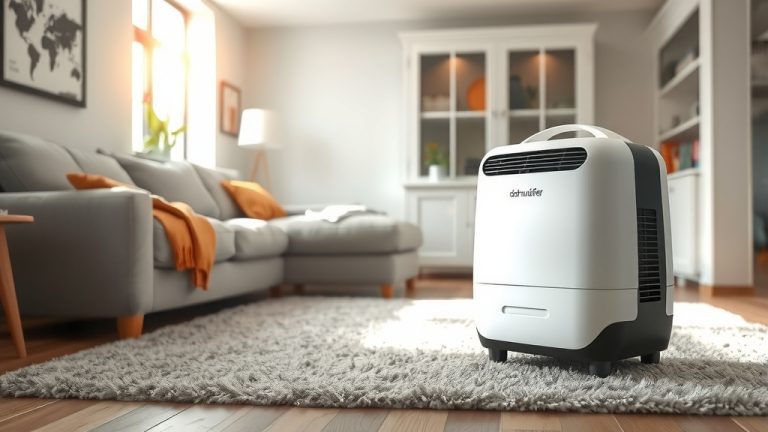
Are Portable Dehumidifiers Effective?
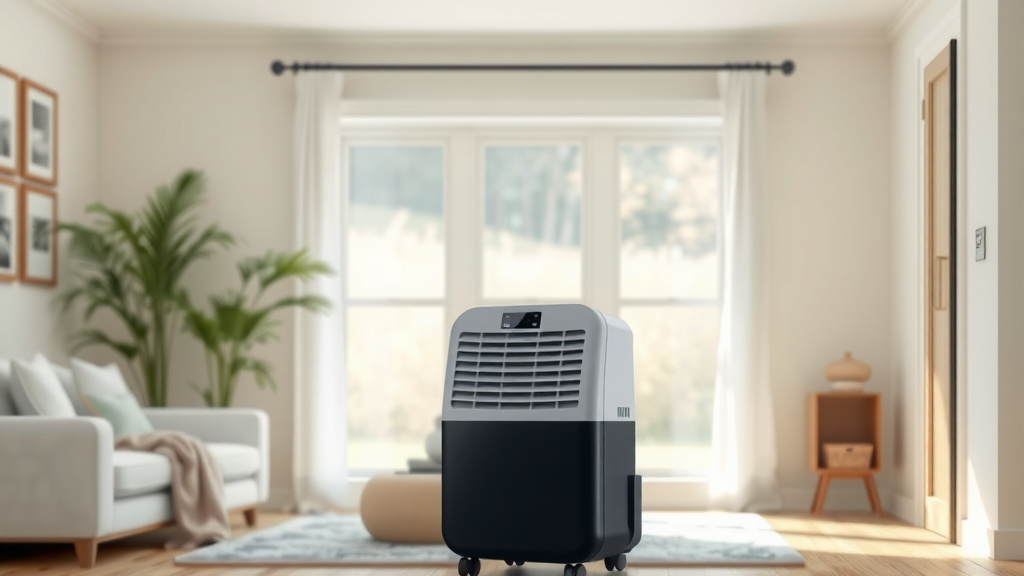
Yes, portable dehumidifiers are highly effective for removing excess moisture in specific areas or rooms of your home. They excel at reducing humidity levels, which can make your living spaces feel more comfortable and protect against dampness-related issues.
These versatile units work by drawing in humid air, cooling it to condense the moisture, and then releasing drier air back into the room, making a real difference in controlling indoor air quality.
Here’s a quick overview of what you’ll find in this article:
- Portable dehumidifiers effectively reduce moisture in targeted spaces.
- They protect your home and health by preventing mold, mildew, and allergens.
- Choosing the right size is crucial for their performance.
- While great for rooms, they have limitations for whole-home drying.
- Regular maintenance keeps them running efficiently.
Are Portable Dehumidifiers Effective?
Yes, absolutely! Portable dehumidifiers are a great solution for managing humidity. They are designed to pull moisture from the air, making your indoor environment much drier and more pleasant.
Understanding How Portable Dehumidifiers Work
Imagine your air conditioner, but focused solely on moisture. A portable dehumidifier pulls warm, damp air over a cold coil. This coil cools the air, causing water vapor to condense into liquid droplets, much like dew on a cold glass of water.
This collected water then drips into a tank. The now-drier air gets reheated slightly and released back into the room. It’s a clever cycle that continuously removes excess moisture.
Research confirms that this refrigeration-based process is a very efficient way to lower humidity levels in enclosed spaces (ASHRAE Journal).
Where Portable Dehumidifiers Excel
You’ll find portable dehumidifiers truly shine in areas prone to dampness. Think about your basement, a musty attic, or a laundry room that always feels a bit sticky. They are perfect for these specific zones.
Many experts say they are ideal for areas where humidity rises above 50-60%. This helps avoid that clammy feeling and can even dry clothes faster on a humid day. They offer a simple fix for complex moisture problems.
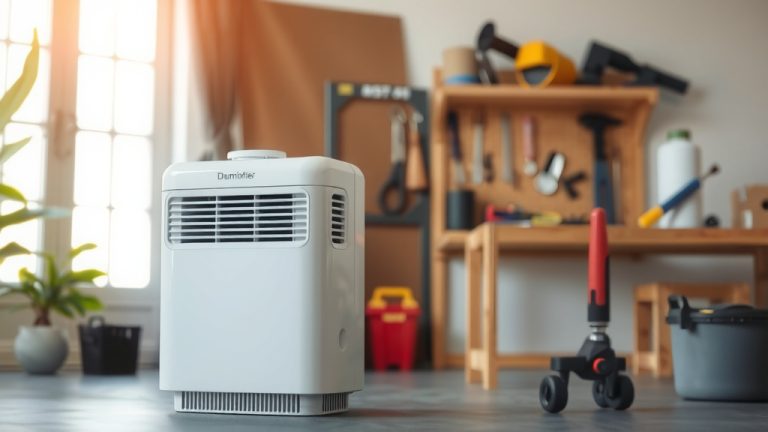
We found that many people use them effectively in bedrooms to reduce allergens or in workshops to protect tools from rust.
Key Benefits for Your Home and Health
Bringing down humidity does so much more than just make the air feel better. It’s a guardian for your home and your well-being.
Protecting Belongings and Structure
Excess moisture is tough on your home. It can warp wooden furniture, peel paint, and damage electronics. A dehumidifier acts like a shield, keeping your valuables safe from moisture’s destructive hand. It also prevents structural issues like rotting wood.
Improving Air Quality and Comfort
High humidity is a playground for mold spores, dust mites, and other allergens. By reducing moisture, you make it much harder for these uninvited guests to thrive. This can significantly improve the air you breathe and ease allergy or asthma symptoms (CDC).
Plus, drier air often feels cooler. You might even find yourself turning down the AC a notch or two, saving a little on your energy bill.
How to Choose the Right Portable Dehumidifier
Picking the correct unit is key to its effectiveness. It’s not a one-size-fits-all situation. Let’s make sure you get one that truly works for you.
Sizing It Up: Capacity Explained
Dehumidifier capacity is measured by how many pints of water it can remove from the air in 24 hours. A unit rated for 30 pints, for example, is usually good for a medium-sized room (around 1,500 square feet) that’s moderately damp.
For very damp basements or larger areas, you might need a 50-pint or even 70-pint unit. Getting the size right ensures your dehumidifier isn’t constantly running, yet still gets the job done.
Features to Prioritize
When you’re looking to buy, consider these important features:
- Automatic Humidistat: Set your desired humidity level, and the unit turns on and off by itself.
- Continuous Drain Option: Connect a hose to a drain, so you never have to empty the water bucket.
- Auto Shut-Off: The unit stops when the water bucket is full, preventing overflows.
- Low-Temperature Operation: Crucial if you’re using it in a cool basement or garage.
- Washable Air Filter: Makes maintenance easier and improves air quality.
Portable vs. Whole-Home Systems
Are you wondering if a portable unit is enough or if you need something bigger? Here’s a quick comparison:
| Feature | Portable Dehumidifier | Whole-Home System |
|---|---|---|
| Coverage Area | Single rooms or specific zones | Entire house, connected to HVAC |
| Installation | Plug-and-play, easy setup | Professional installation often required |
| Cost (Unit) | Lower initial cost | Higher initial cost |
| Maintenance | Emptying bucket, cleaning filter | Less frequent, professional checks |
Potential Downsides to Consider
While portable dehumidifiers are fantastic, they do have a few limitations. No product is perfect, right?
Addressing Noise and Power Use
They aren’t silent. Just like a refrigerator or fan, they make some noise. If you’re sensitive to sound, especially in a bedroom, this is something to keep in mind. We found some models are quieter than others, so check decibel ratings if noise is a concern.
Also, they use electricity. How much depends on the unit’s size, how often it runs, and your electricity rates. While they’re efficient at removing moisture, they do add to your energy consumption. Running one with an automatic humidistat helps manage this, as it only runs when needed.
Maintaining Your Unit for Best Performance
A little care goes a long way. To ensure your portable dehumidifier stays effective, you need to show it some love.
Regularly cleaning the air filter is a must. A clogged filter makes the unit work harder and less efficiently. Also, keep the coils clean. Dust and grime on the coils hinder the condensation process.
Emptying the water bucket (if you’re not using continuous drainage) is also something to do regularly. Many units have an indicator light to tell you when it’s full, which is a handy feature.
Conclusion
So, are portable dehumidifiers effective? Absolutely! They are incredibly useful tools for targeted moisture control, offering significant benefits for your home’s structure, your belongings, and your health. Choosing the right size and type for your needs, along with a bit of regular maintenance, will ensure you enjoy a drier, more comfortable living space.
Think of them as your personal moisture managers, diligently working to keep your air just right. They might not dry your entire mansion, but for a damp basement or a humid bedroom, they are often a perfect, practical solution.
Can a portable dehumidifier handle a large open space?
Portable dehumidifiers are designed for specific rooms or zones, not usually large open spaces like an entire open-concept floor. For very large areas or whole-house humidity control, a whole-home dehumidifier integrated with your HVAC system is generally more effective and efficient. A portable unit might help slightly, but it won’t provide comprehensive drying.
How do I know what size portable dehumidifier I need?
To determine the correct size, you need to consider the square footage of the room and how damp it typically is. For a moderately damp room around 1,500 square feet, a 30-pint unit is often recommended. If the room is very wet or larger, you’ll need a higher pint capacity, such as 50 or 70 pints. Always refer to the manufacturer’s recommendations for sizing.
Is it okay to leave a portable dehumidifier running all the time?
Yes, many modern portable dehumidifiers are designed to run continuously, especially if they have an automatic humidistat that turns the unit on and off to maintain a set humidity level. If you have a continuous drain option, you won’t even need to empty the water tank. However, regular checks and maintenance are still important to ensure optimal performance and longevity.
What’s the ideal humidity level for a home?
Many experts say the ideal indoor humidity level for comfort and health is between 30% and 50%. Keeping your humidity within this range helps prevent the growth of mold and dust mites, protects wooden furnishings, and keeps your air feeling fresh without being too dry. You can monitor this with a simple hygrometer.
Do portable dehumidifiers need special maintenance?
Portable dehumidifiers require regular, but not special, maintenance. This primarily involves cleaning the air filter every few weeks or months, depending on usage, to ensure proper airflow and efficiency. If your unit has a water bucket, it should be emptied and cleaned periodically to prevent mold or mildew growth. Occasionally, wiping down the exterior and checking the coils for dust can also be beneficial.