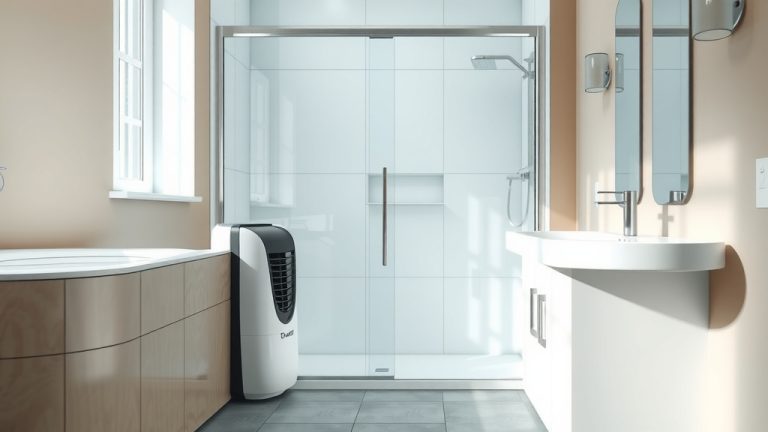
Are Salt Lamps Dehumidifiers?
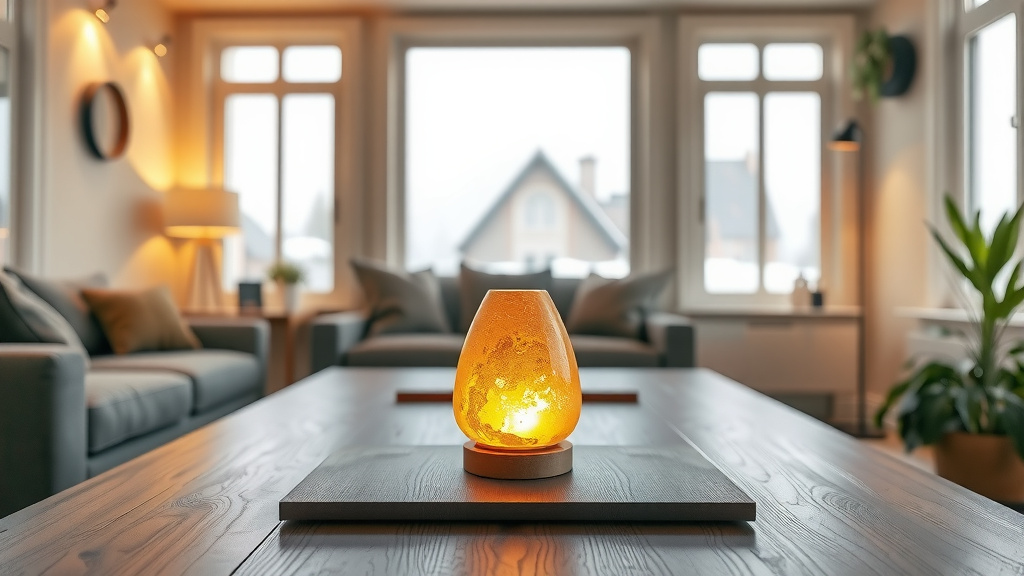
Salt lamps are not effective dehumidifiers for your home. While they can absorb a minuscule amount of moisture from the air, they lack the capacity and mechanism to significantly impact room humidity levels.
A true dehumidifier actively removes substantial water vapor, helping to control dampness, mold growth, and musty odors in your living spaces.
Here’s a quick overview of what you’ll find:
- Salt lamps absorb minimal moisture, unlike real dehumidifiers.
- They are primarily decorative, not functional for humidity control.
- High humidity needs an active, mechanical solution.
- Understanding signs of excess humidity helps you choose the right tool.
- Salt lamps may offer aesthetic benefits, but not air quality improvement.
Are Salt Lamps Dehumidifiers?
No, salt lamps are not considered dehumidifiers in any practical sense. They don’t have the power to dry out a room.
If you’re looking for real humidity control, you’ll need a different solution. We found that dedicated dehumidifiers are the only reliable option.
Understanding How Salt Lamps Interact with Moisture
You might have heard that salt lamps “sweat.” This happens because Himalayan salt is hygroscopic by nature. It means the salt crystals can attract and hold water molecules from the air.
Think of it like a sponge. A tiny sponge can soak up a tiny spill. A salt lamp acts like a very small sponge for airborne moisture. It pulls a bit of water to its surface.
When the lamp heats up from its internal bulb, some of this absorbed water evaporates back into the air. This process is minimal. It’s not a continuous drying action for your entire room.
Why Salt Lamps Are Not True Dehumidifiers
The scale of their moisture absorption is the key issue. A salt lamp might absorb a few drops of water over many hours. This is negligible when dealing with a room that has excess humidity problems.
Real dehumidifiers actively pull air in, cool it to condense moisture, and collect the water. Salt lamps do none of this. They rely on passive attraction, which is simply not enough. Research shows they have no measurable impact on room humidity (NIST).
What a Real Dehumidifier Does
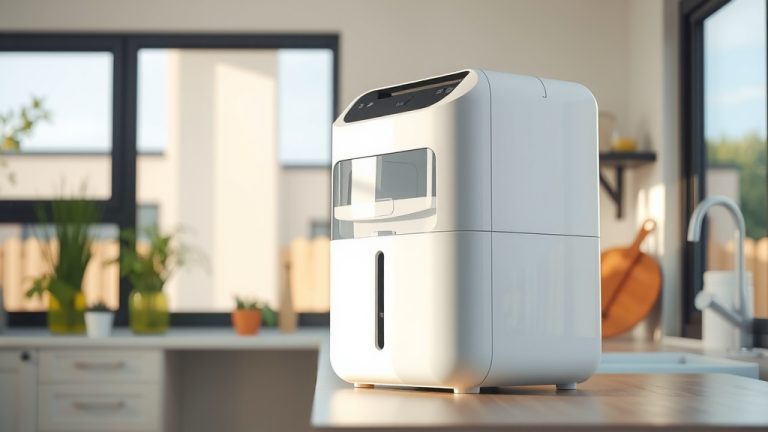
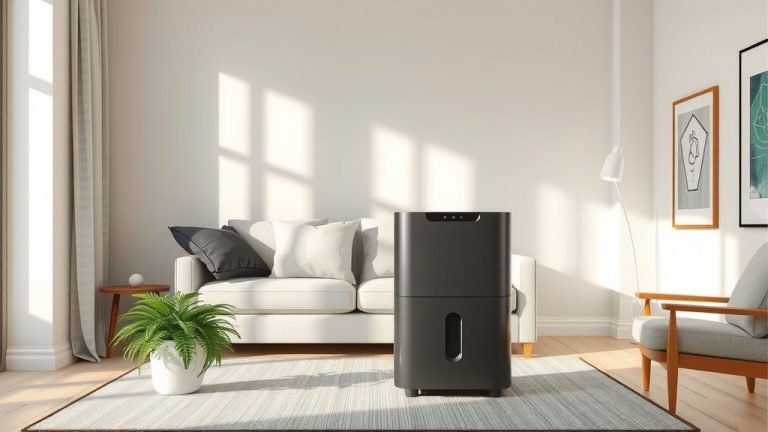
A true dehumidifier is a workhorse. It uses a fan to draw in humid air. This air then passes over chilled coils, where the moisture condenses into liquid water.
The collected water drips into a reservoir. The now-dry air is released back into your room. This continuous cycle effectively lowers and maintains your desired humidity levels. Many experts agree this is the best approach (EPA).
Comparing Moisture Absorption: Salt Lamps vs. Dehumidifiers
Let’s look at how these two very different items stack up against each other. It helps to see the roles they play in a home.
| Feature | Salt Lamp | Dehumidifier |
|---|---|---|
| Primary Purpose | Decorative lighting, ambient glow | Active moisture removal |
| Moisture Capacity | Extremely minimal (drops) | Substantial (pints/gallons per day) |
| Energy Use | Low (for light bulb) | Moderate to high (for fan/compressor) |
| Impact on Humidity | None to imperceptible | Significant and controllable |
| Best For | Small, aesthetic spaces | Damp rooms, basements, entire homes |
Signs You Need a Dedicated Dehumidifier
Are you seeing signs of excess moisture? It’s important to recognize these. Left unchecked, high humidity can cause issues like mold and mildew.
Here are some tell-tale signs that your home, or a specific room, might benefit from a proper dehumidifier:
- A musty smell in your basement or certain rooms
- Visible mold or mildew on walls, ceilings, or upholstery
- Water stains on walls or ceilings
- Condensation on windows or cold pipes
- Peeling paint or wallpaper
- Wood warping or feeling damp to the touch
- Allergies or asthma symptoms worsening indoors
Beyond Humidity: Other Salt Lamp Claims
You might have heard other claims about salt lamps. Some suggest they purify the air by releasing negative ions. However, scientific research does not support these claims for air purification.
We found that while salt lamps create a lovely, warm glow, any perceived benefits beyond aesthetics are likely due to the calming ambiance they provide. It’s about mood and atmosphere, not air quality improvement (NIH).
Maintaining Your Salt Lamp
Even though they aren’t dehumidifiers, salt lamps still require a little care. Because they absorb moisture, they can sometimes look wet or “sweat” excessively in very humid conditions. You might notice a small puddle forming around the base.
To maintain your lamp, gently wipe it with a dry cloth. Keep it lit often, as the warmth helps dry the surface. If you live in a very humid area, you might consider placing it on a small plate to catch any drips.
When Salt Lamps are a Good Fit
Salt lamps definitely have their place in your home! They are wonderful for creating a cozy and inviting atmosphere. Their soft, orange-pink glow can be very relaxing.
They work well as a nightlight in a bedroom or to add a calming touch to a living space. Think of them as a decorative item that also happens to be a conversation starter. They just aren’t a tool for moisture management.
Choosing the Right Dehumidifier for Your Space
If you’ve identified a humidity problem, choosing the right dehumidifier is key. Consider the size of your space, how damp it gets, and your climate. Many experts suggest picking a unit based on its capacity and your room size (Energy Star).
Here’s a quick checklist to help you decide:
- Room Size: Match the dehumidifier’s pint capacity to your square footage.
- Humidity Level: Do you have moderate dampness or very wet conditions?
- Drainage: Do you prefer manual emptying or continuous drain options?
- Noise Level: Some units are quieter than others, important for living areas.
- Energy Efficiency: Look for Energy Star certified models to save on power.
- Portability: Do you need to move it between rooms?
The Bottom Line on Humidity Control
Controlling humidity is important for your home’s structure and your family’s health. While salt lamps bring beauty, they won’t solve a damp basement or mold problem. For those issues, you need a dedicated appliance.
Understanding the actual capabilities of each item helps you make the best choices for your living environment. You deserve a home that feels comfortable and healthy.
Conclusion
In summary, salt lamps are charming decorative pieces that use their natural hygroscopic properties to absorb tiny bits of airborne moisture. However, they are not functional dehumidifiers. For real and effective humidity control, you need a proper dehumidifier designed for the job. Investing in the right tools helps protect your home and promotes a healthier atmosphere.
Are salt lamps safe to leave on all the time?
Yes, salt lamps are generally safe to leave on all the time. The low-wattage bulb inside generates minimal heat. Just ensure it’s on a stable surface and away from anything flammable, like any electrical appliance.
Can a salt lamp help with allergies?
No, there is no scientific evidence that salt lamps can help with allergies. While some manufacturers claim they purify air, research has not supported these claims. If you have allergies, focus on proven air purifiers and humidity control.
How do I know if my home’s humidity is too high?
You can use a simple hygrometer to measure your home’s humidity levels. Optimal indoor humidity is generally between 30% and 50%. Visible signs like condensation, mold, or a musty smell also indicate high humidity.
What’s the difference between a salt lamp and a desiccant dehumidifier?
A salt lamp passively absorbs very small amounts of moisture. A desiccant dehumidifier actively draws air over a rotating wheel coated with a moisture-absorbing material. It then heats the material to release the absorbed water into a collection tank, making it a powerful and active solution.
Will a salt lamp prevent mold growth?
No, a salt lamp will not prevent mold growth. Mold thrives in humid environments. A salt lamp’s moisture absorption is too insignificant to reduce a room’s humidity enough to deter mold. You need a dedicated dehumidifier to control humidity and prevent mold effectively.