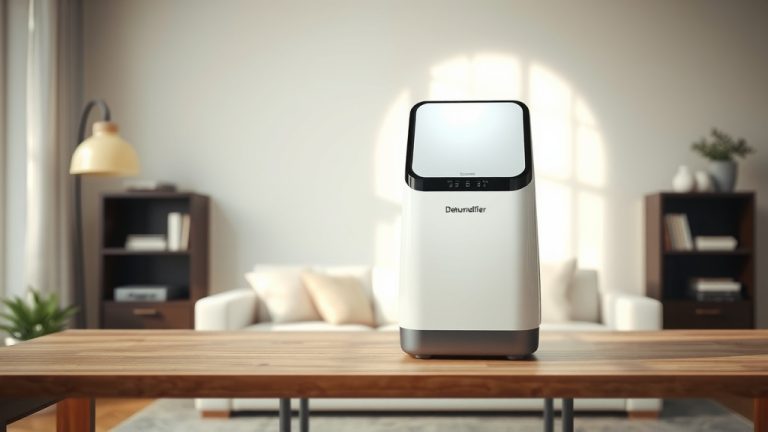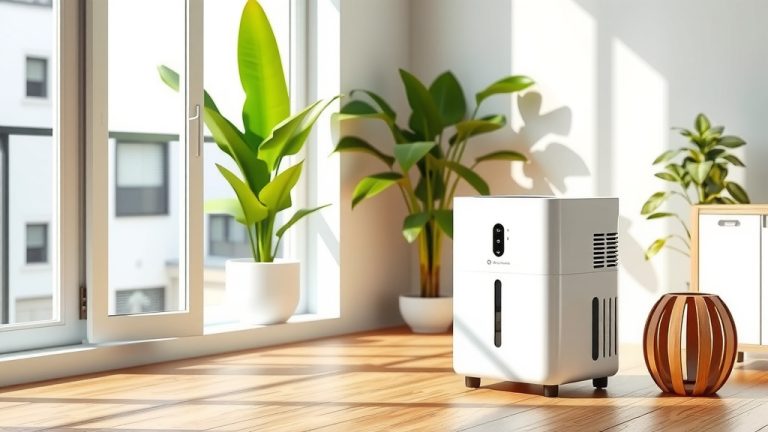
Are There Cordless Dehumidifiers?
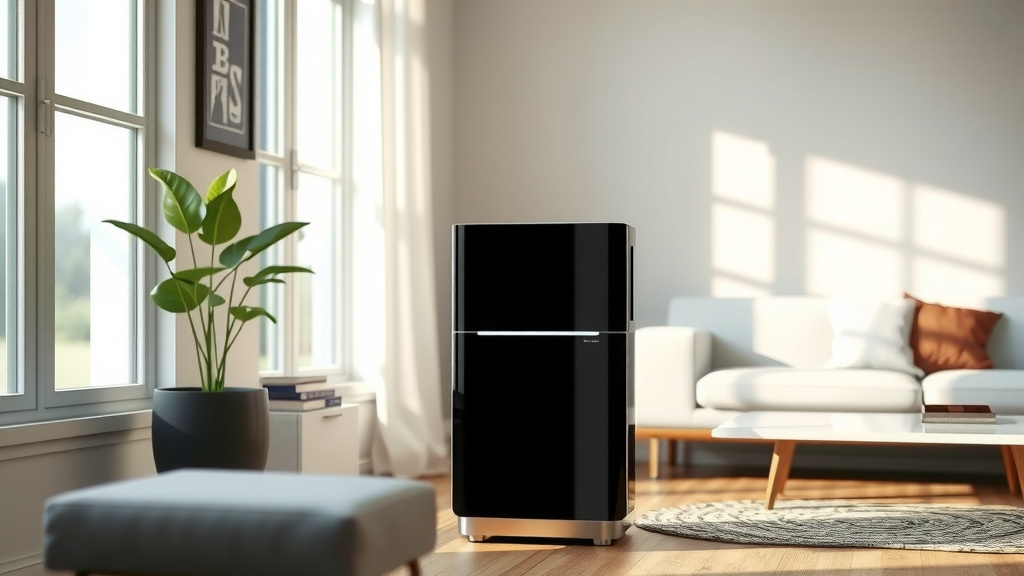
True cordless dehumidifiers, operating entirely without a power cord and relying solely on battery power for continuous residential use, are not widely available due to their significant energy demands.
You can find small, portable “cordless” moisture absorbers or desiccant dehumidifiers that do not need an electrical outlet, perfect for tiny, enclosed spaces but with limited moisture removal capacity.
Here’s a quick summary of what you need to know about cordless dehumidifiers:
- Full-sized, continuously battery-powered dehumidifiers for homes do not currently exist.
- Small, desiccant-based moisture absorbers are available for very tiny, enclosed areas.
- These smaller units often use rechargeable silica gel, absorbing moisture passively.
- For real, consistent moisture removal in larger spaces, you will need a traditional plug-in electric dehumidifier.
- Strategic placement and proper drainage are key for any effective dehumidifying solution.
Are There Cordless Dehumidifiers?
You might be dreaming of a dehumidifier that works anywhere, without a plug. We found that true cordless dehumidifiers, powered solely by batteries for ongoing operation in a room, are simply not a common product. Why is that, you ask?
The answer lies in the sheer amount of power these machines need to do their job effectively. It is a big challenge for current battery technology.
Understanding the Power Problem
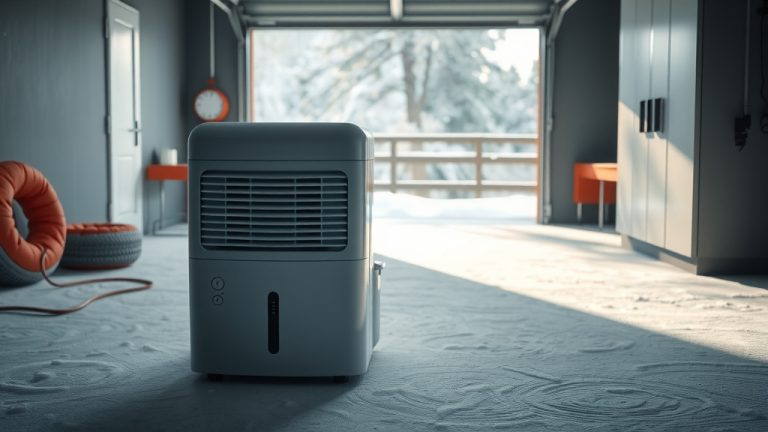
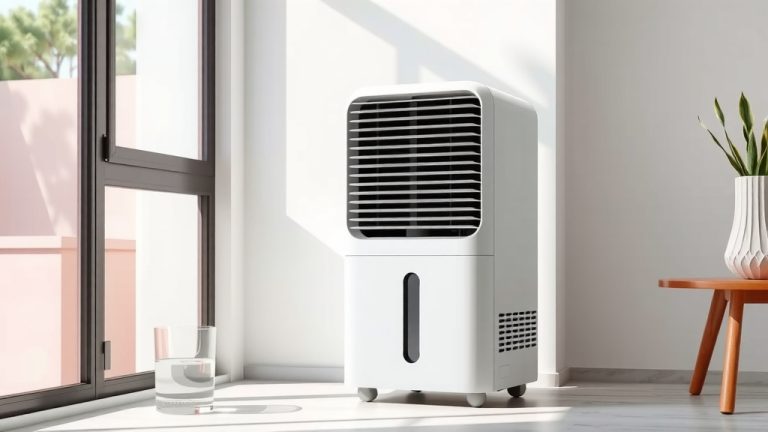
Think about what a regular dehumidifier does. It pulls in air, cools it down to condense moisture, and then blows out drier air. This process needs a fan and a compressor, both of which draw a lot of electricity.
Imagine trying to power a small refrigerator continuously on batteries. That’s essentially the kind of power demand we’re talking about for a standard dehumidifier. Batteries just do not have the capacity for that kind of sustained work yet.
What Do Dehumidifiers Actually Do?
Most common dehumidifiers work like tiny air conditioners. They use a fan to pull humid air over a cold coil. The moisture in the air condenses into water droplets, which then drip into a collection bucket. This whole operation needs consistent electrical power to keep the fan spinning and the compressor running (NIH).
What About “Cordless” Options You Might See?
If you have seen something advertised as “cordless,” it is important to understand what it truly is. These units generally fall into a different category. They do not use compressors or active cooling systems.
Instead, they rely on moisture-absorbing materials. They are very different from the powerful machines you might place in a damp basement.
Desiccant Dehumidifiers: A Different Breed
These dehumidifiers do not use refrigerant or compressors. Instead, they contain a material called a desiccant, which naturally absorbs moisture from the air. Think of it like a giant packet of those little silica gel beads you find in new shoe boxes.
They operate quietly and are often much smaller. However, their moisture removal capacity is limited compared to electric units.
Rechargeable Mini Dehumidifiers
Many of the “cordless” options available are small, rechargeable desiccant units. They typically use silica gel beads that change color when they are full of moisture. You then plug the unit into an outlet for a few hours to “recharge” the desiccant, drying it out so it can absorb again.
These units are neat, but they are not continuously operating dehumidifiers. They are more like reusable moisture absorbers.
Where These Small Units Shine (and Don’t)
These tiny, rechargeable units are great for very specific, small-scale problems. You might use them in:
- Small closets
- Safes or gun cases
- RV cabinets
- Tool boxes
- Under-sink areas
They are not designed to dehumidify an entire room, let alone a basement. If you are struggling with a damp bedroom or a musty living space, these small units will barely make a dent.
The Trade-offs of True “Portability”
When you choose extreme portability, you often give up power and capacity. With small, “cordless” moisture absorbers, you are trading off several key features:
- Limited Capacity: They absorb very little water compared to electric models.
- Frequent Maintenance: You will need to recharge or replace their desiccant regularly.
- Effectiveness: They cannot handle high humidity levels in larger areas.
So, while they are convenient for specific small spots, they are not a real solution for widespread humidity control.
Why Electric Dehumidifiers Remain King
For most homes and situations, the traditional electric dehumidifier remains the best choice. These units are built to handle significant moisture problems. Many experts say they are essential for maintaining healthy indoor humidity levels (CDC).
They offer consistent performance and high capacity, pulling pints of water from the air every day. This is vital for preventing mold, mildew, and structural damage.
Factors to Consider for Your Space
When choosing a dehumidifier, think about your specific needs. How large is the area? What are your typical humidity levels? Do you need continuous drainage or are you okay emptying a bucket? These questions guide you to the right type and size.
The Association of Home Appliance Manufacturers (AHAM) provides guidelines that match dehumidifier capacity to your room size and dampness.
Making the Most of Your Plug-In Unit
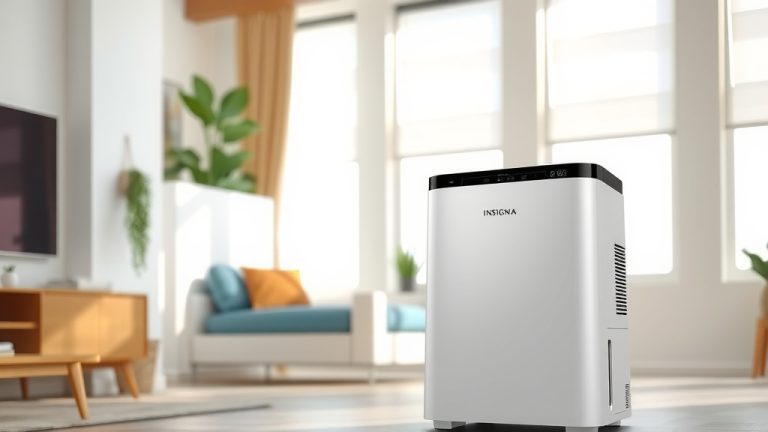
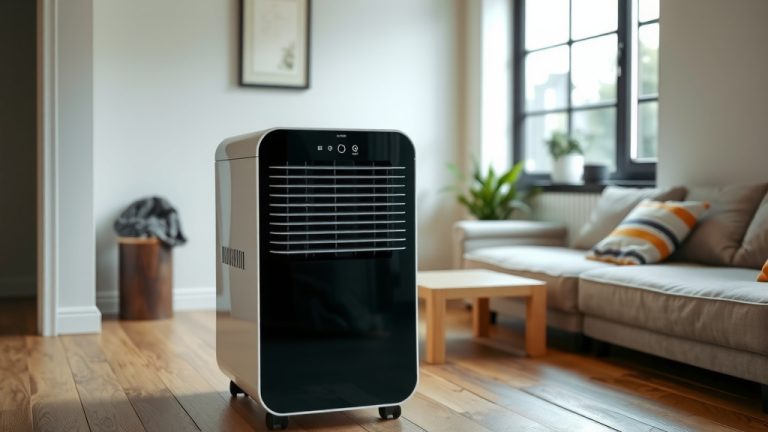
Even though they need a cord, you can still optimize your electric dehumidifier. Place it in the dampest part of the room, away from walls. Ensure windows and doors are closed. Consider setting up a continuous drain hose if you have a floor drain nearby; this means no more bucket emptying!
Many guidelines point to keeping your indoor humidity between 30% and 50% for comfort and health (Mayo Clinic).
Are Battery-Powered Dehumidifiers on the Horizon?
Technological advancements in battery life are happening all the time. However, the power required for a compressor-based dehumidifier is still a significant hurdle. While we might see more efficient designs, a truly cordless, high-capacity dehumidifier for a whole room remains a future dream.
For now, focus on optimizing your current humidity solutions. The existing technology simply cannot meet the demands of continuous, powerful dehumidification without a direct power source.
Checklist for Choosing a Dehumidifier
Before you buy, run through these points:
- Assess your space’s size in square feet.
- Determine your current humidity levels with a hygrometer.
- Decide on your desired humidity range (e.g., 40-50%).
- Consider how much noise you can tolerate.
- Plan for how the water will drain (bucket or hose).
- Set a realistic budget for the unit and its energy use.
Conclusion
While the idea of a cordless dehumidifier is appealing, true battery-powered options that can handle significant moisture in a room or basement do not exist. The power demands of effective dehumidification are simply too great for current battery technology to sustain. For tiny, enclosed spaces, small rechargeable desiccant absorbers are a neat trick, but they are no substitute for a powerful electric unit. For real, lasting humidity control in your home, a traditional plug-in dehumidifier remains the most effective and reliable solution.
What is the main difference between a “cordless” moisture absorber and an electric dehumidifier?
The main difference is how they remove moisture and their power source. A “cordless” moisture absorber uses absorbent materials like silica gel and requires no electricity for operation (though some need to be plugged in to “recharge” the desiccant). An electric dehumidifier uses a compressor and fan, actively cooling air to condense moisture, and must be plugged into a power outlet for continuous use.
Can a small rechargeable desiccant dehumidifier replace a standard electric unit in a damp basement?
No, a small rechargeable desiccant dehumidifier cannot effectively replace a standard electric unit in a damp basement. Desiccant units have very limited capacity and are designed for tiny, enclosed spaces like closets or safes. A basement requires a powerful electric dehumidifier to remove the large volumes of moisture effectively and prevent mold or mildew.
How do I know if my home needs a dehumidifier?
You might need a dehumidifier if you notice signs of high humidity. These include condensation on windows, a persistent musty odor, clammy feelings, mold or mildew growth, or peeling paint. Using a hygrometer to measure indoor humidity levels is also helpful; if it consistently reads above 50-60%, a dehumidifier could be beneficial.
Are there any health benefits to using a dehumidifier?
Yes, many experts say maintaining proper humidity levels with a dehumidifier can offer health benefits. It helps reduce allergens like dust mites and mold, which thrive in humid environments and can trigger allergies or asthma. It also creates a more comfortable breathing environment and can help prevent respiratory issues linked to high indoor moisture (NIH).
Is it more energy-efficient to use a portable dehumidifier or a whole-house system?
Generally, a whole-house dehumidification system, integrated with your HVAC, can be more energy-efficient for maintaining consistent humidity across an entire home. Portable units are efficient for specific damp rooms or areas. However, for isolated problems like a very damp basement, a dedicated portable unit might be more cost-effective than running a whole-house system throughout. The best choice depends on the scale and location of your humidity issues.