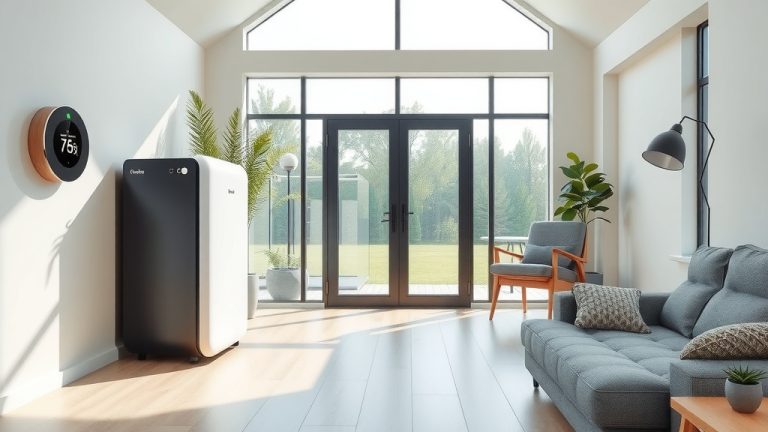
Can a Dehumidifier Be Added to a Furnace?
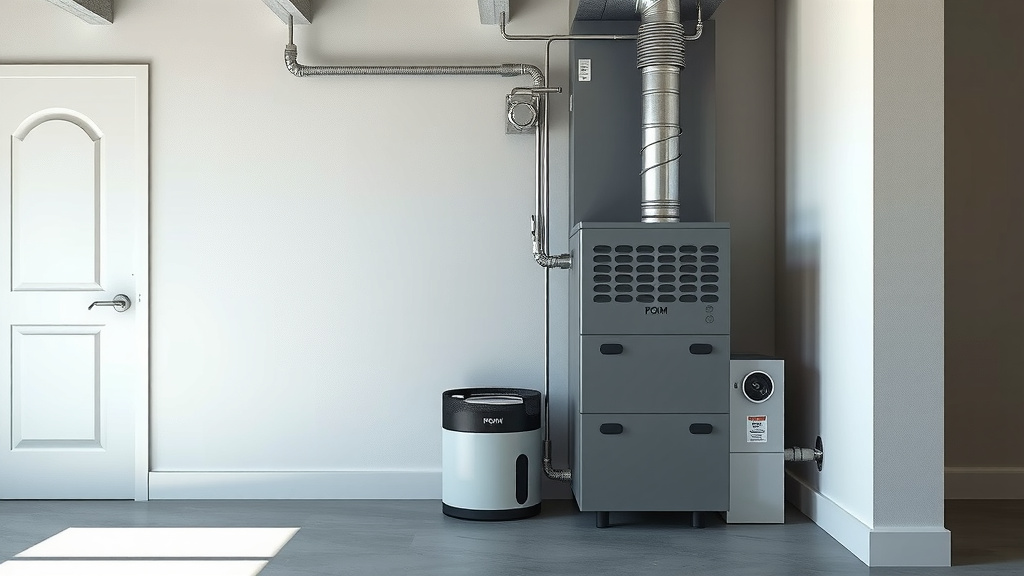
Yes, a dehumidifier can be added to a furnace system, often referred to as a whole-house dehumidifier. This setup effectively integrates humidity control directly into your home’s central HVAC system, allowing for consistent moisture removal throughout the entire living space.
Adding a whole-house dehumidifier to your furnace allows for efficient, automatic humidity management, often making your home feel more comfortable and protecting it from moisture-related issues without needing multiple portable units.
Here’s a quick look at what you’ll discover in this article:
- You can indeed add a whole-house dehumidifier to your furnace system for better home comfort.
- This integration offers superior humidity control compared to stand-alone units.
- Benefits include improved air quality, protection against mold, and reduced energy bills.
- Professional installation is generally recommended to ensure proper function and efficiency.
- Considering factors like your home’s size and current humidity levels is important before installation.
Can a Dehumidifier Be Added to a Furnace?
Absolutely, you can add a dehumidifier to your existing furnace system. This common upgrade involves installing a whole-house dehumidifier that works in tandem with your heating and cooling equipment.
It’s designed to regulate humidity levels throughout your entire home, offering a more consistent and hands-free solution than portable units.
Understanding Whole-House Dehumidifiers
What exactly is a whole-house dehumidifier? Unlike a portable unit, this system connects directly to your home’s ductwork. It draws moist air from your home, removes the excess water, and then sends drier air back through your vents.
This integration means humidity control happens seamlessly, almost invisibly, within your home’s climate system. Many homeowners find this a game-changer for comfort.
How They Work with Your HVAC
When you add a dehumidifier to your furnace, it essentially becomes a new component of your HVAC setup. It often operates independently of your air conditioning, meaning it can dehumidify even when it’s not cooling.
This is really useful during milder seasons when humidity is high but temperatures are not. You get comfort without turning on the AC (ASHRAE guidelines often support this).
Benefits of Integrating Dehumidification
Why go through the trouble of integrating? The benefits are quite substantial. Imagine a home that always feels fresh, not sticky or damp. That’s the primary perk.
It’s about more than just feeling good; it’s about protecting your home and your health too. We often find that this setup provides a noticeable difference in indoor comfort.
Improved Indoor Air Quality
High humidity is a friend to many unwanted guests, such as dust mites and mold spores. By keeping humidity levels in check, you create an environment where these allergens struggle to thrive.
Many research articles confirm that maintaining indoor humidity between 30% and 50% can significantly improve indoor air quality (EPA).
Protecting Your Home from Moisture Damage
Excess moisture can wreak havoc on your home. We’re talking about warped wood floors, peeling paint, and musty odors in carpets and upholstery. A whole-house dehumidifier acts as a shield against these issues.
It helps preserve your home’s structure and furnishings, saving you from costly repairs down the road. Isn’t that a relief?
Energy Savings and Efficiency
Did you know that moist air feels warmer than dry air at the same temperature? When your home is less humid, you might find yourself setting your thermostat a few degrees higher in summer while still feeling comfortable.
This means your air conditioner won’t have to work as hard, potentially leading to lower energy bills. It’s a win-win situation for comfort and your wallet.
When is a Whole-House Dehumidifier a Good Idea?
You might be wondering if this upgrade is right for you. Think about your current home environment. Do you often feel a clammy stickiness in the air?
Here’s a quick checklist to help you decide:
- You see condensation on windows or cold surfaces.
- You notice a musty or damp smell, especially in certain rooms.
- You or family members experience allergy symptoms more often at home.
- Your home feels warmer than the thermostat setting indicates.
- You live in a climate with consistently high humidity levels.
Choosing the Right Dehumidifier for Your Furnace
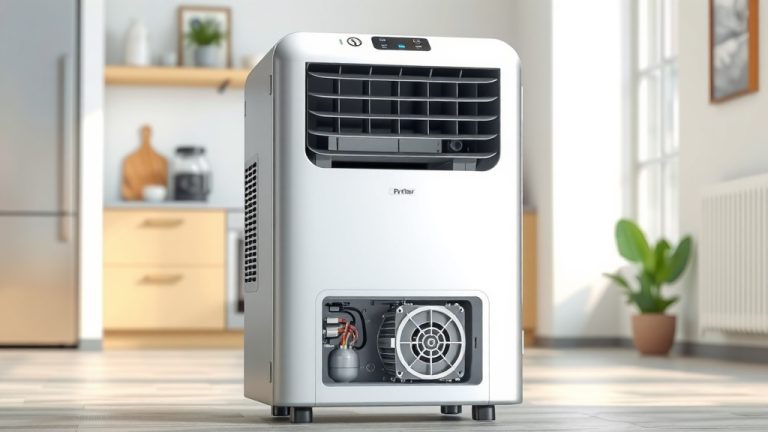
Not all dehumidifiers are created equal. When adding one to your furnace, you’ll generally look at whole-house models designed for central HVAC systems. These are typically rated by the amount of moisture they can remove per day, often in pints.
It’s important to consider your home’s square footage and climate zone. Many experts suggest sizing the unit appropriately for maximum effectiveness.
| Feature | Whole-House Dehumidifier | Portable Dehumidifier |
|---|---|---|
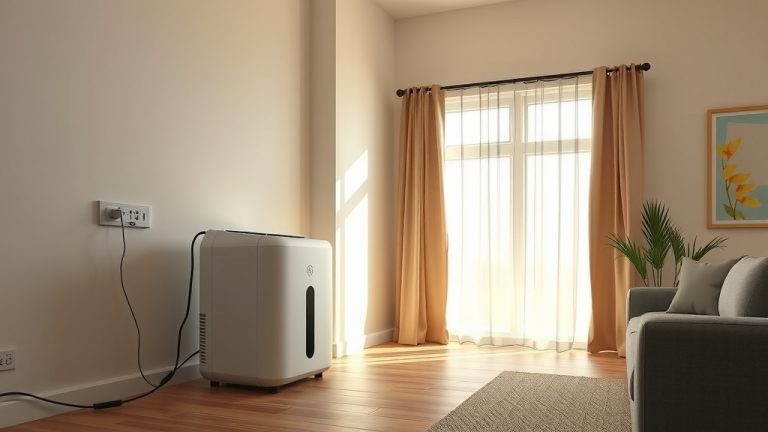
| Installation | Integrated with HVAC, professional install | Plug-and-play, no install needed |
| Coverage | Entire home, consistent humidity | Single room or small area |
| Water Drainage | Usually drains automatically to floor drain | Manual emptying of water tank |
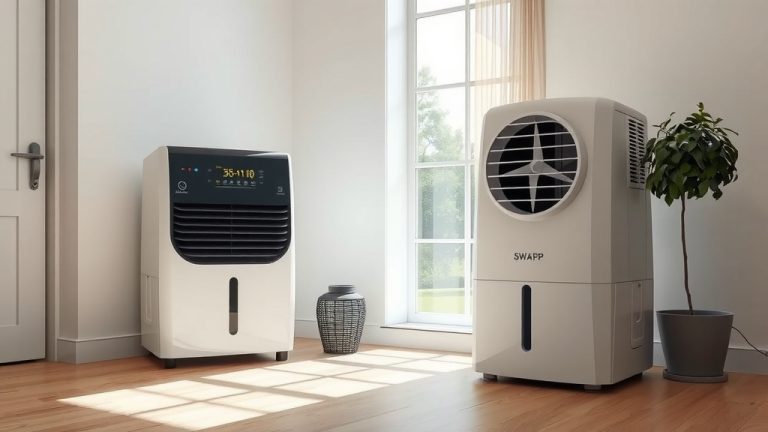
| Noise Level | Very quiet, out of sight | Can be noisy, within living space |
| Maintenance | Filter cleaning, professional checks | Filter cleaning, tank emptying |
The Installation Process
Adding a whole-house dehumidifier is not a DIY task for most homeowners. It involves connecting to your existing ductwork and often electrical systems.
A qualified HVAC technician will assess your system, select the correct model, and ensure proper installation for optimal performance and safety. This is where expertise truly matters (NATE certification is a good indicator).
Maintenance and Upkeep
Once installed, these units are fairly low maintenance. You’ll typically need to clean or replace the air filter periodically, just like your furnace filter.
Routine professional maintenance, usually part of your annual HVAC check-up, will ensure your dehumidifier runs efficiently for years to come. This helps prolong its lifespan.
Considering the Cost
The cost of adding a whole-house dehumidifier varies based on the unit’s capacity, brand, and installation complexity. While the initial investment is higher than a portable unit, many homeowners find the long-term benefits outweigh this.
Think about the energy savings, comfort improvements, and protection against home damage. It’s an investment in your home’s future and your family’s comfort.
Conclusion
Adding a dehumidifier to your furnace is a smart move for many homeowners seeking superior comfort and protection against excess moisture. This integrated solution provides consistent, whole-house humidity control that portable units simply cannot match.
By investing in this HVAC enhancement, you’re not just drying out the air; you’re creating a healthier, more comfortable, and more energy-efficient living environment for everyone under your roof. It’s a choice that pays dividends in comfort and peace of mind.
How do I know if my furnace can accommodate a whole-house dehumidifier?
Most modern furnace systems are compatible with whole-house dehumidifiers. However, it’s best to consult with a professional HVAC technician. They can assess your specific furnace model, ductwork, and space availability to confirm compatibility and recommend the right unit.
Will a whole-house dehumidifier affect my furnace’s performance?
No, a properly installed whole-house dehumidifier should not negatively affect your furnace’s performance. In fact, by reducing humidity, it can make your home feel more comfortable, potentially allowing your furnace (or AC) to run less often to achieve desired temperatures, thus improving overall system efficiency.
Can I install a whole-house dehumidifier myself?
While some homeowners are skilled in DIY projects, installing a whole-house dehumidifier is generally not recommended as a DIY task. It involves working with ductwork, electrical connections, and potentially plumbing for drainage, all of which require specialized knowledge to ensure proper and safe operation. Professional installation is strongly advised.
How much maintenance does a whole-house dehumidifier require?
Whole-house dehumidifiers require relatively low maintenance. Typically, you will need to clean or replace the air filter every few months, similar to your furnace filter. It’s also a good idea to have it inspected and serviced annually by an HVAC professional during your regular furnace or AC tune-up to ensure it’s running optimally.
Does a whole-house dehumidifier replace my air conditioner for cooling?
No, a whole-house dehumidifier does not replace your air conditioner for cooling. Its primary function is to remove moisture from the air, making your home feel cooler and more comfortable without necessarily lowering the temperature. Your air conditioner is still needed to provide actual temperature reduction, though a dehumidifier can help it run more efficiently.