Can a Dehumidifier Be Fixed?
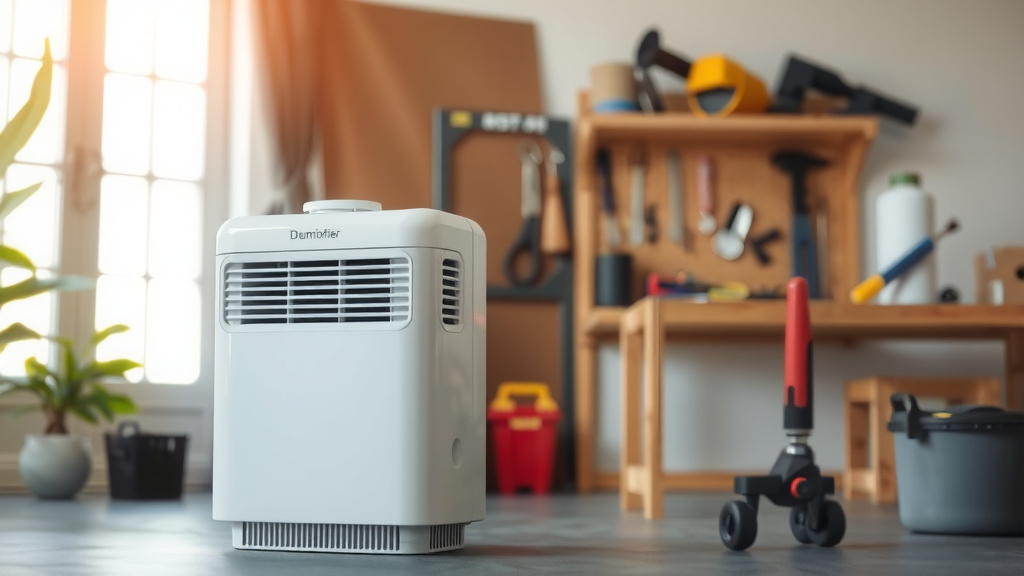
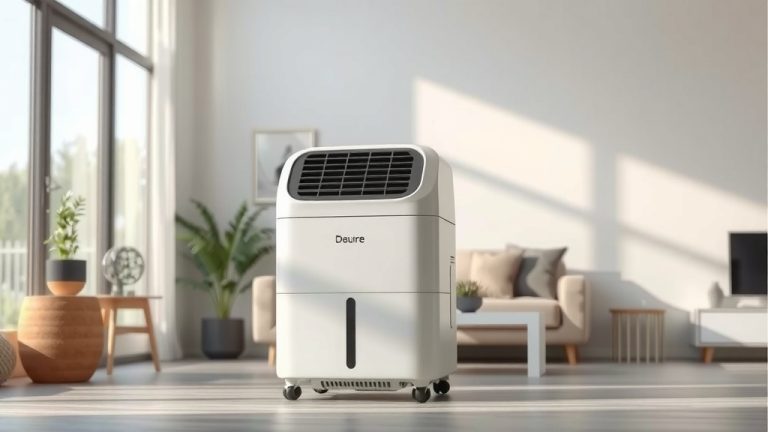
Yes, many dehumidifier issues can be fixed, especially simpler problems like a clogged filter or a full water bucket.
However, complex internal failures often make repairing a dehumidifier less cost-effective than buying a new unit.
- Simple dehumidifier problems often have easy, DIY fixes.
- Major component failures, such as a compressor issue, typically make repair too expensive.
- Always compare the repair cost with the price of a new dehumidifier before deciding.
- Regular cleaning and maintenance can prevent many common breakdowns.
- Consider your unit’s age and warranty status when facing a repair decision.
Can a Dehumidifier Be Fixed?
You’re probably wondering if that struggling dehumidifier of yours can get a second chance. The good news is, many common problems are quite fixable!
We found that smaller issues often have straightforward solutions. Thinking about the average lifespan of these units, sometimes a little attention goes a long way.
When is a Repair Possible?
Repairing your dehumidifier truly depends on the problem. Some issues are minor nuisances. Other problems, though, can be quite serious.
Generally, if it’s not cooling or running, it might be a simpler fix. If it’s making strange noises or leaking refrigerant, that’s a different story.
Common DIY Fixes You Can Try
Before calling for help, you can check a few things yourself. Many experts say these checks solve the most frequent complaints.
It’s like when your car won’t start; you first check if it has gas, right?
Clogged Air Filter: This is probably the most common culprit. A dirty filter blocks airflow.
Simply remove and clean or replace it. This can dramatically improve performance. Many manufacturers recommend this monthly (GE Appliances).
Full Water Bucket or Sensor Error: Your dehumidifier will stop working if its water collection bucket is full. It’s a safety feature.
Just empty the bucket. Sometimes, the bucket isn’t seated correctly, or the sensor needs a quick wipe.
Frozen Coils: If the coils are covered in ice, your unit can’t pull moisture effectively. This often happens in cooler rooms.
Turn the unit off and let it defrost naturally. Ensure the room temperature is above 65°F (18°C) for best operation.
Fan Not Working: If you hear the motor but no air movement, something might be blocking the fan.
Unplug the unit, then carefully check for obstructions like dust bunnies or debris. Sometimes, a tiny bit of build-up can halt the fan.
When is Professional Help Needed?
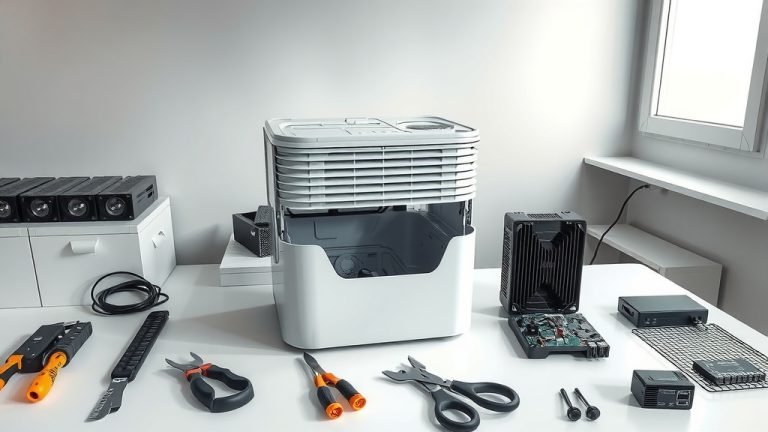
For more complex problems, you’ll likely need a trained technician. These jobs involve specialized tools and knowledge.
Messing with these parts yourself can be dangerous or cause more damage. It’s like trying to perform surgery after watching a YouTube video.
Understanding Your Dehumidifier’s Heart
Knowing a little about how your dehumidifier works helps you understand repairs. It’s essentially a small refrigerator for your air.
It pulls in humid air, cools it over coils to condense moisture, and then blows out drier air. The condensed water drips into a bucket.
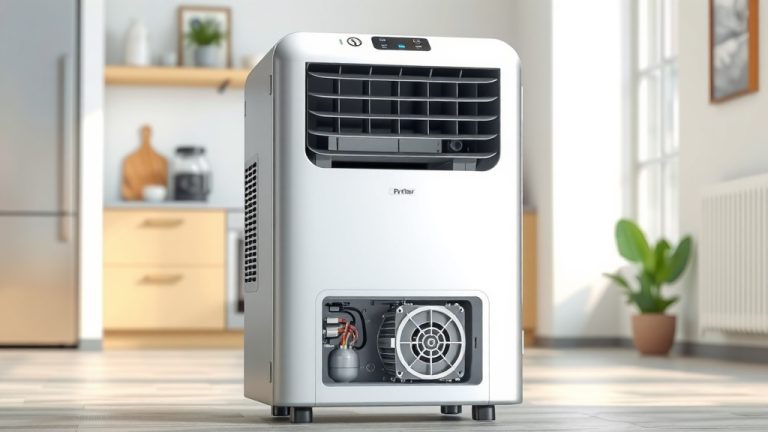
The Compressor’s Role: The compressor is the engine of your dehumidifier. It circulates the refrigerant.
If the compressor fails, it’s often the most expensive repair. We found that replacing a compressor usually isn’t cost-effective for typical home units.
Refrigerant and Coils: A leak in the refrigerant system means your unit can’t cool. This is a job for a professional.
It involves finding the leak, repairing it, and then recharging the refrigerant. This can be complex and pricey (EPA guidelines on refrigerants).
DIY vs. Pro Repair: The Cost Factor
Deciding between a DIY fix and professional repair often comes down to cost. Consider your comfort level with tools, too.
Sometimes, the repair cost can come close to buying a brand-new unit. Here’s a quick comparison:
| Problem Type | Likely Fix | Typical Cost / Effort |
|---|---|---|
| Clogged Filter | DIY (Clean/Replace) | Low (Cost of filter) |
| Full Water Bucket | DIY (Empty/Reseat) | None |
| Frozen Coils | DIY (Defrost) | None |
| Fan Motor Failure | Pro (Replace Motor) | Moderate |
| Refrigerant Leak | Pro (Repair/Recharge) | High |
| Compressor Failure | Pro (Replace Compressor) | Very High (Often not worth it) |
Is Fixing It Worth the Trouble?
This is the big question. Consider the total cost of repair versus a new unit. Think about the unit’s age and overall condition.
A good rule of thumb: if the repair cost is more than 50% of a new dehumidifier’s price, replacement might be better.
Age of the Dehumidifier: Older units (5+ years) might be nearing their natural end. Investing in major repairs might not make sense.
Newer models also come with better energy efficiency, which saves you money in the long run.
Availability of Parts: For older or discontinued models, finding replacement parts can be tough. This can make repairs impossible or very expensive.
Even if you find parts, they might be overpriced. This is a common challenge we found with aging appliances.
Preventive Maintenance: Your Best Defense
The best way to “fix” a dehumidifier is to prevent it from breaking. Regular maintenance extends its life.
It’s like giving your body good food and exercise; it helps avoid bigger problems later.
- Clean the Air Filter: Do this every month or so. It prevents clogs and keeps the unit running efficiently.
- Empty the Water Bucket Regularly: Don’t let it overflow, even if it has an auto-shutoff.
- Inspect for Leaks: Check the hose and bucket for any drips or cracks.
- Keep the Area Clear: Ensure there’s good airflow around the unit. Don’t block the intake or exhaust vents.
- Clean Coils if Dusty: Use a soft brush or vacuum to gently remove dust buildup from the coils.
Signs It Might Be Time for a New Dehumidifier
Sometimes, repairs just aren’t the answer. Knowing when to let go can save you time and money.
Look out for these clear signals that a new dehumidifier is calling your name:
- Your unit is consistently failing to remove moisture effectively.
- You’re facing frequent, expensive repairs for different issues.
- It’s operating much louder than it used to, or making grinding noises.
- Your energy bills are significantly higher than before, suggesting inefficiency.
- The unit is more than 7-8 years old; its efficiency has likely declined.
Conclusion
Many dehumidifier problems are quite fixable, especially if they involve simple maintenance tasks. You can often tackle issues like a clogged filter or a full water bucket yourself.
However, for bigger problems like a failed compressor or refrigerant leaks, professional help is necessary. Always weigh the repair cost against the price and energy efficiency of a new unit.
Regular maintenance is your strongest tool for keeping your dehumidifier running well. Sometimes, replacing an old, inefficient unit is the wisest choice for your home and your wallet.
Does a dehumidifier have a reset button?
Many dehumidifiers do have a reset function. Often, simply unplugging the unit for a few minutes and then plugging it back in will act as a soft reset. Some models might have a dedicated reset button, usually a small recessed one you push with a pen or paperclip. Always check your owner’s manual for specific instructions.
Why is my dehumidifier running but not collecting water?
If your dehumidifier is running but not collecting water, several things could be happening. The most common reasons include a clogged air filter, a room temperature that is too low for the unit to operate effectively (below 65°F / 18°C), or frozen coils. Less common but possible issues are a refrigerant leak or a faulty humidistat sensor.
Can I use my dehumidifier if the coils are frozen?
No, you should not continue to use your dehumidifier if the coils are frozen. Running it with frozen coils can damage the compressor and other internal components. The best course of action is to turn the unit off, unplug it, and allow the coils to completely defrost naturally before attempting to use it again. Ensure the room is warm enough when you restart it.
How often should I clean my dehumidifier filter?
We found that most manufacturers recommend cleaning your dehumidifier’s air filter at least once a month. If you live in a particularly dusty environment or use the unit very frequently, you might need to clean it every two to three weeks. Regular cleaning helps maintain efficiency and prolongs the life of your dehumidifier.
Is it worth buying used dehumidifier parts?
Buying used dehumidifier parts can sometimes save money, but it comes with risks. You might not get a warranty, and the part’s lifespan could be uncertain. For critical components like a compressor, new parts are generally recommended for reliability. For simpler items like a bucket or a fan cover, used parts might be a reasonable option.