Can a Dehumidifier Be Placed on Carpet?
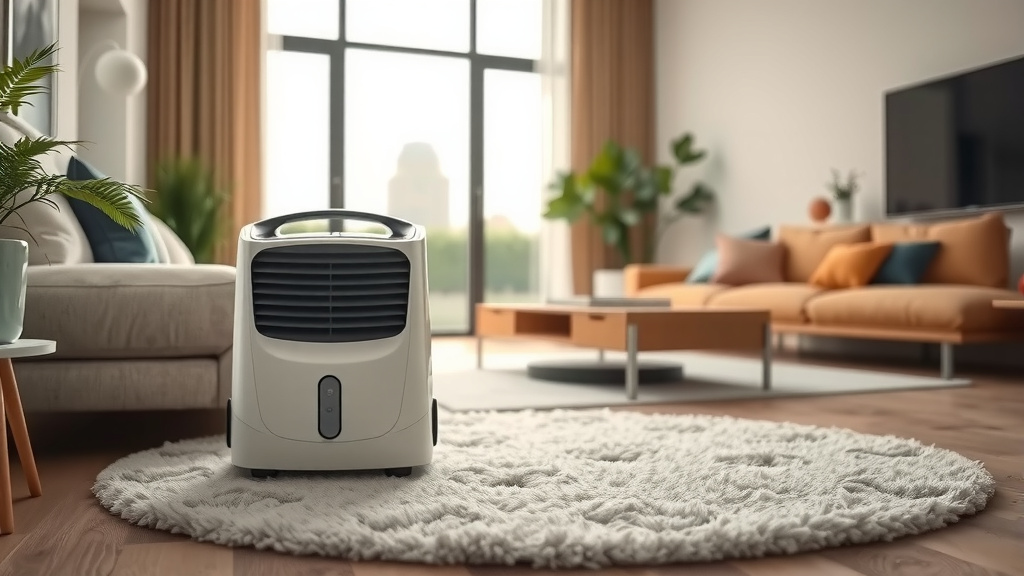
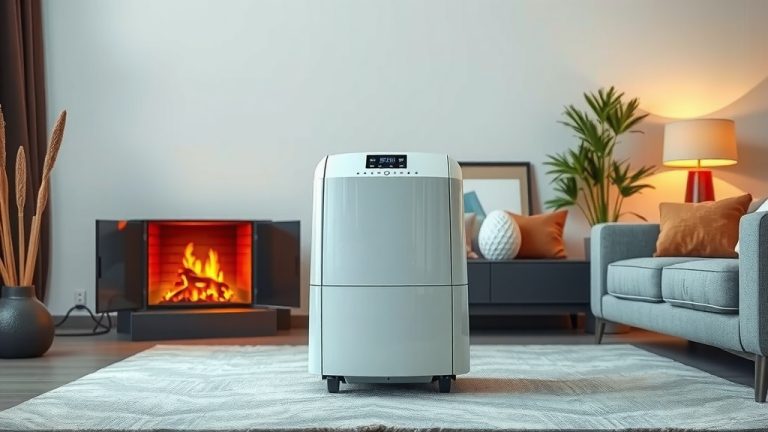
Yes, you can place a dehumidifier on carpet, but it’s often better to use a protective mat or tray underneath.
This simple step helps prevent potential damage to your carpet from accidental leaks or condensation, ensuring your dehumidifier works safely.
Here’s a quick summary to guide your dehumidifier placement decisions:
- Placing a dehumidifier on carpet is generally okay, but using a protective mat is smart.
- Mats prevent potential leaks, condensation, and carpet damage, helping extend its life.
- Good airflow is essential, so make sure carpet fibers do not block the appliance’s vents.
- Regularly emptying the water bucket and cleaning filters are key to safe operation anywhere.
- While convenient on carpet, considering a hard surface might offer optimal performance and safety.
Can a Dehumidifier Be Placed on Carpet?
Yes, placing a dehumidifier on carpet is usually fine for most models. You just need to take a few simple precautions. The main goal is to protect your flooring from any accidental water spills or condensation.
Why Even Ask About Carpet Placement?
It’s a really good question to ask yourself. You’re being smart by thinking ahead about potential issues. No one wants a surprise puddle or damaged carpet from an appliance meant to help. Let’s look at why this question comes up so often.
The Risk of Water Leaks
Dehumidifiers collect water from the air, right? This water goes into a collection bucket. Sometimes, though rarely, these buckets can overflow if forgotten. Or, a small leak might develop over time. Research shows that
water can damage carpet fibers
and the padding underneath (Carpet and Rug Institute).
Condensation Concerns
Think about a cold drink on a warm day; it “sweats.” Your dehumidifier, especially the coils inside, gets very cold. While the unit is designed to contain this, sometimes condensation can form on the outside too. If it sits directly on carpet,
that moisture can transfer
over time, creating damp spots.
The Airflow Factor
Dehumidifiers need to breathe, just like you do. They pull in moist air and push out drier air. If the air intake or exhaust vents are blocked, the unit can’t work efficiently. It might even overheat.
Keeping Vents Clear
When you place a dehumidifier on carpet, especially thick pile carpet, there’s a small chance the fibers could block the intake vents near the bottom. This is less common with most modern designs, but it’s
still worth checking
. Ensure there’s plenty of space around the unit for air to circulate freely.
Best Practices for Carpet Placement
So, you want to put your dehumidifier on carpet. Great! With a few easy steps, you can set it up safely and effectively. It’s all about creating a
small protective barrier
.
Using a Protective Mat or Tray
This is your number one safeguard. We found that placing a sturdy, waterproof mat or tray under the dehumidifier makes a big difference. Think of a
plastic appliance mat
, a heavy-duty serving tray, or even a boot tray. This catches any drips or overflows before they reach your carpet.
Ensuring Stability
Wobbly surfaces are never a good idea for any appliance that handles water. Make sure the dehumidifier sits
flat and stable
on the mat or tray. If it wobbles, the unit could tip, or the water bucket could spill. A level surface prevents these issues.
Benefits of Dehumidifiers in Carpeted Rooms
Despite the minor placement considerations, using a dehumidifier in a carpeted room is often very beneficial. Carpets can hold onto moisture, making a room feel damp. Your dehumidifier tackles this directly.
Combating Musty Odors
Ever notice a
“damp basement” smell
in a room, even if it’s not a basement? That’s often a sign of excess humidity and possibly mold growth in carpet or upholstery. A dehumidifier helps dry out the air, eliminating those musty smells.
Protecting Your Belongings
High humidity doesn’t just affect carpet. It can also damage furniture, books, electronics, and even clothes. By maintaining optimal humidity levels (typically 40-50%), you’re
extending the life of your items
and preventing potential mold damage.
Where Else Can You Place a Dehumidifier?
While carpet is manageable, some surfaces are naturally more forgiving. Knowing your options helps you pick the
best spot for your home
.
Hard Floors are Often Ideal
Areas with hard flooring, such as tile, concrete, or sealed hardwood, are often preferred. If a leak occurs, it’s
easier to spot and clean
on a hard surface. This reduces the risk of long-term damage. Many experts suggest these locations for peace of mind.
Here’s a quick comparison of placement options:
| Placement Surface | Pros | Cons / Considerations |
|---|---|---|
| Carpet | Convenient, less noisy, good for carpeted rooms. | Risk of leaks/condensation, potential airflow blockage. |
| Hard Floor | Easy to clean spills, better stability, no airflow worries. | Can be noisier, potential for minor floor scuffs. |
| Elevated Platform | Excellent for drainage (if hose used), keeps unit off floor. | Requires sturdy platform, may be less stable. |
Maintenance Tips for Dehumidifiers on Carpet
Regardless of where you place your dehumidifier, good maintenance is key. When it’s on carpet, these tips become even more important for
trouble-free operation
.
Regular Water Bucket Emptying
This seems obvious, right? But life gets busy! Make a habit of checking and emptying the water bucket regularly. If your unit has a hose drain option, consider using it if a floor drain is nearby. We found that
consistent emptying prevents overflows
.
Cleaning Filters
A clean filter means your dehumidifier works efficiently and uses less energy. When dust and carpet fibers build up, airflow is restricted. Many models have
washable filters
that you can rinse and air dry. Check your manual for specific instructions.
Here’s a quick checklist for dehumidifier placement on carpet:
- Choose a sturdy, level spot.
- Place a waterproof mat or tray underneath the unit.
- Ensure all vents are clear for optimal airflow.
- Regularly check and empty the water collection bucket.
- Clean the air filter often to maintain efficiency.
- Monitor for any signs of condensation or leaks.
Conclusion
Placing a dehumidifier on carpet is absolutely doable and often necessary to maintain healthy indoor air quality. By simply adding a protective mat or tray underneath and ensuring proper airflow, you can prevent any potential issues. These small precautions allow your dehumidifier to work effectively, keeping your home comfortable and free from excess moisture, all while protecting your carpet. Just remember, a little prevention goes a long way in ensuring your home environment stays dry and pleasant.
How far should a dehumidifier be from a wall?
For optimal airflow and efficiency, aim to place your dehumidifier at least 6-12 inches away from any walls or furniture. This distance ensures that air can circulate freely around the unit, allowing it to pull in moist air and release dry air without obstruction.
Can a dehumidifier cause carpet to smell?
No, a dehumidifier itself should not cause your carpet to smell. In fact, it typically helps eliminate musty odors by reducing moisture that encourages mold and mildew growth in carpets. If your carpet smells after using a dehumidifier, check the unit for internal issues or if the carpet was already damp and developing odors before use.
Is it okay to run a dehumidifier 24/7?
Yes, it’s generally okay to run a dehumidifier 24/7, especially in very humid environments or during peak humidity seasons. Many modern units are designed for continuous operation. However, monitor the humidity levels; once optimal levels (40-50%) are reached, you might consider running it intermittently or using its humidistat to maintain the desired setting automatically.
Can a dehumidifier prevent mold in carpet?
A dehumidifier is a powerful tool in preventing mold growth in carpets and other areas of your home. Mold thrives in high humidity environments (above 60%). By keeping indoor humidity levels between 40-50%, a dehumidifier creates conditions unfavorable for mold spores to germinate and grow, thus significantly reducing the risk in your carpet.
What is the best way to drain a dehumidifier on carpet?
When operating a dehumidifier on carpet, the safest way to drain it is to regularly empty the collection bucket by hand. If your unit has a continuous drain option and you have access to a nearby floor drain, you can use a hose, but ensure the hose is securely connected and sloped downwards without kinks to prevent leaks. Always use a protective mat under the unit for added safety.