Can a Dehumidifier Be Stored in Freezing Temperatures?
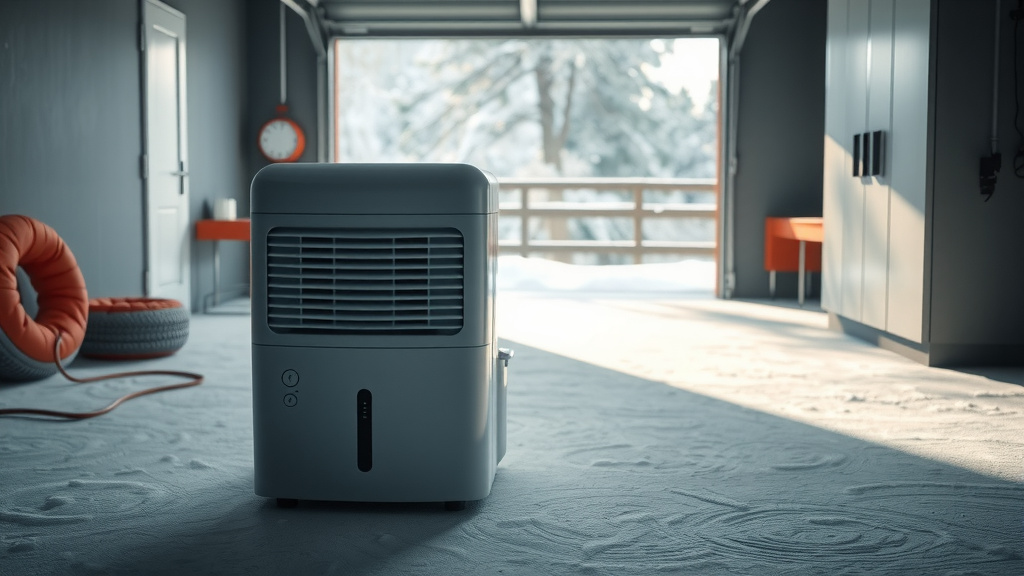
No, you should not store a dehumidifier in freezing temperatures, as it can cause significant damage to its internal components and operational integrity.
Exposure to freezing conditions risks internal coils rupturing, lubricant thickening, and electrical system failures, making proper winterization essential.
TL;DR: Here’s the essential lowdown on storing your dehumidifier in cold weather:
- Never store your dehumidifier in temperatures below freezing; it invites significant damage.
- Water left inside can freeze, expand, and crack vital coils and lines.
- Cold temperatures thicken internal lubricants, straining the compressor motor.
- Always drain and thoroughly dry your unit before storing it in a stable, warm environment.
- If your unit was frozen, thaw it slowly and inspect for damage before restarting.
Can a Dehumidifier Be Stored in Freezing Temperatures?
Simply put, no, storing a dehumidifier in freezing temperatures is a bad idea. Doing so can seriously harm its delicate internal workings.
You’ll want to keep your unit in a stable, temperate environment during its downtime to prevent costly repairs or replacement.
Why Freezing Temperatures Are Bad News for Your Dehumidifier
Imagine a cold winter night, and you leave a full bottle of water in the freezer. What happens? It expands, right? The same principle applies to your dehumidifier, but with far worse consequences.
Inside your unit, there are coils and lines that can retain moisture. This unseen water is the main culprit when temperatures drop below freezing.
The Threat of Expanding Water
Even if you try to drain your dehumidifier, some residual water often remains. This small amount of water becomes a big problem when it freezes.
Water expands as it turns to ice. This expansion can cause internal coils, tubes, and even the collection tank to crack or rupture (Consumer Reports).
Such damage often leads to leaks when you try to use the unit again, or even complete operational failure.
Lubricant Problems and Motor Stress
Your dehumidifier’s compressor, much like a car engine, relies on specific lubricants to run smoothly. These lubricants are designed for warmer operating temperatures.
In freezing conditions, we find that these lubricants can thicken significantly. This makes it much harder for the compressor motor to start and operate efficiently (manufacturer guidelines).
This added stress can lead to motor burnout or a reduced lifespan for your appliance.
Electrical Components at Risk
Modern dehumidifiers are packed with sensitive electronics. Extreme cold can affect these components in various ways.
Some experts say that wiring insulation can become brittle, leading to cracks and potential shorts. Capacitors and other electronic parts may also suffer damage, affecting the unit’s ability to power on or function correctly.
Recognizing the Signs of Freeze Damage
What if you forgot and accidentally left your dehumidifier out in the cold? Don’t panic just yet. First, you need to know what to look for.
Being able to identify potential freeze damage can save you from further issues or help you decide if a repair is needed.
Visible Damage and Leaks
After your unit thaws, inspect it carefully. Look for any visible cracks on the plastic casing, especially around the water collection bucket.
More critically, check for signs of water leakage from the bottom or sides of the unit once it’s thawed and operating. Even a small leak can indicate a ruptured internal line.
Unusual Noises or Poor Performance
When you eventually plug in and start a unit that was exposed to cold, listen closely. Are there any new, unusual noises?
A grinding or straining sound might point to a struggling compressor motor. If the unit runs but doesn’t seem to collect much water, or the air coming out isn’t dry, its efficiency may be compromised.
Preparing Your Dehumidifier for Cold Storage
Prevention is always better than a cure, especially with appliances. Proper storage preparation is key to ensuring your dehumidifier is ready for action next season.
Think of it like winterizing your garden tools – a little effort now saves a lot of headaches later.
Step 1: Drain All Water Completely
This is the most critical step. Disconnect the drain hose (if using one) and empty the water collection bucket fully.
Shake the unit gently to dislodge any remaining drops of water from the coils and internal tray. You really want to aim for zero standing water.
Step 2: Clean Your Unit Thoroughly
While you’re at it, give your dehumidifier a good cleaning. Remove and wash the air filter according to the manufacturer’s instructions (many experts suggest warm, soapy water).
Wipe down the exterior and the inside of the water bucket to prevent mold or mildew from developing during storage.
Step 3: Allow for Complete Drying
After draining and cleaning, let your dehumidifier air dry for at least 24-48 hours in a warm room.
You can even run it on fan-only mode for an hour or two to help evaporate any lingering moisture inside the coils.
Step 4: Choose the Right Storage Location
Select a storage spot where temperatures remain consistently above freezing. A heated basement, a spare closet, or a warm garage are good options.
Avoid unheated sheds, attics, or outdoor storage units that might dip below 32°F (0°C) during winter.
Step 5: Cover and Protect
Once dry and clean, consider covering your dehumidifier with a plastic bag or a dedicated appliance cover.
This protects it from dust, dirt, and potential pests during its storage period, keeping it pristine for its next use.
What if My Dehumidifier Was Exposed to Freezing?
Accidents happen! If you suspect your dehumidifier has frozen, don’t just plug it in and turn it on. That could cause even more damage.
There’s a careful process to follow to assess the situation and hopefully prevent further harm.
The “Thaw and Test” Approach
Bring the dehumidifier into a warm room and let it sit for at least 24-48 hours. This allows any ice inside to melt completely and for the lubricants to warm up.
Do not try to rush the thawing process with external heat sources like a hairdryer; this could warp plastic components.
After it’s completely thawed, plug it in and try running it on its lowest setting, watching closely for any leaks or strange noises. If it seems fine, gradually increase its use.
When to Call a Professional
If you observe significant leaks, hear loud grinding or knocking sounds, or the unit simply won’t turn on after thawing, it’s probably time to call a qualified appliance repair technician.
Trying to fix complex internal issues yourself could void warranties or create bigger problems. Many experts say that compressor or coil damage from freezing is often beyond a DIY fix.
Best Practices for Off-Season Dehumidifier Care
Taking care of your dehumidifier when it’s not in use is just as important as maintaining it during peak season. Here’s a simple checklist:
- Thoroughly drain all water from the reservoir and internal components.
- Clean the air filter and wipe down the unit to prevent mold growth.
- Allow ample drying time in a warm environment before storage.
- Store in a climate-controlled space where temperatures stay above freezing.
- Cover the unit to protect it from dust and debris during storage.
- Periodically check on it during long storage periods for any issues.
Here’s a quick overview of ideal versus problematic storage:
| Storage Condition | Impact on Dehumidifier |
|---|---|
| Heated Basement (50-70°F) | Ideal; stable temperature prevents freezing and component stress. |
| Climate-Controlled Closet | Excellent; consistent warmth, protects electronics and lubricants. |
| Unheated Garage (<32°F) | High risk; water freezing, coil damage, lubricant thickening. |
| Outdoor Shed (<32°F) | Extreme risk; direct exposure to freezing and harsh elements. |
Conclusion
Storing your dehumidifier correctly is a simple yet vital step in ensuring its longevity and performance. Freezing temperatures are a dehumidifier’s arch-nemesis, capable of inflicting serious and often irreversible damage.
By taking a few preventative measures—draining, cleaning, drying, and finding a warm, stable storage spot—you’re doing your part to protect your investment. Your dehumidifier works hard to keep your home comfortable, so give it the care it deserves when it’s off duty. A little foresight goes a long way in preventing future headaches and repair bills.
FAQs
Can I store my dehumidifier in an unheated garage during winter?
No, an unheated garage is generally not recommended for storing a dehumidifier during winter. Temperatures in such spaces can easily drop below freezing, risking internal damage to your unit from residual water and cold-thickened lubricants.
How long should I let my dehumidifier dry before storing it?
After draining and cleaning, it’s best to let your dehumidifier air dry for at least 24 to 48 hours in a warm environment. This ensures any remaining moisture inside the coils and components has a chance to evaporate fully.
What happens if I accidentally leave water in my dehumidifier during freezing weather?
If water is left inside and freezes, it expands. This expansion can cause internal components like the evaporator coils, condensate lines, or even the water bucket to crack or rupture. This often leads to leaks and operational issues when the unit is used again.
Can a dehumidifier recover after being frozen?
Sometimes. If your dehumidifier was exposed to freezing temperatures, bring it indoors to a warm room and let it thaw completely for 24-48 hours. After thawing, inspect it for visible damage and then carefully test it. If you notice leaks, unusual noises, or poor performance, professional repair might be needed.
Does extreme cold affect a dehumidifier’s warranty?
Many manufacturers consider damage from improper storage, including exposure to freezing temperatures, to be user negligence. This type of damage may not be covered under your appliance’s warranty, leading to out-of-pocket repair or replacement costs.