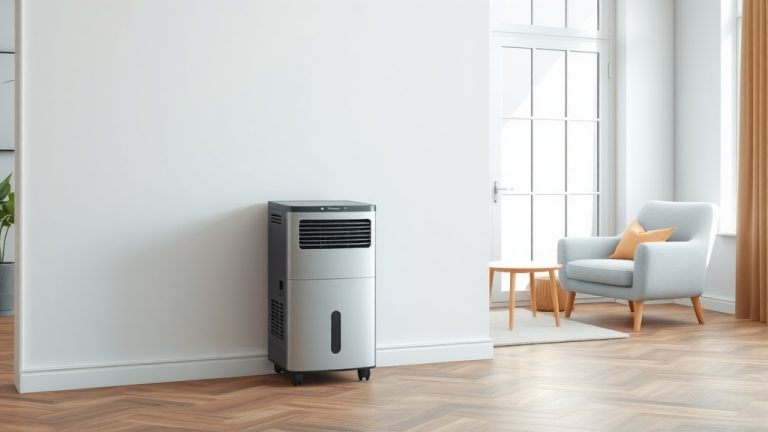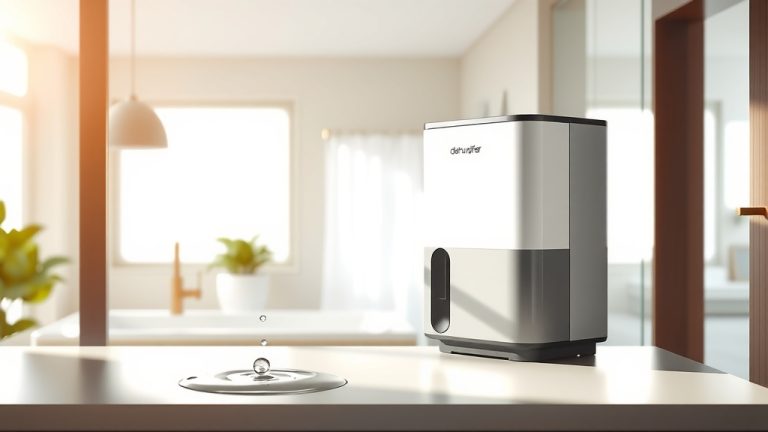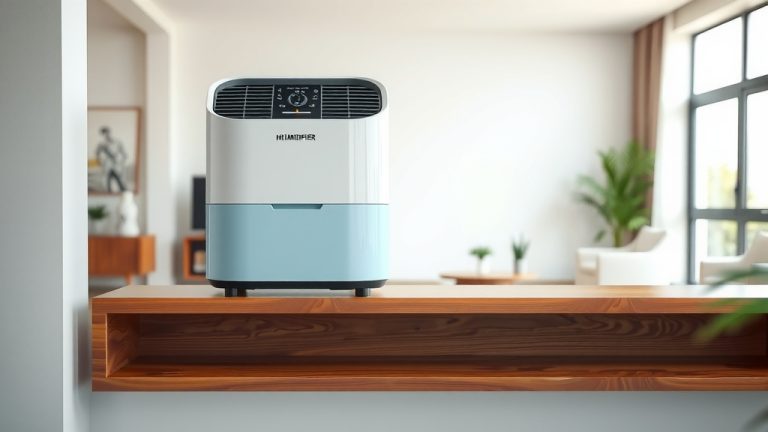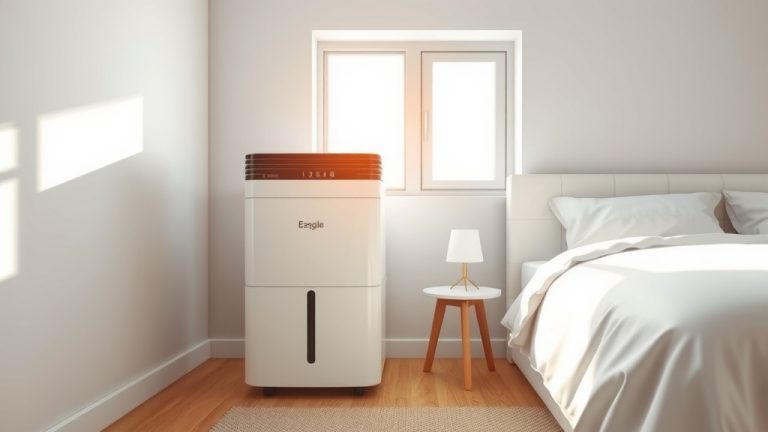
Can a Dehumidifier Be Used as a Heater?
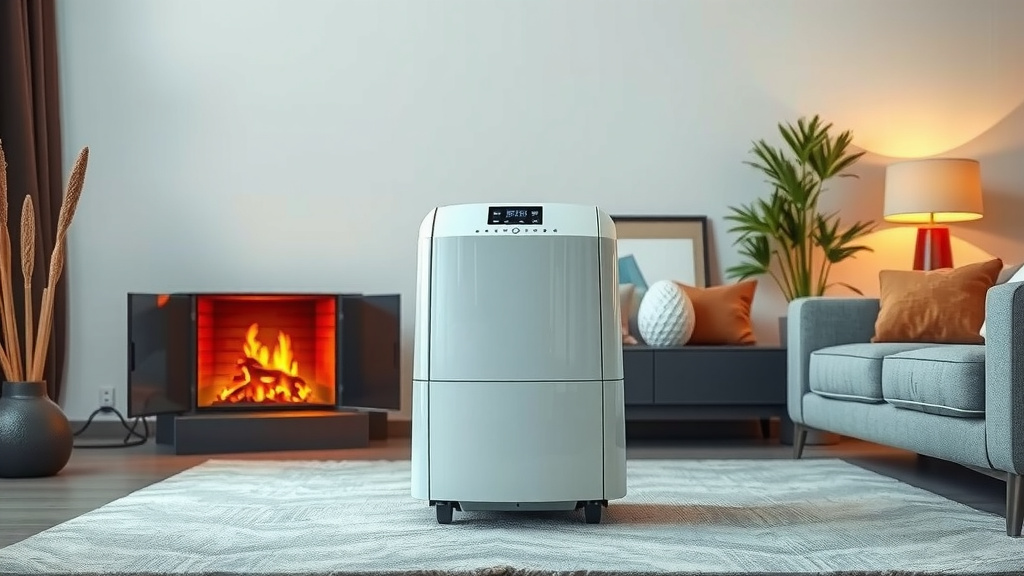
No, a dehumidifier is not designed to be used as a heater. Its primary function is to remove moisture from the air, not to increase room temperature significantly.
While a dehumidifier does produce a small amount of waste heat during operation, this heat is an inefficient byproduct and insufficient to effectively warm a living space.
Here’s a quick overview of what you’ll discover about dehumidifiers and heat:
- Dehumidifiers extract moisture, producing minimal heat as a side effect.
- They are not energy-efficient for heating your home or office.
- Using one as a heater wastes energy and won’t make you comfortable.
- Their real value lies in controlling humidity, preventing mold, and improving air quality.
- Understanding their true purpose helps you create a healthier indoor environment.
Can a Dehumidifier Be Used as a Heater?
You might wonder if your dehumidifier can pull double duty and warm up a chilly room. The straightforward answer is no, it cannot. Dehumidifiers are engineered for one specific job: drying out damp air.
Their design focuses on moisture removal, not on generating heat efficiently for your comfort. Thinking of it as a heater might lead to disappointment and higher energy bills.
Understanding How a Dehumidifier Works
Imagine your dehumidifier as a tiny, dedicated moisture magnet. It pulls humid air from the room over a cold coil. This coil condenses the water vapor into liquid water, much like a cold glass of water “sweats” on a hot day.
After the moisture is gone, the now-dry air passes over a warmer coil before being released back into the room. This process is highly effective for reducing humidity levels.
The Science Behind Moisture Removal
The core principle is simple refrigeration. We found that most dehumidifiers use a fan to draw in air and a compressor to cool a set of coils (Energy Star guidelines). This cooling process is key to extracting water vapor from the air.
Your unit then collects this water in a bucket or drains it away. The drier air then cycles back into your space, feeling fresher and less muggy.
The Heat Dehumidifiers Produce
It’s true that a dehumidifier does release some heat back into the room. This happens because the compressor motor generates heat as it works, and the coils that re-warm the air are part of the process.
Think of it like any electrical appliance; your refrigerator or computer also gives off a bit of warmth. It’s an unavoidable part of their operation, not their main goal.
Is This Heat Intentional?
Absolutely not. We found that the heat produced by a dehumidifier is a waste byproduct. It is not an intentional feature to warm your home.
Manufacturers design these units to be efficient at removing moisture, not to compete with space heaters. Any warmth you feel is simply residual energy from the unit working hard.
Dehumidifier vs. Space Heater: What’s the Difference?
Let’s clear up this common confusion. A space heater is built to directly convert electrical energy into heat. It has heating elements specifically designed to radiate warmth into a room, making you feel toasty quickly.
A dehumidifier, conversely, uses its energy to run a fan and a compressor to remove water. The tiny bit of heat it produces is an afterthought, not its reason for being.
Energy Consumption Compared
If you’re looking to save money and stay warm, a dehumidifier is the wrong tool. Many experts agree that using a dehumidifier for heat is highly inefficient. They consume a good amount of electricity to dehumidify, and very little of that energy translates into useful warmth.
In contrast, a dedicated space heater delivers focused, powerful heat with much greater energy efficiency for its heating purpose. You get more bang for your buck when you use the right appliance for the job.
Why You Shouldn’t Rely on a Dehumidifier for Heat
Imagine trying to dry your hair with a leaf blower. It might move some air, but it won’t give you the focused heat you need. Similarly, a dehumidifier won’t give you effective warmth.
You’d just be running it constantly, using more electricity than a heater, and still feel cold. It’s a classic case of using the wrong tool, leading to frustration and wasted resources.
When Might a Room Feel Warmer with a Dehumidifier?
Sometimes, after running a dehumidifier, you might feel like the room is slightly warmer. This is usually more about perception than actual significant heat gain. It’s a subtle shift, not a noticeable warming effect.
The unit itself emits a bit of warmth, and reducing humidity can make a cool room feel less damp and clammy. This change in comfort might trick you into thinking it’s warmer.
The Effect of Dry Air on Comfort
Dry air can often feel more comfortable than humid air, even at the same temperature. When humidity is high, sweat doesn’t evaporate as easily from your skin, making you feel sticky and warmer than you actually are. That clammy feeling can make a room feel colder in winter, too.
By removing excess moisture, a dehumidifier helps your body regulate its temperature more effectively. This sensation of being “less cold” or simply more comfortable can be mistaken for the room getting warmer, according to research on thermal comfort.
The Real Purpose of Your Dehumidifier
Your dehumidifier is a champion at fighting dampness. Its true calling is to protect your home from the damaging effects of excess moisture. Think of it as a guardian against mold, mildew, and musty odors.
It helps create a healthier living environment for you and your family. That’s a pretty important job, don’t you think?
Benefits Beyond Just Dry Air
The advantages of proper humidity control are many. Here are some key benefits you gain:
- Prevents Mold Growth: Mold thrives in damp conditions. A dehumidifier keeps surfaces dry, making mold growth less likely.
- Reduces Dust Mites: These tiny creatures also love humid environments. Lowering humidity helps keep their populations down.
- Protects Belongings: High moisture can damage wood furniture, electronics, and books. Dry air helps preserve your possessions.
- Improves Air Quality: By reducing mold spores and dust mites, you breathe easier. Many people with allergies find relief.
- Eliminates Musty Odors: That damp, stale smell often comes from mildew. A dehumidifier tackles the source.
Optimizing Your Dehumidifier’s Performance
To get the most out of your dehumidifier, place it in the dampest areas of your home, like basements or laundry rooms. Make sure its air intake and exhaust aren’t blocked, allowing for good airflow.
Regularly empty the water bucket and clean the air filter. This simple maintenance ensures it works efficiently, focusing on its core task: keeping your air dry and healthy. Don’t expect it to serve as a heater; just let it do its fantastic dehumidifying job.
| Feature | Dehumidifier | Space Heater |
|---|---|---|
| Primary Function | Removes moisture from air | Generates heat for warmth |
| Heat Output | Minimal, inefficient byproduct | High, efficient primary output |
| Energy Use for Heating | Very inefficient | Efficient for its purpose |
| Best Use Case | Humidity control, mold prevention | Room warming, supplemental heat |
| Indoor Air Quality Impact | Reduces allergens, prevents mold | No direct impact on moisture levels |
Your Checklist for a Healthy Home Environment
- Regularly check humidity levels (aim for 30-50%).
- Run your dehumidifier in damp areas like basements.
- Ensure proper ventilation in kitchens and bathrooms.
- Fix any leaks or water intrusions promptly.
- Use exhaust fans when showering or cooking.
- Clean up spills and dampness immediately.
Conclusion
So, can a dehumidifier be used as a heater? We’ve explored this question thoroughly, and the answer is clear: a dehumidifier is not a heating appliance. While it does produce a little warmth as a side effect, relying on it for heat is impractical and wasteful. Its true value lies in its dedicated ability to control humidity, safeguarding your home from moisture damage and improving air quality.
For warmth, you should always turn to a dedicated space heater or your home’s central heating system. Understanding the unique role of each appliance helps you create the most comfortable and healthy living space possible. Choose the right tool for the right job, and you’ll be happier, warmer, and drier!
Can a dehumidifier make a room feel colder?
Yes, a dehumidifier can sometimes make a room feel slightly cooler. While the unit itself expels a small amount of warm air, its primary function of removing moisture can make the air feel less muggy. Drier air can evaporate sweat more efficiently, leading to a sensation of being cooler or less sticky, particularly in very humid conditions.
Is it expensive to run a dehumidifier all the time?
Running a dehumidifier continuously can certainly add to your electricity bill. The exact cost depends on your unit’s size, its energy efficiency (look for Energy Star certified models), your electricity rates, and how high your humidity levels are. For optimal use, run it only when humidity levels are consistently above 50% to balance energy consumption with effective moisture control.
Will a dehumidifier help with condensation on windows?
Absolutely! Condensation on windows is a classic sign of high indoor humidity. A dehumidifier directly tackles this problem by removing excess moisture from the air. By lowering the overall humidity in your home, it reduces the amount of water vapor available to condense on cold surfaces like windows, helping to keep them clear and dry.
Can I put a dehumidifier in my bedroom?
Yes, you can place a dehumidifier in your bedroom, especially if you experience dampness, musty smells, or condensation there. Many people find that lower humidity improves sleep quality and reduces allergy symptoms. Just choose a model with a low noise level if you are sensitive to sound, and ensure proper placement for good airflow.
Does a dehumidifier dry out the air too much?
A good dehumidifier should have an adjustable humidistat, allowing you to set your desired humidity level (typically 30-50%). If you set it too low or if the unit runs constantly without a humidistat, it could dry out the air excessively. This might lead to discomfort like dry skin, irritated throats, or static electricity. Always aim for a balanced humidity level for optimal comfort and health (NIH guidelines).