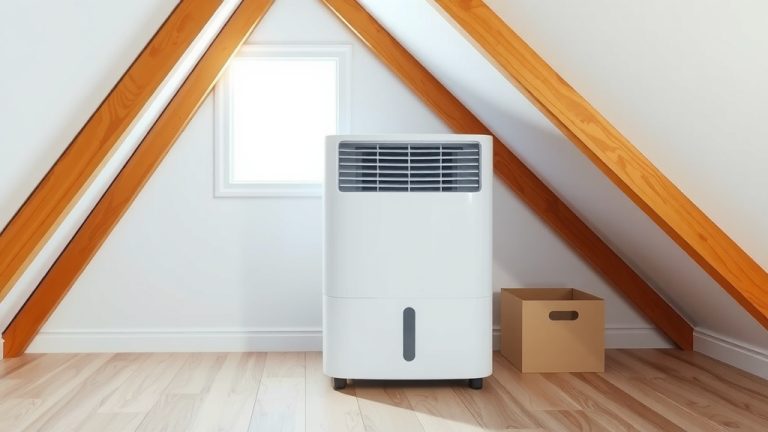
Can a Dehumidifier Cause Dry Mouth?
Yes, a dehumidifier can sometimes contribute to dry mouth, particularly if your indoor humidity levels become too low.
When the air lacks sufficient moisture, your body, including your mouth, can feel drier than usual as it loses moisture to the surrounding environment.
- Dehumidifiers work by pulling excess moisture from your air, aiming for a healthier indoor climate.
- While beneficial for preventing mold and mildew, overly dry air can lead to discomfort, including a dry mouth.
- Maintaining a balanced indoor humidity, ideally between 30% and 50%, is crucial for comfort and health.
- Simple adjustments to your dehumidifier settings and personal hydration habits can easily prevent dry mouth.
- Listen to your body and adjust your environment to find your perfect moisture balance.
Can a Dehumidifier Cause Dry Mouth?
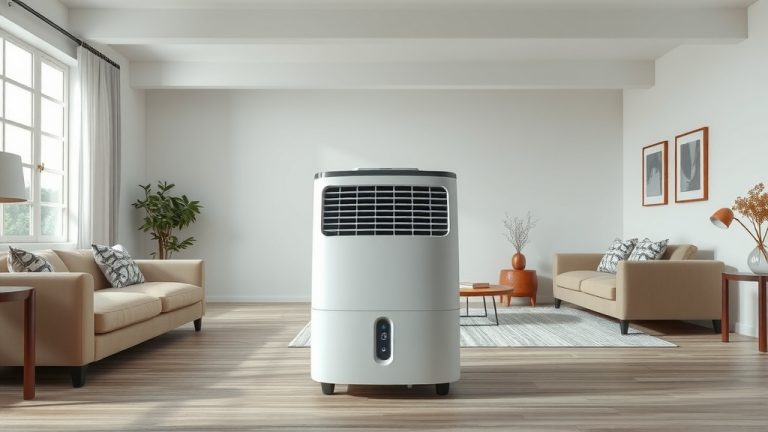
Yes, a dehumidifier certainly can cause dry mouth. While these machines are fantastic for battling excess moisture, they can sometimes overdo it. Think of your dehumidifier like a super-efficient sponge. It soaks up humidity, but if it dries out your air too much, your body starts to feel it.
Understanding How Dehumidifiers Work
Dehumidifiers pull moisture from the air, much like a refrigerator cools food. They draw in humid air, pass it over a cold coil, and condense the water into a collection tank. This process is great for preventing mold and creating a more comfortable home.
Many homes struggle with high humidity, especially in basements or during muggy seasons. A dehumidifier offers a real solution here, making your living space feel much better.
The Role of Humidity in Your Health
Our bodies thrive in a balanced environment. Your mouth, nose, and skin all need a certain level of moisture to function properly. When the air is too dry, it can feel like a desert for your mucous membranes.
Research consistently shows that ideal indoor humidity levels are key for comfort and health (EPA). Too much or too little moisture can throw things out of balance.
What Happens When Air Gets Too Dry?
Imagine a parched desert. That’s what your body can feel like when humidity drops too low. Your mouth and throat are always working, so they are often the first to feel the effects.
We found that common signs of very dry air include a scratchy throat, irritated nasal passages, and, yes, a noticeable dry mouth.
Why Your Mouth Might Feel Like Cotton
Your salivary glands constantly produce saliva to keep your mouth moist. This is essential for talking, chewing, and digestion. When the air around you is extremely dry, that moisture evaporates faster than your body can replace it.
This rapid evaporation leads to that unpleasant feeling of cotton mouth. It’s your body’s way of telling you something isn’t quite right with the air around you.
The Impact on Sleep and Overall Comfort
Have you ever woken up with an uncomfortably dry mouth or a sore throat? Your dehumidifier might be working overtime while you sleep. Our bodies are often less efficient at regulating moisture during deep sleep.
Many experts say that maintaining a good humidity level is vital for restful sleep and overall well-being (Mayo Clinic).
Finding the Right Humidity Balance
The sweet spot for indoor humidity is typically between 30% and 50%. This range is usually comfortable for most people and helps prevent mold without drying things out too much.
Most modern dehumidifiers come with a built-in humidistat. This handy feature lets you set your desired humidity level, and the machine will automatically turn on and off to maintain it.
| Humidity Level | Common Effects | Dehumidifier Setting |
|---|---|---|
| Above 60% | Mold growth risk, stuffy feeling, pest issues | Turn on, set lower |
| 30% – 50% | Ideal comfort, good air quality, fewer allergens | Maintain, set within range |
| Below 30% | Dry skin, static electricity, dry mouth/throat | Turn off, set higher, use humidifier |
When to Adjust Your Dehumidifier Settings
If you’re noticing dry mouth, it’s a clear sign to check your dehumidifier. Take a look at your humidistat. Is it set too low, perhaps below 30%?
Raising the setting slightly can often make a big difference. Try increasing it by 5% increments until you feel comfortable and the dry mouth sensation eases.
Practical Solutions for Dry Mouth
Beyond adjusting your dehumidifier, several simple steps can help you combat dry mouth. These tips focus on personal hydration and environmental factors.
It’s about creating a holistic approach to your comfort, combining machine adjustments with personal habits.
- Drink more water: Sip water frequently throughout the day, not just when you feel thirsty.
- Chew sugar-free gum: This stimulates saliva production, helping to keep your mouth moist.
- Use a humidifier: If your air is consistently too dry, a small humidifier in your bedroom can add needed moisture.
- Avoid certain drinks: Limit caffeine and alcohol, as they can contribute to dehydration.
- Breathe through your nose: Mouth breathing, especially at night, can worsen dry mouth.
Humidifiers: A Balancing Act
Sometimes, if your air is excessively dry due to a dehumidifier, you might even consider a small humidifier for your bedroom. This is about finding the perfect balance for your personal needs.
Many experts suggest using a hygrometer, a simple device that measures humidity, to monitor your home’s air. This helps you make informed decisions about both dehumidifiers and humidifiers.
Knowing When to Seek Advice
If dry mouth continues despite these adjustments, or if it comes with other troubling symptoms, it’s always wise to talk to a healthcare professional. There could be other underlying causes.
Your comfort is important, and persistent dry mouth can sometimes point to other health considerations (Cleveland Clinic).
Conclusion
While dehumidifiers are powerful tools for managing indoor air quality, they can indeed lead to dry mouth if not set correctly. The key is balance. Aim for that comfortable 30% to 50% humidity range in your home.
By understanding how your dehumidifier works, monitoring your indoor environment, and making small adjustments, you can enjoy all the benefits of drier air without the discomfort of a parched mouth. Listen to your body, stay hydrated, and find your ideal indoor climate.
How often should I clean my dehumidifier to maintain optimal performance?
You should clean your dehumidifier filter at least every two weeks, or more often if you use it continuously or have pets. Regularly emptying the water collection tank and cleaning it prevents mold and bacteria growth, ensuring fresh air and efficient operation.
Can a dehumidifier help with allergies or asthma?
Yes, a dehumidifier can often help with allergies and asthma. By reducing excess humidity, it helps control the growth of common triggers like dust mites, mold, and mildew. Maintaining optimal humidity can make your home a less hospitable place for these allergens, improving air quality for sufferers.
Is it better to keep my dehumidifier running all the time?
It is generally not better to run your dehumidifier all the time. Instead, use its built-in humidistat to set your desired humidity level (typically 30-50%). The unit will then cycle on and off automatically to maintain this level, saving energy and preventing overly dry air, which can cause discomfort.
What are other signs that my home’s air might be too dry?
Beyond dry mouth, signs of overly dry air can include itchy skin, chapped lips, static electricity shocks, cracked wooden furniture, or aggravated respiratory issues like a persistent cough. Your houseplants might also show stress with dry, browning leaf tips.
Can a dehumidifier remove odors from my home?
A dehumidifier can indirectly help reduce musty odors often associated with high humidity and mold growth. By removing moisture, it discourages the conditions that cause these smells. However, it won’t remove other types of odors from cooking or pets; for those, air purifiers are generally more effective.