Can a Dehumidifier Damage Your House?
A dehumidifier generally will not damage your house when used correctly and maintained properly. The potential for damage typically arises from incorrect settings, neglected maintenance, or unit malfunctions.
Keeping your indoor humidity in the optimal range of 30-50% protects your home from issues like mold, mildew, and warped wood, while preventing conditions that could cause harm.
TL;DR: Here’s the quick scoop on dehumidifiers and your home:
- Dehumidifiers are usually safe for your house when used correctly.
- Potential problems come from running them too much, causing air to be too dry.
- Set your dehumidifier to keep humidity between 30% and 50% for best results.
- Regular maintenance, like cleaning filters and emptying the tank, prevents issues.
- Ignoring warning signs, such as strange noises or leaks, can lead to bigger problems.
Can a Dehumidifier Damage Your House?
No, a dehumidifier usually won’t damage your house if you use it wisely. Most problems stem from user error, not the machine itself.
Think of it like watering a plant: too little or too much can cause trouble. The goal is balance.
Understanding Humidity: A Delicate Balance
Your home breathes, and humidity is part of that breath. It’s the amount of water vapor in the air.
Too much humidity feels sticky and encourages mold growth. Too little feels dry and can also create problems.
Finding that sweet spot is key for both comfort and your home’s structural integrity. It keeps everything happy.
When Too Little Humidity Becomes a Problem
Running your dehumidifier too aggressively can strip too much moisture from the air. This makes the air feel crisp, but it comes at a cost.
Imagine your grandmother’s antique wooden rocking chair. If the air gets too dry, that beautiful wood might start to crack.
Your hardwood floors, wooden furniture, and even musical instruments can suffer. They can shrink, crack, or warp (Mayo Clinic).
Beyond your belongings, too-dry air can affect your comfort. You might experience dry skin, irritated sinuses, or static electricity shocks.
What is the Ideal Humidity Range?
Many experts, including the EPA, suggest keeping indoor humidity between 30% and 50%. This range discourages mold growth without drying out your home excessively.
You can easily monitor your home’s humidity with a hygrometer. These small gadgets give you an instant reading, helping you adjust your dehumidifier as needed.
Physical Damage from Dehumidifiers Themselves
While rare, a faulty or poorly maintained dehumidifier can cause direct damage. It’s usually not the dehumidifying action, but rather a mechanical issue.
A common culprit is water overflow. If the collection tank fills up and the auto-shutoff fails, water can spill onto your floor or carpet.
This spill can lead to water damage, mildew, or even electrical hazards if it reaches an outlet. This is a big deal to watch for.
Older or recalled models sometimes pose a fire risk due to electrical defects. Always check for recalls on your specific unit (Consumer Product Safety Commission).
Common Dehumidifier Issues to Watch For
- Water leaks or overflow from a full bucket.
- Strange noises, like grinding or buzzing, indicating motor problems.
- Excessive frost buildup on the coils, which can affect efficiency.
- A burning smell, which definitely signals an electrical issue.
- The unit running constantly without collecting much water.
Choosing the Right Dehumidifier Size
Size truly matters when it comes to dehumidifiers. It’s not about how big the unit looks, but its capacity to remove moisture.
A unit that’s too small for your space will run constantly without effectively lowering humidity. This wastes energy and doesn’t solve your problem.
On the flip side, an oversized dehumidifier might dry the air too quickly. This can lead to the “too dry” problems we discussed earlier, like cracked wood.
Match your unit’s capacity (measured in pints per day) to the size and typical humidity level of your room. Manufacturers provide helpful guidelines for this.
Placement Matters: Where to Put Your Unit
Where you place your dehumidifier makes a big difference in how well it works and prevents damage. It needs room to breathe.
Don’t tuck it away in a tight corner or push it against a wall. This blocks airflow, making the unit less efficient and potentially causing it to overheat.
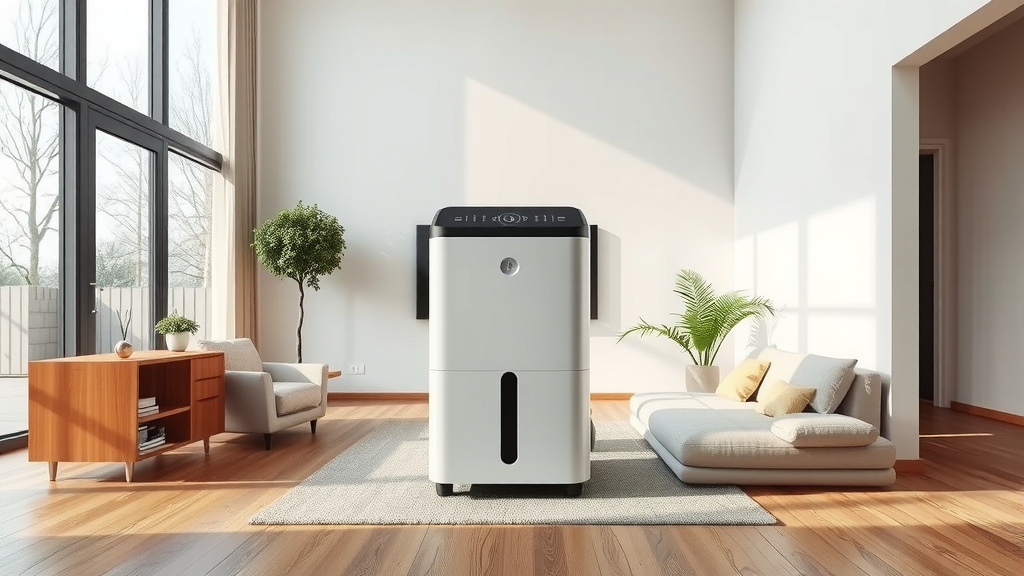
Place it in a central location within the dampest room. This allows air to circulate freely around the unit, pulling moisture evenly from the space.
Regular Maintenance Prevents Problems
Just like your car needs oil changes, your dehumidifier needs regular care. This simple routine keeps it running smoothly and safely.
Clean the air filter every few weeks or months, depending on use. A clogged filter makes the unit work harder, increasing energy consumption and reducing its lifespan.
Empty the water collection tank regularly to prevent overflows. Some units have a continuous drain option, which is a real convenience.
Check the coils for frost buildup, especially in cooler environments. Frost means the unit isn’t working right and might need defrosting or professional help.
Quick Maintenance Checklist for Your Dehumidifier
- Clean or replace the air filter.
- Empty the water tank regularly.
- Check the drain hose for clogs.
- Wipe down the exterior of the unit.
- Inspect power cord for damage.
Signs Your Home Might Be Too Dry
How do you know if your dehumidifier is doing too good a job? Your house will tell you.
Look for gaps appearing in wooden floors or furniture. You might also notice excessive static electricity, making your hair stand on end or giving you small shocks.
Physically, you might experience dry skin, chapped lips, or a scratchy throat. Your houseplants may also start to look wilted or have browning leaf tips.
Protecting Your Home: Best Practices
Using a dehumidifier effectively is all about smart choices. It’s about knowing your home and listening to what it needs.
By selecting the right unit, setting proper humidity levels, and committing to simple maintenance, you can enjoy all the benefits without the worry.
Your home will thank you with a healthier, more comfortable living environment. It’s a win-win situation.
| Good Dehumidifier Practices | Bad Dehumidifier Practices |
|---|---|
| Maintain 30-50% humidity. | Run continuously without monitoring. |
| Clean filter monthly. | Never clean the filter. |
| Empty tank regularly or use continuous drain. | Let tank overflow. |
| Place in open area for airflow. | Place in tight corners. |
| Use correct size for room. | Use oversized or undersized unit. |
Conclusion
In short, a dehumidifier is a helpful tool, not a house wrecker. When handled properly, it’s an ally in your fight against mold, mildew, and excessive dampness.
The potential for damage is low and almost always preventable. Pay attention to your humidity levels, maintain your unit, and choose the right size.
By following these straightforward tips, you can confidently use your dehumidifier to create a healthier and more comfortable home environment, without any nasty surprises.
Can a dehumidifier cause wood floors to warp?
Yes, if a dehumidifier makes the air too dry, it can cause wood floors and furniture to crack or warp over time. Aim for a humidity level between 30% and 50% to protect wooden items.
How do I know if my dehumidifier is making my house too dry?
You might notice physical signs like dry skin, static electricity, or cracking wood in your home. Using a hygrometer to measure the exact humidity level is the best way to tell.
What is the most common problem with dehumidifiers?
The most common issues are often related to neglecting maintenance, such as not cleaning the filter or not emptying the water tank. These can reduce efficiency or cause spills.
Can a dehumidifier catch fire?
While rare, older or recalled dehumidifier models have had electrical defects that led to fires. Always check if your unit has been recalled and follow manufacturer guidelines to prevent hazards.
Where is the best place to put a dehumidifier in a house?
Place your dehumidifier in the dampest area of your home, like a basement or humid living space. Ensure it has at least 6-12 inches of clearance from walls and furniture for optimal airflow.