Can a Dehumidifier Dehydrate You?
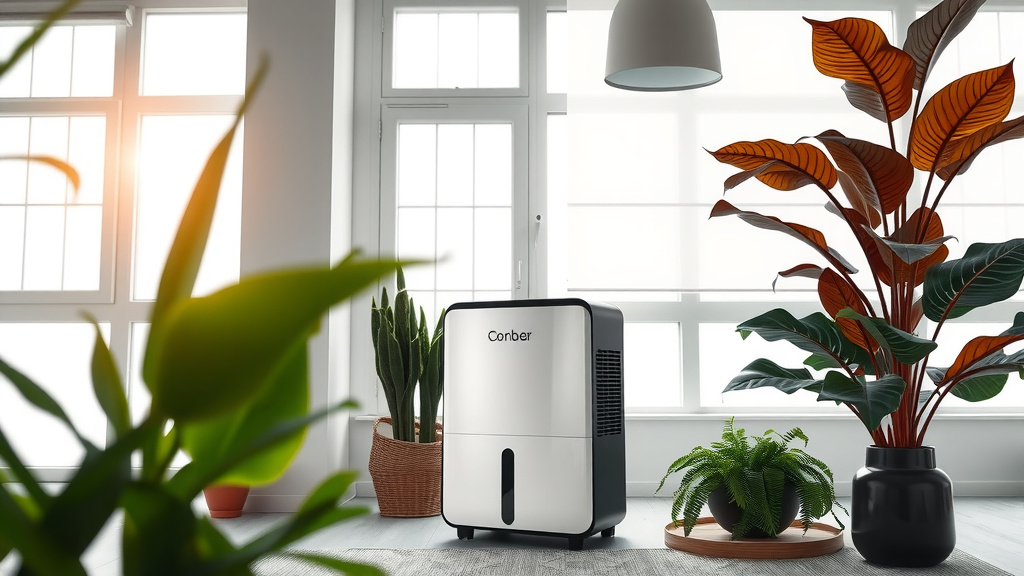
No, a dehumidifier cannot directly dehydrate you in the way that not drinking water would. It removes excess moisture from the air, not from your body.
While a dehumidifier won’t pull water from your cells, it can make your environment feel drier, potentially leading to mild discomfort like dry skin or throat if humidity levels drop too low.
- Dehumidifiers remove moisture from the air, not from your body.
- You won’t get dehydrated from a dehumidifier like you would from lack of water.
- Very low room humidity can cause dry skin or respiratory discomfort.
- Maintaining ideal humidity (30-50%) is key for comfort and health.
- Stay hydrated by drinking enough water, especially in dry environments.
Can a Dehumidifier Dehydrate You?
A dehumidifier works on the air around you, not on your body directly. It pulls moisture from the atmosphere to create a less humid space.
Understanding How Dehumidifiers Work
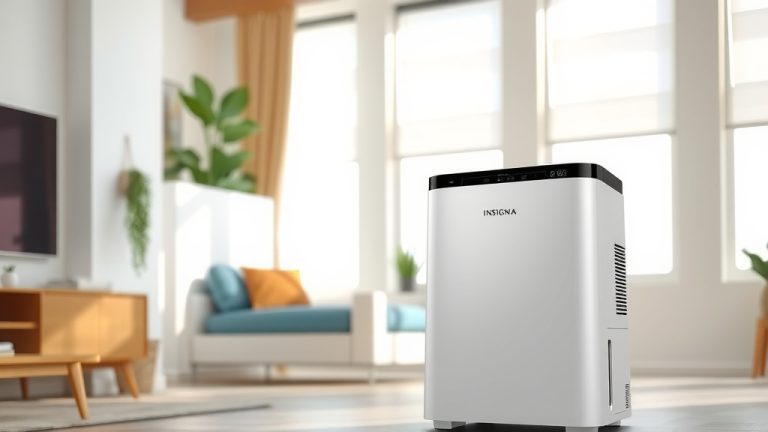
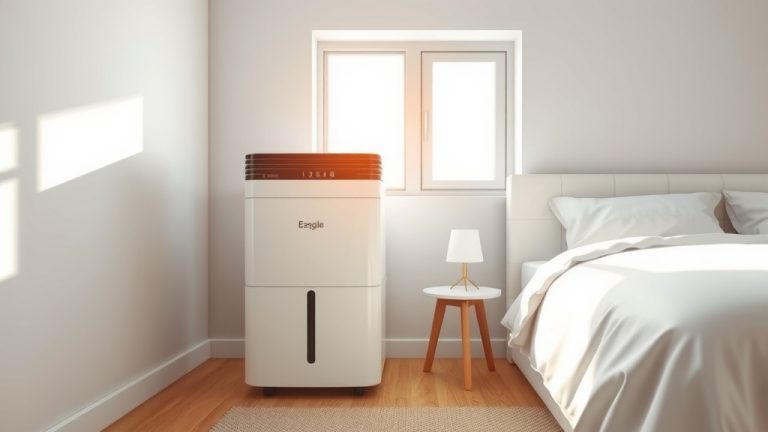
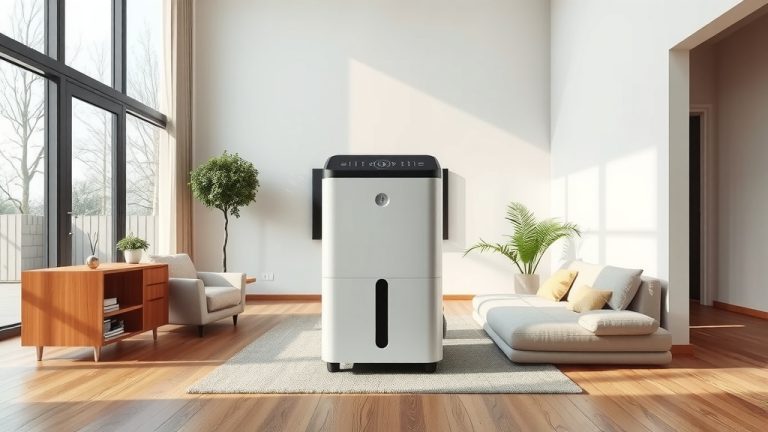
Imagine a sponge soaking up water. That’s a bit like what a dehumidifier does to the air. It draws humid air over a cold coil, condensing the water vapor into liquid that collects in a tank.
This process effectively reduces the moisture content in your home. The air becomes crisper and less damp, which is great for combating mold and mildew (CDC).
Your Body’s Hydration System
Your body has its own incredible system for managing hydration. You regulate water intake and output through drinking, eating, sweating, and waste elimination.
A dehumidifier doesn’t interact with these internal processes at all. It simply changes the humidity of the surrounding air you breathe and live in.
The Difference: Air vs. Body Moisture
Think of it this way: your home’s air quality is separate from your internal body chemistry. Reducing airborne moisture doesn’t mean you’re losing bodily fluids.
Your body loses water constantly through breathing and skin evaporation. However, a dehumidifier won’t accelerate this in a harmful way, just by drying the air.
When the Air Gets Too Dry
While dehumidifiers are safe, extreme dryness in the air can cause some mild, noticeable effects. You might feel your skin getting a bit tight or your throat feeling scratchy.
This happens because very dry air can pull moisture from exposed surfaces. It’s a similar feeling to what you experience in a desert climate or during winter (Mayo Clinic).
Signs of a Dry Environment
It’s important to tell the difference between feeling dehydrated and experiencing a very dry environment. Dehydration involves your body lacking fluids.
A dry environment simply lacks humidity. Here are some signs your home might be too dry:
- Static electricity shocks are more frequent.
- Your skin feels itchy or flaky.
- Your lips are chapped or dry.
- You wake up with a dry throat or nasal passages.
- Wooden furniture might show cracks or warping.
Ideal Humidity Levels for Comfort and Health
Most experts agree that an indoor humidity level between 30% and 50% is ideal. This range prevents mold growth while keeping you comfortable.
Keeping your humidity within this zone helps prevent issues. It stops that clammy feeling and also reduces discomfort from overly dry air.
Are You Feeling Parched? It Might Not Be the Dehumidifier
If you’re feeling truly dehydrated, meaning thirsty, dizzy, or having dark urine, it’s most likely not your dehumidifier. Your water intake is the primary factor.
Many guidelines point to drinking enough water throughout the day as key (NIH). This is especially true if you are active or in warm conditions.
Factors Leading to Personal Dehydration
Dehydration stems from not drinking enough fluids or losing too many. Things like intense exercise, illness, or simply forgetting to drink water are common culprits.
Certain medications or health conditions can also play a part. Always consider your fluid intake first if you feel dehydrated.
Staying Hydrated While Using a Dehumidifier
Using a dehumidifier doesn’t mean you need to change your drinking habits drastically. Just be mindful of your body’s signals.
If you notice dry mouth or skin, simply increase your water intake. It’s about maintaining a good balance.
Balancing Moisture for Your Home and Health
The goal is to achieve a comfortable indoor atmosphere. You want to eliminate that muggy feeling without making the air feel like a desert.
A simple hygrometer can help you monitor your home’s humidity. This small device gives you accurate readings so you can make informed adjustments.
Dehumidifier Settings: Finding Your Balance
Most dehumidifiers have adjustable settings. You can set a target humidity level, often called a humidistat.
Start by setting it to around 45%. Then, adjust up or down by 5% increments until your home feels right. Listen to your comfort level.
Monitor Your Home’s Humidity
A hygrometer is your best friend when using a dehumidifier. It shows you the current humidity percentage.
Place it in the room where your dehumidifier operates. This allows you to see the real-time impact of your settings.
When to Adjust Your Dehumidifier
Knowing when to change your settings is part of smart dehumidifier use. Here’s a quick guide:
| Situation | Recommended Action |
|---|---|
| Air feels damp or sticky. | Lower target humidity (e.g., to 40%). |
| Skin feels dry, or static is common. | Raise target humidity (e.g., to 50%). |
| Musty odors persist. | Lower humidity further, check for hidden mold. |
| During hot, humid summer months. | Keep humidity lower (30-45%). |
| During cooler, drier winter months. | Keep humidity higher (45-50%). |
Quick Checklist for Healthy Humidity
Here’s a simple checklist to keep your home’s humidity balanced and comfortable:
- Get a hygrometer to track humidity levels.
- Aim for 30-50% indoor humidity.
- Drink plenty of water throughout the day.
- Moisturize your skin if it feels dry.
- Adjust dehumidifier settings based on the season.
- Clean your dehumidifier regularly for efficiency.
Conclusion
Rest assured, a dehumidifier is designed to manage air moisture, not your personal hydration. It won’t directly dehydrate you.
By understanding how these appliances work and paying attention to your body’s signals, you can enjoy a comfortable home. Just keep your humidity levels balanced and drink enough water, and you’ll be fine.
Can a dehumidifier make you thirsty?
A dehumidifier can make the air drier, which might give you a sensation of thirst or dry mouth. However, this is more about environmental dryness than actual bodily dehydration. Simply drink water to alleviate this feeling.
Is it bad to run a dehumidifier all the time?
Running a dehumidifier all the time isn’t inherently bad, but it’s often unnecessary and can lead to overly dry air. It’s best to run it only when humidity is high (above 50%) and set it to your desired humidity level (30-50%).
What are the side effects of too low humidity?
Very low humidity can cause dry skin, chapped lips, itchy eyes, and a dry throat or nasal passages. It can also worsen respiratory conditions for some people. For your home, it can dry out wood, leading to cracks in furniture or floors.
Should I drink more water if I use a dehumidifier?
You don’t necessarily need to drink significantly more water just because you’re using a dehumidifier. However, it’s always wise to stay well-hydrated, especially if you notice any dry mouth or skin from the drier air. Listen to your body’s cues.
How do I know if my indoor humidity is too low?
The easiest way to know is by using a hygrometer, which measures humidity. If the reading is consistently below 30%, your humidity is likely too low. You might also notice physical signs like dry skin, static electricity, or cracking wood in your home.