Can a Dehumidifier Dry Out Your Skin?
Yes, a dehumidifier can dry out your skin if it removes too much moisture from the air, pushing humidity levels below a healthy range.
To prevent a dehumidifier from drying out your skin, aim to keep your indoor humidity between 30% and 50%.
Here’s a quick overview of what you’ll learn in this article:
- Dehumidifiers can cause dry skin if humidity drops too low.
- The ideal indoor humidity range is 30-50% for comfort and health.
- Using a hygrometer is key to monitoring and controlling humidity.
- Proper placement and setting adjustments prevent over-drying.
- Simple skin care routines can also help protect your skin.
Can a Dehumidifier Dry Out Your Skin?
A dehumidifier can indeed dry out your skin if it reduces your indoor humidity levels below the healthy range, typically under 30-40%. It’s all about finding that sweet spot for comfort.
How Dehumidifiers Work (And What They Do)
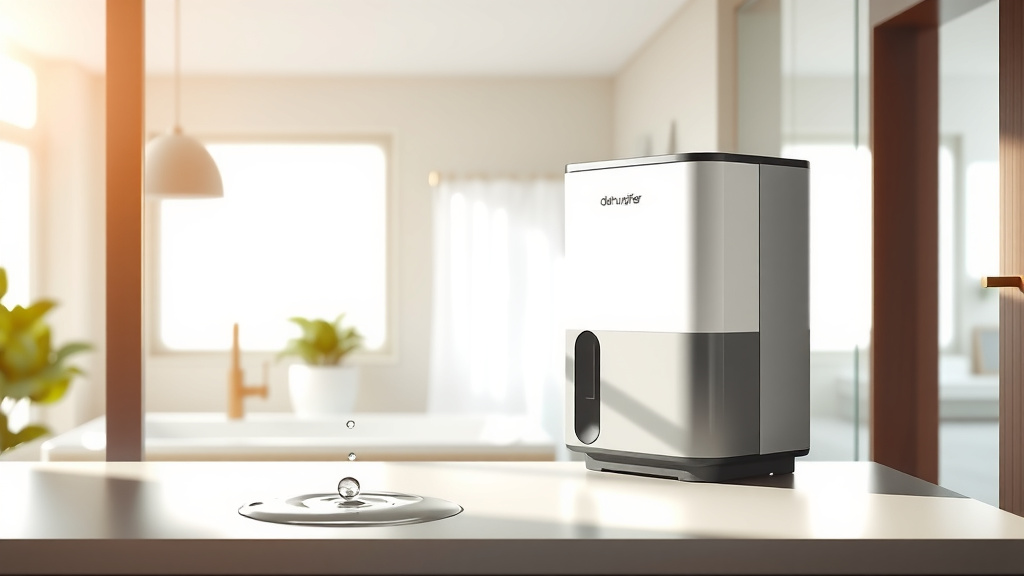
Think of your dehumidifier as a diligent sponge for your home’s air. It pulls excess moisture out, much like a vacuum cleaner sucks up dust. This process makes your air feel less sticky and more comfortable.
They operate by drawing in humid air over a cold coil, condensing the water vapor into liquid. This collected water then drips into a tank, and the drier air is released back into the room.
The Importance of Balanced Humidity
Humidity is simply the amount of water vapor in the air. Too much, and you invite mold and dust mites. Too little, and your body, including your skin, starts to feel the effects.
Many experts agree that the ideal indoor humidity level rests between 30% and 50% (Mayo Clinic). This range offers a happy medium for both your home and your health. Going outside this range brings issues.
When Your Dehumidifier Works ‘Too Well’
You might be wondering, “Can a good thing be bad?” With dehumidifiers, yes, if not managed properly. When your dehumidifier constantly runs, it can over-dry your indoor environment.
Imagine a desert. Your skin needs some moisture in the air to stay hydrated. When the air becomes too dry, it starts pulling moisture from wherever it can find it, including your skin.
Signs Your Skin Is Getting Too Dry
How can you tell if your dehumidifier is turning your home into a desert? Your skin will likely let you know. You might notice your skin feeling tight or itchy, especially after a shower.
Other common signs include flaky skin, redness, or even chapped lips. Your eyes might also feel dry or irritated. It’s your body’s way of saying, “Hey, I need a drink!”
Impact on Sensitive Skin Conditions
For those with conditions like eczema or psoriasis, overly dry air can be particularly challenging. We found that reduced humidity often aggravates these conditions, causing flare-ups and increased discomfort (NIH).
Beyond Skin: Other Dry Air Symptoms
It’s not just your skin that suffers. Low humidity can also lead to other issues around your home and for your health. Static electricity becomes more noticeable, making your hair stand on end.
You might also experience dry nasal passages, sore throats, or even nosebleeds. Your wooden furniture could even start to crack or warp. It’s a chain reaction from that missing moisture.
How to Maintain Healthy Humidity Levels
The good news is that preventing over-drying is quite simple. It largely comes down to monitoring and adjusting your dehumidifier settings. You are in control of your indoor climate.
Get a Hygrometer
Your best friend in this quest is a hygrometer. This small device measures the humidity level in your room. Many dehumidifiers have one built-in, but a separate one can offer more accurate readings.
Place the hygrometer in the room where your dehumidifier operates. This allows you to see the current humidity level at a glance and make informed decisions about its settings.
Setting the Right Dehumidifier Target
Most experts recommend setting your dehumidifier to maintain humidity between 30% and 50%. If your skin feels dry, try aiming for the higher end of that spectrum, say around 45%.
If your dehumidifier doesn’t have a precise setting, you might need to run it in cycles or manually turn it on and off. The goal is to avoid constant operation that drives humidity too low.
Strategic Dehumidifier Placement
Where you place your dehumidifier matters. If it’s too close to you, it might create a very dry microclimate. Generally, placing it in a central location or the dampest area is best.
Consider placing it in a basement, laundry room, or bathroom. These are often the areas that collect the most moisture. Let it work there, rather than in your main living space if dryness is an issue.
Skin Care in Dry Environments
Even with optimal humidity, giving your skin a little extra love helps. Regular moisturizing is key. Look for creams or ointments rather than lotions, as they tend to provide a better barrier.
Applying moisturizer right after a shower or bath can help lock in moisture. Staying well-hydrated by drinking plenty of water also supports overall skin health from the inside out.
Know When to Take a Break
Sometimes, your home might not need constant dehumidification. On cooler, drier days, you can often turn off your unit entirely. Listen to your body and observe your environment.
Here’s a quick guide to understanding humidity levels:
| Humidity Level | Effect on Skin & Home | Recommended Action |
|---|---|---|
| Above 60% | Risk of mold, dust mites, sticky skin, musty odors. | Run dehumidifier to reduce moisture. |
| 30-50% | Ideal for comfort, healthy skin, prevents mold/static. | Maintain this range using a hygrometer. |
| Below 30% | Dry skin, static electricity, itchy eyes, dry nasal passages, potential wood damage. | Reduce dehumidifier use, consider a humidifier, moisturize. |
Signs Your Home Might Be Too Humid (And Needs a Dehumidifier)
- You notice condensation on windows or cold surfaces.
- There’s a musty or damp smell, especially in basements.
- You spot mold spots growing on walls, ceilings, or fabrics.
- The air feels heavy and sticky, even when cool.
- Allergy symptoms flare up consistently indoors.
A Checklist for Healthy Humidity & Skin
Here’s a simple checklist to keep your home comfortable and your skin happy:
- Use a reliable hygrometer to monitor humidity.
- Set your dehumidifier to target 30-50% relative humidity.
- Avoid running your dehumidifier constantly if not needed.
- Apply a rich moisturizer daily, especially after washing.
- Stay well-hydrated by drinking enough water.
- Consider a small humidifier in your bedroom if air is persistently dry.
Conclusion
While a dehumidifier is a powerful tool for improving indoor air quality and comfort, it does have the potential to dry out your skin if not managed correctly. The key is to strike a balance. By understanding how your dehumidifier works, monitoring your indoor humidity, and practicing good skin care, you can enjoy all the benefits of reduced moisture without suffering from dry, itchy skin. Your comfort and health are always the priority.
FAQs
Can a dehumidifier make my skin itchy?
Yes, if a dehumidifier lowers the humidity too much, the very dry air can pull moisture from your skin, leading to dryness, tightness, and an itchy sensation. Maintaining optimal humidity levels can prevent this.
What is the ideal humidity level for healthy skin?
Many skin care experts and health organizations suggest that the ideal indoor humidity level for healthy skin is between 30% and 50%. This range helps your skin retain its natural moisture.
Should I use a humidifier if I’m also using a dehumidifier?
Generally, you wouldn’t use both simultaneously in the same area. A dehumidifier removes moisture, while a humidifier adds it. You might use a dehumidifier in a damp basement and a small humidifier in your bedroom if that specific room is too dry.
How can I tell if my dehumidifier is set too low?
You can tell your dehumidifier might be set too low if you experience dry skin, chapped lips, static electricity, dry nasal passages, or notice wooden items in your home starting to crack. Using a hygrometer to check the exact humidity level is the best way to confirm.
Does moisturizing help if my home’s air is too dry?
Yes, moisturizing helps significantly. While adjusting your home’s humidity is important, using a rich, emollient moisturizer regularly, especially after showering, creates a protective barrier on your skin, trapping existing moisture and providing relief from dryness.