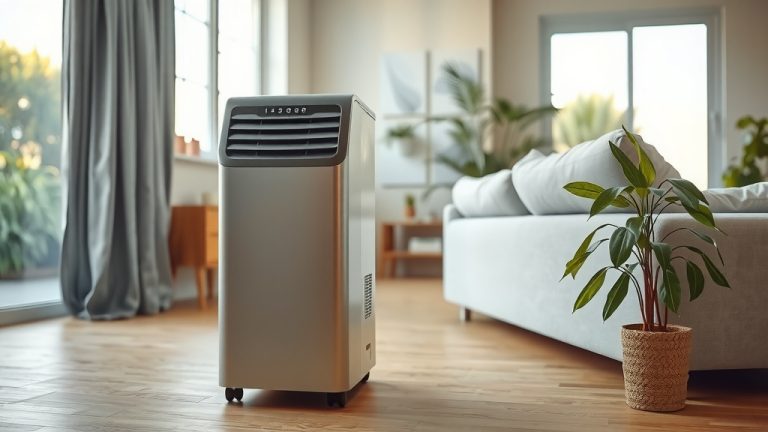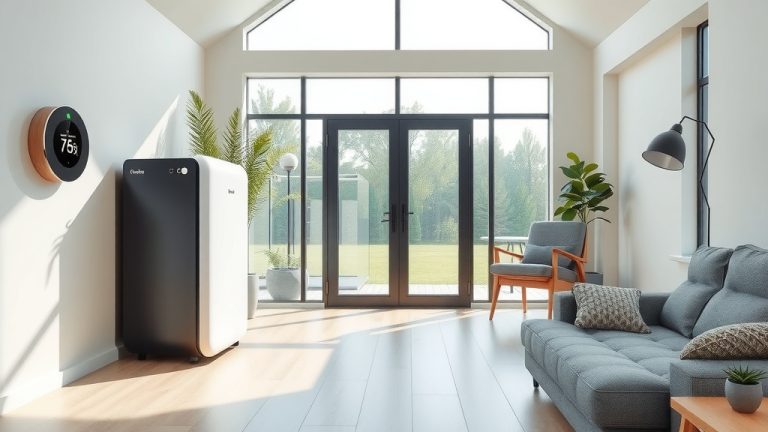
Can a Dehumidifier Give You a Headache?
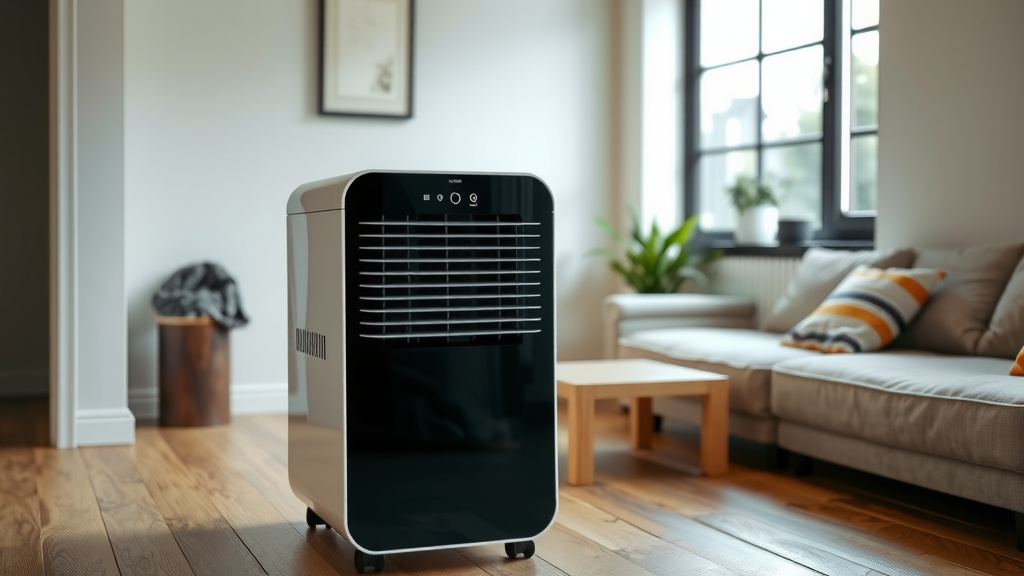
While a dehumidifier itself does not directly give you a headache, using one improperly can indirectly contribute to headache symptoms. This often happens by making your indoor air too dry.
The primary connection often comes down to maintaining a healthy humidity balance, as both excessively high and low humidity can impact your comfort and well-being.
- Running a dehumidifier can sometimes lead to headaches if it dries the air too much, causing symptoms like dehydration or dry sinuses.
- Noise from the unit or existing air quality issues might also play a role in feeling unwell.
- The goal is to maintain indoor humidity between 30% and 50% for optimal health and comfort.
- Monitoring humidity with a hygrometer and proper machine maintenance are key steps to avoid discomfort.
- If headaches persist, it’s always wise to check with a healthcare professional.
Can a Dehumidifier Give You a Headache?
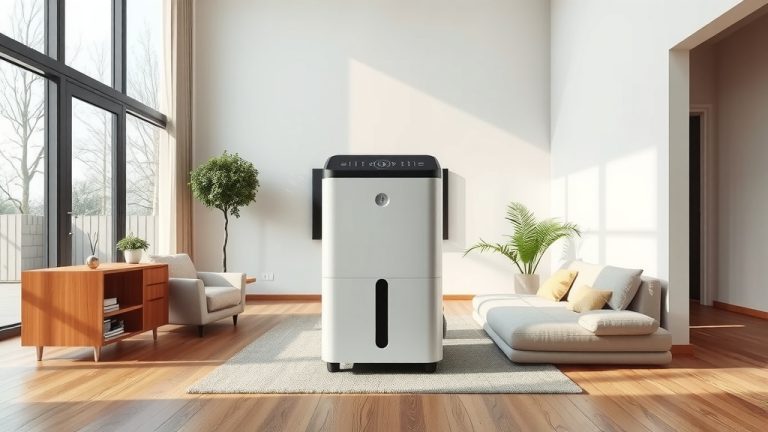
You might be wondering if that humming box working hard in your basement could be the reason for your pounding head. The simple answer is, not directly. A dehumidifier won’t magically create a headache. However, how you use it can definitely play a part in your comfort.
Understanding How Humidity Affects You
Our bodies are pretty sensitive to the environment around us. This includes the amount of moisture in the air. Finding the right balance is like a delicate dance, and stepping out of sync can cause problems. Both too much and too little humidity can affect how you feel each day.
When Humidity Levels Soar
High humidity, the sticky kind that makes you sweat, can feel miserable. It creates a perfect breeding ground for mold and dust mites. We found that mold spores are common allergens that can trigger headaches, sinus issues, and respiratory problems (CDC).
Damp air can also make it harder for your body to cool down. This extra effort can sometimes contribute to a general feeling of sluggishness or even head discomfort. Nobody likes that heavy, muggy feeling.
The Risks of Air That’s Too Dry
On the flip side, extremely dry air also has its downsides. Think of a desert climate inside your home. Low humidity can dry out your mucous membranes, like those in your nose and throat. This can lead to irritation, congestion, and yes, sometimes headaches.
Dry air also pulls moisture from your skin and body. This can contribute to dehydration, which is a known trigger for headaches for many people. It’s like your body is constantly thirsty.
Is Your Dehumidifier the Culprit?
So, where does your dehumidifier fit into this picture? It’s all about balance, right? When your dehumidifier works too well, or is set too aggressively, it can shift your home from too humid to too dry. This sudden change or constant dryness is where issues can start.
The Trouble with Over-Drying Your Home
The most common way a dehumidifier might cause headaches is by making your air too dry. If the humidity level drops below 30%, you might start feeling it. Your nasal passages can become dry and irritated. This can easily lead to a stuffy nose or a dull headache.
Many experts say that very dry air can worsen allergy symptoms for some individuals (American Academy of Allergy, Asthma & Immunology). These reactions can then manifest as headaches or sinus pressure. It’s a chain reaction.
Noise Can Be a Nuisance (and a trigger)
Let’s not forget about the sound your dehumidifier makes. While modern units are quieter, some can still be quite loud. Constant background noise, especially a low hum, can be a headache trigger for sensitive individuals. It’s like a constant, low-grade annoyance.
If your dehumidifier is in a living area or bedroom, consider its noise level. Some people are simply more susceptible to noise-induced headaches. Silence can be golden when you’re trying to relax.
Air Quality and Dehumidifiers
While a dehumidifier improves air quality by removing moisture, poor maintenance can backfire. If the filter isn’t cleaned regularly, it can circulate dust and allergens. Research shows that poor indoor air quality often causes headaches and respiratory issues (EPA).
Always ensure your dehumidifier is clean. A dusty machine won’t do you any favors. Just like any appliance, it needs a little TLC.
Finding Your Comfort Zone: Ideal Humidity
The sweet spot for indoor humidity is generally between 30% and 50%. This range feels comfortable for most people and helps deter mold growth. It’s the “just right” zone, like Goldilocks finding her perfect porridge.
If you’re unsure of your home’s humidity, a small device called a hygrometer can help. These are inexpensive and give you a clear reading. Many modern dehumidifiers even have one built right in.
| Area/Condition | Recommended Humidity Range |
|---|---|
| General Living Areas | 40% – 50% |
| Preventing Mold Growth | Below 50% |
| Respiratory Comfort | 30% – 50% |
| Wood Furniture Protection | 40% – 60% |
Spotting the Signs of Over-Dehumidification
How do you know if your dehumidifier is working too hard? Your body will often tell you. Paying attention to these subtle clues can help you adjust your settings. Don’t ignore what your body is trying to communicate.
- Dry skin or chapped lips despite drinking enough water.
- Frequent static electricity shocks when touching objects.
- A feeling of dryness or scratchiness in your nose or throat.
- Unusual discomfort or pressure in your head.
- Any wooden items, like furniture, starting to show cracks.
Smart Dehumidifier Use for Well-being
You don’t have to choose between a damp home and a headache. With a few smart practices, you can enjoy all the benefits of a dehumidifier. Your well-being is the top priority, after all.
Keep an Eye on the Numbers
Use that hygrometer we talked about. It’s your best friend in the battle against improper humidity. Knowing the exact levels helps you make informed decisions. It takes the guesswork out of the equation.
Set It and Forget It (Wisely!)
Many dehumidifiers have a humidistat. This allows you to set a target humidity level, like 45%. The machine will then turn on and off automatically. This prevents over-drying your space, saving you energy and discomfort.
Breathe Easy with Good Ventilation
Sometimes, simply opening a window for a few minutes can help. Fresh air can balance out overly dry indoor air. It’s a quick and easy way to refresh your environment. Think of it as hitting a reset button.
Cleanliness is Next to Comfort
Regularly clean the filter in your dehumidifier. This keeps it running efficiently and prevents dust from circulating. A clean machine is a happy machine, and a happy machine means a happier you. A clean filter is vital for healthy operation.
When to Talk to Your Doctor
If you’re experiencing persistent headaches, especially severe ones, always consult a healthcare professional. While your dehumidifier might play a role, there could be other underlying causes. Your doctor can provide proper diagnosis and treatment. Don’t self-diagnose serious symptoms.
Conclusion
So, can a dehumidifier give you a headache? Not directly, but incorrect use can certainly contribute to factors that do. The key is maintaining a healthy balance. Aim for indoor humidity between 30% and 50% and monitor your environment. By understanding how your dehumidifier works and using it wisely, you can enjoy a more comfortable home without the worry of headaches. It’s all about making your living space work for you.
Can a dehumidifier make allergies worse?
Generally, a dehumidifier helps reduce allergens like dust mites and mold by lowering humidity. However, if the air becomes too dry (below 30%), it can irritate nasal passages, potentially making some allergy symptoms, like dryness or sneezing, feel worse for certain individuals. Always aim for balanced humidity.
How long should I run my dehumidifier each day?
The ideal running time for your dehumidifier depends on your home’s starting humidity and your desired target. Many people run theirs continuously until the desired level (e.g., 45%) is reached, then let the built-in humidistat maintain it by cycling on and off as needed. Some run it for a few hours daily in specific rooms.
What is the best humidity level for sleeping?
For optimal sleeping comfort and health, experts often recommend keeping your bedroom humidity between 40% and 50%. This range helps prevent dry skin and irritated airways, allowing for more restful sleep. Too high can feel stuffy, while too low can be drying.
Does a dehumidifier help with stuffy noses?
A dehumidifier can indirectly help with a stuffy nose if the stuffiness is caused by high humidity promoting mold or dust mites, which trigger congestion. By reducing these allergens, it can alleviate symptoms. However, if the air becomes too dry, it might actually worsen nasal dryness and irritation, leading to more stuffiness.
Can low humidity cause nosebleeds?
Yes, significantly low humidity can cause nosebleeds. Dry air dries out the delicate mucous membranes inside your nose, making them more fragile and susceptible to cracking and bleeding. Keeping indoor humidity above 30% can often help prevent this uncomfortable issue, especially during colder months.