Can a Dehumidifier Help with a Cold?
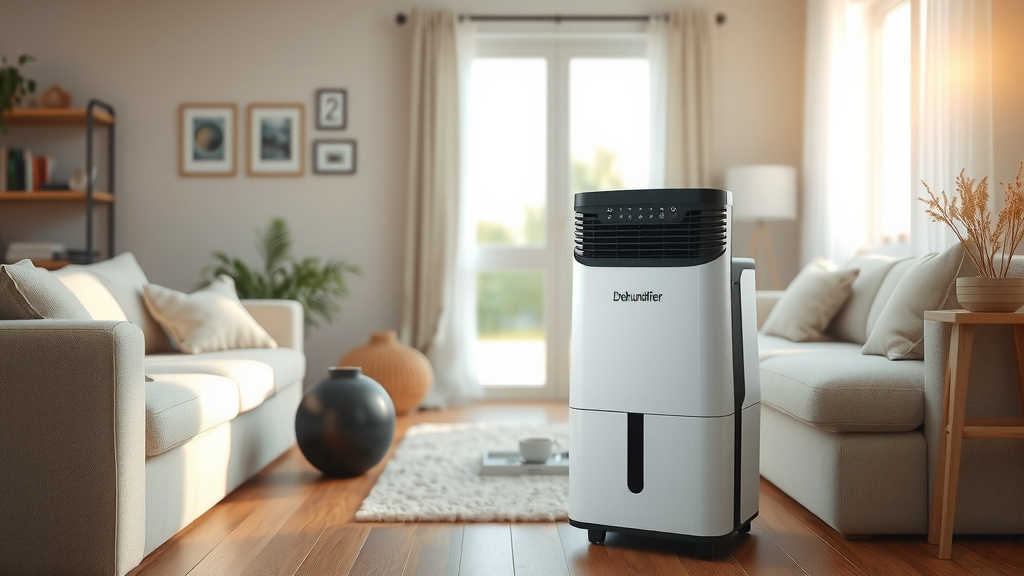
While a dehumidifier does not directly treat or cure a common cold, it can help manage environmental factors that might worsen some symptoms. Maintaining proper humidity levels in your home is important for overall comfort and respiratory health.
A dehumidifier primarily removes excess moisture from the air, which can prevent mold growth and reduce allergens, but it’s not a direct remedy for viral infections like the common cold. Extremely dry air, often a side effect of overuse, might even irritate your airways further.
- A dehumidifier won’t cure your cold; it manages air moisture.
- Too much humidity promotes mold and dust mites, which can irritate cold symptoms.
- Too little humidity can dry out nasal passages and throat, making symptoms feel worse.
- The best approach for a cold is rest, fluids, and symptom relief, not just air drying.
- Maintain a comfortable indoor humidity level between 40-60% for general well-being.
Can a Dehumidifier Help with a Cold?
Generally, a dehumidifier does not directly help with a cold. Its main job is to remove excess moisture from the air. Colds are caused by viruses, and a dehumidifier does not affect viruses themselves.
However, managing indoor humidity can play a small role in your comfort. We will look at how humidity impacts your breathing and overall feeling when you are sick.
Understanding Colds and Humidity
When you have a cold, your body fights a viral infection. You might experience a stuffy nose, sore throat, cough, and general fatigue. These symptoms are your body’s way of dealing with the virus.
The air quality around you can affect how these symptoms feel. Both too much and too little moisture in the air can cause discomfort. This is where humidity becomes a factor.
What a Dehumidifier Does
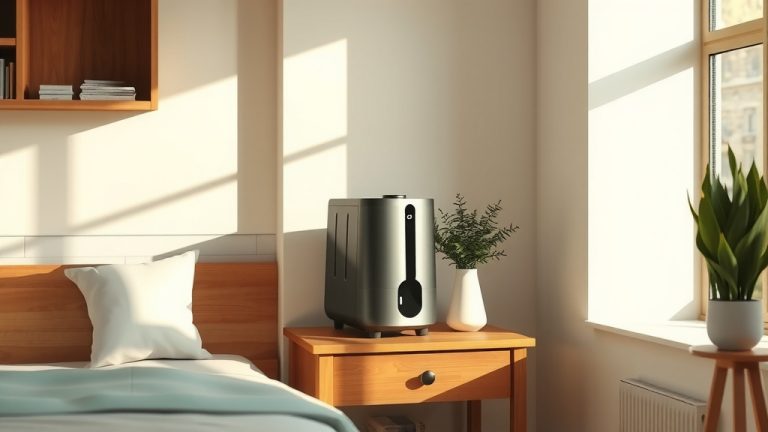
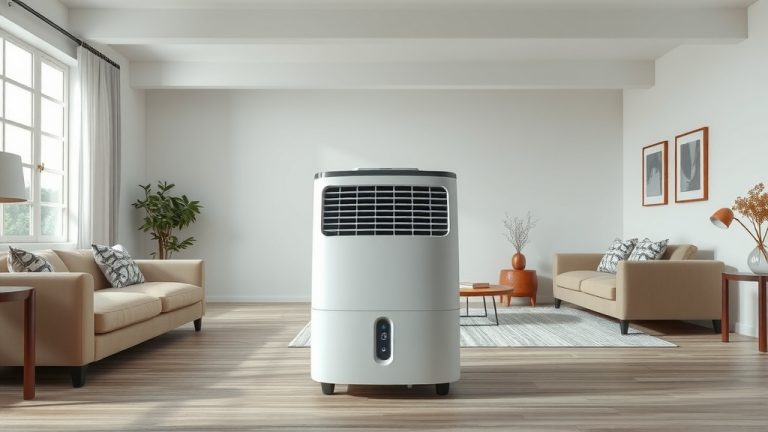
Imagine your home feels damp, or you see condensation on windows. A dehumidifier works like a magnet for moisture. It pulls humid air into its coils, condenses the water vapor, and collects it in a tank. The drier air then cycles back into the room.
This process lowers the overall humidity level in your living space. It’s great for fighting mold, but not for fighting viruses.
The Ideal Humidity Range for Health
What’s the perfect humidity level for your home? Many experts suggest keeping indoor humidity between 40% and 60% (EPA guidelines). This range is comfortable for most people and discourages common household irritants.
You can measure your home’s humidity with a simple hygrometer. This small device gives you a clear reading of your air moisture levels. It helps you decide if you need to adjust anything.
Why Too Much Humidity is Bad
High humidity levels can be a problem, especially when you are sick. Damp air creates a breeding ground for allergens. Mold and dust mites thrive in moist environments.
If you already have a cold, inhaling mold spores or dust mite particles can irritate your respiratory system further. This might make your coughing or sneezing worse. It could extend your discomfort.
Why Too Little Humidity is Also Bad
On the flip side, extremely dry air can also cause issues. When humidity drops below 30%, your nasal passages and throat can dry out. This can feel scratchy and uncomfortable.
Dry air might also thicken mucus, making it harder to clear. Research often connects very dry environments with irritated airways (NIH). So, while a dehumidifier reduces moisture, overdoing it isn’t helpful for cold symptoms.
When to Consider Using a Dehumidifier
A dehumidifier isn’t a cold remedy, but it has other important benefits. It helps maintain a healthier home environment. This can indirectly support your well-being, cold or not.
You might use one if your home consistently feels damp. Or if you notice signs of moisture issues. It’s about creating a balanced indoor climate.
Benefits Beyond Cold Symptoms
Think of a dehumidifier as a general household tool. It improves air quality by tackling moisture-related problems. These benefits are usually long-term and preventative.
It’s about making your home a more comfortable place to breathe. This can be especially important if you have other sensitivities.
Mold and Mildew Prevention
One of the biggest benefits of a dehumidifier is stopping mold and mildew. These fungi love damp, dark places. They can grow in bathrooms, basements, and laundry rooms. Mold spores can trigger allergies and asthma symptoms.
By keeping humidity low, you create an unfriendly environment for them. This keeps your home cleaner and your air fresher. Many homeowners appreciate this protection.
Allergy Relief
If you suffer from allergies, a dehumidifier can be a real friend. Dust mites and mold are common allergens. Reducing humidity helps control their populations. Less allergens means less sneezing, itching, and watery eyes for many people.
This can be particularly helpful if you find your cold symptoms mingle with your usual allergies. It reduces one source of irritation.
Comfort and Air Quality
Damp air often feels heavier and stickier. It can make a room feel warmer than it is. A dehumidifier makes your home feel more comfortable. It can help improve the overall quality of your indoor air. This leads to a more pleasant living space for everyone.
What Actually Helps When You Have a Cold?
Instead of focusing on a dehumidifier for a cold, try proven strategies. These methods directly support your body’s fight against the virus. They help ease your symptoms and speed up recovery.
- Stay Hydrated: Drink plenty of water, broth, or tea.
- Get Plenty of Rest: Your body needs energy to heal.
- Gargle with Saltwater: Soothes a sore throat.
- Use Saline Nasal Spray: Clears stuffiness gently.
- Humidifier (Not Dehumidifier): Adds moisture to dry air to ease congestion.
- Over-the-Counter Remedies: Pain relievers or decongestants may help.
Hydration is Key
Drinking lots of fluids is perhaps the most important thing. Water, herbal teas, and clear broths help thin mucus. This makes it easier to expel. Proper hydration also keeps your throat moist and helps prevent dehydration. Think of it as flushing out the system.
Rest and Recovery
Your body works hard to fight off a cold. Giving it ample rest is crucial. Sleep helps your immune system function at its best. So, put your feet up, relax, and let your body do its healing work.
Over-the-Counter Support
Many simple remedies from the pharmacy can ease symptoms. They don’t cure the cold, but they make you feel better. This allows you to rest more comfortably. Always read labels carefully.
| Symptom | Common Remedy | How it Helps |
|---|---|---|
| Fever/Aches | Acetaminophen, Ibuprofen | Reduces pain and lowers temperature. |
| Stuffy Nose | Decongestant (oral/nasal spray) | Shrinks swollen blood vessels in nasal passages. |
| Sore Throat | Throat lozenges, sprays | Provides temporary relief and numbing. |
| Cough | Cough syrup (expectorant/suppressant) | Helps clear mucus or reduces coughing reflex. |
Conclusion
So, while a dehumidifier is a valuable appliance for home maintenance, it won’t directly treat your cold. Its main role is to manage excess moisture, preventing issues like mold and dust mites. For common cold symptoms, focus on time-tested methods like rest, hydration, and appropriate over-the-counter remedies. Always aim for a balanced indoor humidity level, ideally between 40% and 60%, to support overall respiratory comfort. Listen to your body and give it what it truly needs to recover.
Can a dehumidifier make a cold worse?
Yes, if used excessively, a dehumidifier can make a cold worse by drying out the air too much. Extremely dry air can irritate nasal passages and the throat, leading to increased discomfort, a scratchy throat, or even nosebleeds. It’s important to maintain a balanced humidity level.
Is a humidifier or dehumidifier better for cold symptoms?
A humidifier is generally better for cold symptoms, especially if you experience dryness or congestion. It adds moisture to the air, which can help soothe a dry throat and nasal passages, thin mucus, and ease coughing. A dehumidifier removes moisture, which is usually not what your body needs during a cold.
What is the ideal humidity level for a sick person?
For a sick person, especially with a cold or flu, many experts suggest maintaining indoor humidity between 40% and 60%. This range is generally comfortable, helps keep airways moist, and discourages the growth of irritants like mold or viruses that prefer very dry air (Mayo Clinic).
Can reducing humidity prevent colds?
Reducing humidity itself doesn’t directly prevent colds, which are caused by viruses. However, some research suggests that maintaining optimal indoor humidity (not too high, not too low) might help limit the spread or survival of certain viruses. Extremely low humidity can also make your respiratory system more vulnerable to infection.
How do I know if my home is too humid when I have a cold?
You can tell if your home is too humid by signs like condensation on windows, a musty odor, damp-feeling air, or visible mold growth. Using a hygrometer (a humidity sensor) gives you a precise reading. If your reading is consistently above 60% while you have a cold, it might be contributing to discomfort or allergen buildup.