Can a Dehumidifier Set Off a Smoke Detector?
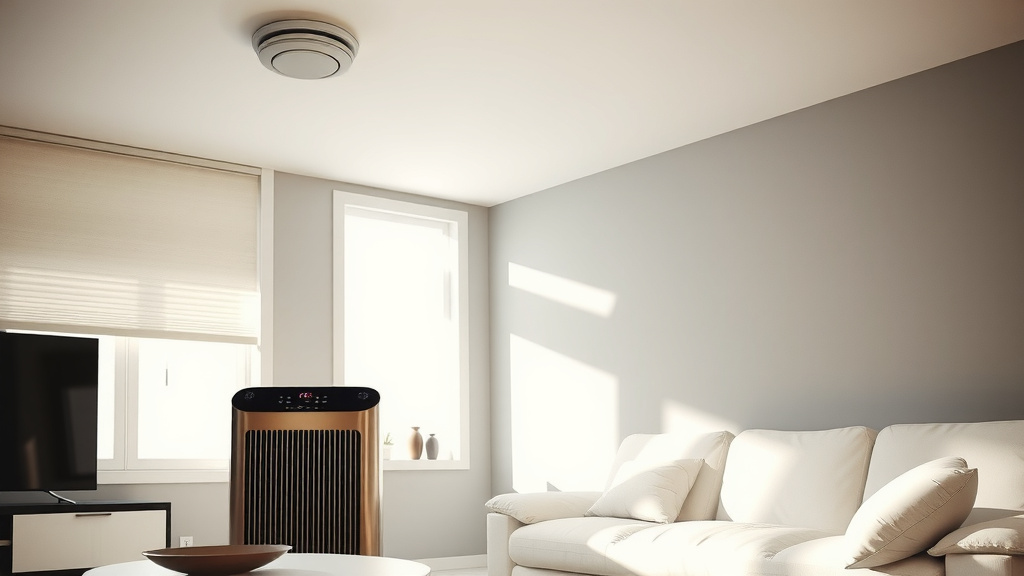
A dehumidifier generally will not set off a smoke detector under normal operating conditions. They work by removing moisture from the air, not by producing smoke or burning anything.
A dehumidifier typically doesn’t trigger a smoke alarm unless there’s a rare electrical malfunction or excessive dust accumulation within the unit.
Here’s a quick rundown of what you need to know:
- Most dehumidifiers operate safely without ever activating smoke alarms.
- Rarely, an electrical issue could cause a burning smell or actual smoke.
- Excessive dust inside the unit might get blown out, triggering sensitive detectors.
- Proper maintenance and placement are key to preventing false alarms.
Can a Dehumidifier Set Off a Smoke Detector?
No, a dehumidifier usually won’t set off your smoke detector. These appliances are designed to pull moisture out of the air. They don’t generate smoke, open flames, or combustion byproducts, which are the main triggers for smoke alarms.
Think of it this way: your dehumidifier is like a thirsty sponge for your air. It just soaks up humidity. It’s not a toaster or a fireplace. So, in almost all cases, you can breathe easy about this.
Understanding How Your Dehumidifier Works
Your dehumidifier pulls in humid air. It passes this air over cold coils, similar to a refrigerator. The moisture in the air condenses into water droplets, which then collect in a bucket or drain away.
The now dry air is then warmed slightly and released back into your room. This entire process is about managing moisture levels. It has nothing to do with creating smoke or heat that would trigger an alarm.
When a Dehumidifier Might Trick a Detector (Rarely)
While extremely uncommon, there are a few scenarios where your dehumidifier might accidentally trigger a smoke detector. These are usually not due to actual smoke, but rather misunderstandings by the detector itself.
Dust Accumulation and Release
Over time, dehumidifiers can collect a lot of dust, especially if filters aren’t cleaned regularly. When you turn on a dusty unit, a burst of accumulated dust might be expelled.
Some highly sensitive smoke detectors, particularly ionization smoke detectors, can mistake these tiny dust particles for smoke. We found that these detectors are more sensitive to invisible particles (National Fire Protection Association).
Electrical Malfunction or Overheating
This is the most serious, though still rare, reason. If your dehumidifier has an internal electrical fault, it could potentially overheat. This might lead to a burning smell, sparking, or in worst-case scenarios, actual smoke.
Such an event would definitely activate a smoke alarm. If you notice any unusual smells, sounds, or visual cues from your unit, disconnect it immediately.
Proximity to the Detector
Placing any appliance too close to a smoke detector can sometimes cause issues. While a dehumidifier isn’t prone to this, a very sensitive detector might react to strong airflow if placed directly underneath.
Think of it like being too close to a steamy shower; it’s the proximity and air movement, not necessarily a hazard. However, this is more common with humidifiers than dehumidifiers.
Different Types of Smoke Detectors Matter
Not all smoke detectors are created equal. Knowing which type you have can help you understand potential triggers.
| Detector Type | How It Detects | Sensitivity to Dehumidifier Issues |
|---|---|---|
| Ionization Smoke Detector | Detects invisible combustion particles. | More sensitive to dust blasts or very faint electrical burning smells. |
| Photoelectric Smoke Detector | Detects visible smoke particles. | Less likely to be triggered by dust. Would react to actual smoke from an electrical fire. |
| Dual Sensor Detector | Combines both ionization and photoelectric sensors. | Offers broad protection; might react to either dust or smoke. |
Keeping Your Dehumidifier Happy and Safe
Proper care for your dehumidifier isn’t just about efficiency; it’s about safety. A well-maintained unit is far less likely to cause any problems, including false alarms.
Regular Cleaning is Key
Just like any appliance that handles air, dehumidifiers need cleaning. Focus on the air filter and coils. A clean filter ensures good airflow and prevents dust buildup.
Many experts recommend cleaning the filter at least once a month, more often if your environment is dusty. This simple step can prevent dust-related false alarms.
Optimal Placement Matters
Place your dehumidifier in an area with good airflow, away from walls and furniture. Also, keep it a reasonable distance from any smoke detectors.
A good rule of thumb is to keep it at least 5-10 feet away from smoke alarms if possible. This minimizes any potential interaction with sensitive detectors.
Monitor for Unusual Sounds or Smells
Your dehumidifier should run relatively smoothly. Listen for any loud grinding noises, buzzing, or clicking. Pay attention to any strange smells, especially burning plastic or electrical odors.
If you notice anything unusual, it’s always best to unplug the unit and have it checked by a professional. This proactive approach helps prevent serious issues.
What to Do If Your Smoke Detector Goes Off
If your smoke detector unexpectedly blares and your dehumidifier is running, don’t panic, but don’t ignore it either. Safety first!
- Check for Actual Smoke: Look for any visible smoke or flames.
- Sniff for Burning Odors: Try to pinpoint the source of any burning smell.
- Examine the Dehumidifier: Is it overheating? Making strange noises?
- Unplug the Unit: If you suspect the dehumidifier is the cause, unplug it.
- Ventilate the Area: Open windows to clear the air if there was dust or a smell.
- Reset the Detector: Once the air is clear and the source is identified (and safe), reset your smoke alarm.
When to Seek Professional Help
If your dehumidifier repeatedly triggers the smoke detector without any visible reason, or if you suspect an electrical problem, it’s wise to consult a qualified appliance technician. A professional can diagnose and fix any underlying issues, keeping your home safe.
Conclusion
Relax, it’s very rare for a dehumidifier to set off a smoke detector. These appliances are designed for moisture removal, not for smoke production. The key is good maintenance and sensible placement.
Keep your dehumidifier clean, give it some space, and stay alert to any unusual signs. By doing so, you can enjoy the benefits of reduced humidity without any false alarms or safety worries. Your nose and your smoke detector will thank you!
Frequently Asked Questions
Can a humidifier set off a smoke detector?
Yes, a humidifier is more likely than a dehumidifier to set off a smoke detector. It can release too much mist or steam, which sensitive smoke detectors might mistake for smoke. Proper placement and avoiding over-humidification are important to prevent false alarms.
What is the main purpose of a dehumidifier?
The primary purpose of a dehumidifier is to reduce excess moisture in the air. This helps prevent mold growth, reduces dust mites, eliminates musty odors, and makes your home feel more comfortable, especially in humid environments like basements or laundry rooms.
How often should I clean my dehumidifier’s filter?
You should aim to clean your dehumidifier’s air filter at least once every month. If you live in a particularly dusty area or use your dehumidifier very frequently, you might need to clean it every two weeks. A clean filter ensures efficient operation and extends the life of your unit.
Could a dusty dehumidifier be a fire hazard?
While a little dust is normal, excessive dust buildup inside a dehumidifier, especially on electrical components, could potentially become a fire hazard. Dust can trap heat, causing components to overheat, and in very rare cases, ignite. Regular cleaning greatly reduces this minimal risk.
Are dehumidifiers safe to leave running overnight?
Yes, modern dehumidifiers are generally safe to leave running overnight. They are designed for continuous operation. Many units have automatic shut-off features when the water bucket is full or when a target humidity level is reached. Always ensure the unit is on a stable surface and has clear airflow around it.