Can a Frigidaire Dehumidifier Be Recharged?
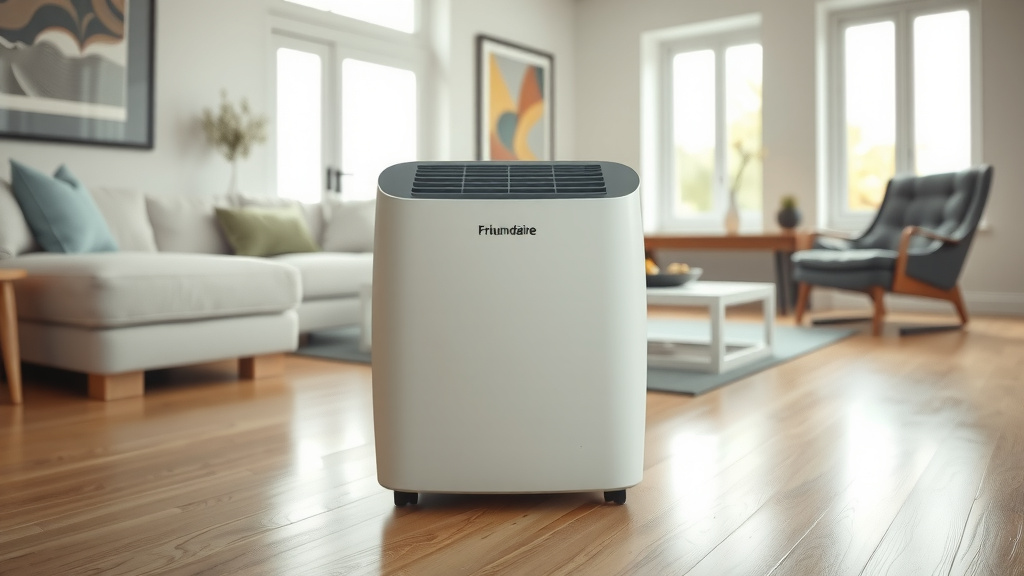
No, a Frigidaire dehumidifier cannot typically be recharged with refrigerant by a homeowner or a general technician, as it functions as a sealed system designed for a lifetime supply.
If your Frigidaire dehumidifier isn’t removing moisture effectively, the problem usually stems from maintenance issues, environmental factors, or a component malfunction rather than a need for refrigerant refilling.
- Dehumidifiers, including Frigidaire models, are built with a sealed refrigerant system, meaning they are not designed for routine refrigerant recharging.
- Most performance issues in a dehumidifier are often resolved by simple troubleshooting steps like cleaning the filter, checking the water bucket, or defrosting the coils.
- Refrigerant leaks are rare but serious; if suspected, professional service or unit replacement is typically required, not a simple recharge.
- Regular cleaning and proper placement are key to maintaining your dehumidifier’s efficiency and extending its lifespan.
- Understanding these facts helps you diagnose issues correctly and avoid unnecessary repairs or assumptions about recharging.
Can a Frigidaire Dehumidifier Be Recharged?
In short, the answer is generally no. Your Frigidaire dehumidifier, much like your refrigerator or air conditioner, uses a sealed system for its refrigerant. This means the refrigerant is meant to last the entire lifespan of the unit, and it’s not something you regularly “recharge” or top up.
Understanding the Sealed System
Think of your dehumidifier as a closed loop. It contains a specific amount of refrigerant gas sealed within coils. This gas changes states between liquid and vapor, absorbing moisture from the air as it passes over the cold coils. This process is highly efficient and doesn’t consume the refrigerant.
We found that manufacturers design these systems to be maintenance-free concerning refrigerant levels. If the system is working correctly, the refrigerant inside should never deplete or need refilling (EPA).
Why Do People Ask About Recharging?
It’s a common question, and we understand why you might ask. When your dehumidifier stops collecting water, it’s easy to assume something similar to a car’s AC needs a boost. However, dehumidifiers usually have other causes for their performance decline.
Many homeowners associate a lack of cooling or drying with a low refrigerant, a concept often seen in automotive air conditioning. But with home appliances like Frigidaire dehumidifiers, it’s a different story.
What Goes Wrong Instead of Needing a Recharge?
If your Frigidaire dehumidifier isn’t performing as expected, a refrigerant leak is usually far down the list of potential culprits. More often, the issue is much simpler to diagnose and fix. Let’s look at some common reasons your unit might struggle.
Dirty Air Filter
This is probably the most frequent reason for poor performance. A dirty filter restricts airflow, making it harder for the unit to pull in humid air and properly condition it. Imagine trying to breathe through a thick blanket; it’s similar for your dehumidifier.
We found that regular filter cleaning can significantly improve efficiency. Check your manual for how often to clean it, usually every few weeks depending on use.
Frost Buildup on Coils
If the coils get too cold, or if the ambient room temperature is too low, frost can form on them. This ice acts as an insulator, preventing the coils from absorbing moisture effectively. Many Frigidaire models have an auto-defrost feature, but sometimes it struggles.
If you see frost, turn off the unit and let it sit for a few hours with the fan running to allow the ice to melt naturally. Then, try running it again.
Full Water Bucket or Improper Drainage
Is the water bucket full? Most dehumidifiers will shut off automatically when the bucket is at capacity. If you’re using continuous drainage, ensure the hose isn’t kinked, clogged, or positioned incorrectly.
A simple check of the bucket and drainage hose can often resolve collection issues quickly.
Incorrect Humidity Setting
Have you set your desired humidity level too high? If your home’s humidity is already below the target setting, the unit won’t run. For example, if you set it to 60% and your home is at 55%, it will stay off.
Try lowering the target humidity setting to see if the unit kicks on. A good starting point is usually around 45-50% for optimal comfort (EPA).
Ambient Room Temperature Too Low
Dehumidifiers are designed to work within specific temperature ranges, often above 65°F (18°C). In cooler environments, the coils might become too cold, leading to frost buildup and reduced efficiency. We found that performance drops significantly in colder rooms.
If you’re using your dehumidifier in a basement or garage during colder months, it might struggle simply because the temperature isn’t ideal for its operation.
Malfunctioning Fan or Compressor
These are the core components that make your dehumidifier work. If the fan isn’t moving air or the compressor isn’t cooling the coils, the unit won’t remove moisture. These issues typically require professional repair or unit replacement.
You might notice unusual noises, a lack of air movement, or the unit running but not collecting water if these parts are failing.
Maintenance You Can (and Should) Do
While you can’t recharge your Frigidaire dehumidifier, there’s plenty you can do to keep it running smoothly and prevent common issues. Regular care can extend its life and maintain its efficiency.
Routine Cleaning Schedule
Clean your unit regularly. This includes not just the filter but also wiping down the exterior and occasionally cleaning the water bucket. A clean unit performs better and smells fresher.
Many experts say that preventative cleaning prevents bigger problems down the line.
Checking the Air Filter
Pull out the air filter and clean it according to your Frigidaire manual. Most are washable with warm, soapy water. Allow it to dry completely before putting it back in.
A clean filter ensures proper airflow, which is critical for moisture removal.
Inspecting the Coils
Periodically check the coils behind the filter. If they look dusty or dirty, you can gently clean them with a soft brush or a vacuum cleaner with a brush attachment. Be careful not to bend the delicate fins.
If you notice frost, simply let the unit defrost naturally before cleaning or operating it again.
Ensuring Proper Placement
Make sure your dehumidifier has enough clearance around it for proper airflow. Don’t place it directly against a wall or tuck it away in a tight corner. We found that at least 6-12 inches of space is recommended.
Placing it centrally in the room you want to treat can also improve its effectiveness.
When to Call a Professional or Replace Your Unit
There are times when a DIY fix isn’t enough. If you’ve tried all the troubleshooting steps and your Frigidaire dehumidifier still isn’t working, it might be time for more serious intervention.
Suspected Refrigerant Leak
This is a rare but serious problem. Signs of a leak can include a sudden drop in performance, a strange hissing sound, or even an oily residue around the coils. If you suspect a leak, do not attempt to repair it yourself.
Refrigerant handling requires specialized tools and training (EPA). Attempting to “recharge” it without proper knowledge can be dangerous and harmful to the environment.
Age and Cost of Repair
Dehumidifiers don’t last forever. Their lifespan typically ranges from 3-8 years depending on usage and maintenance. If your unit is older and facing a major component failure (like a compressor or significant leak), the cost of repair might outweigh the cost of a new unit.
Weigh the repair cost against the price of a new, more energy-efficient model. Sometimes, investing in a new unit is more economical in the long run.
Troubleshooting Guide: DIY vs. Pro Help
Here’s a quick guide to help you decide whether to grab your toolkit or dial a professional.
| Issue Type | Common Symptoms | Recommended Action |
|---|---|---|
| Poor Airflow | Unit running, little water collected, feels warm | Clean air filter, check fan for obstructions |
| Coil Frosting | Ice on coils, unit running but no water | Defrost unit, raise room temperature |
| No Water Collected | Unit seems off, bucket empty, room still humid | Check bucket, drainage hose, humidity setting |
| Strange Noises | Loud rattling, buzzing, compressor sounds odd | Inspect fan, call professional if compressor issue |
| Unit Not Starting | No power, no display, no fan movement | Check power outlet, circuit breaker, reset unit |
| Suspected Leak | Hissing sound, oily residue, strong odor | Call a certified HVAC technician, do not attempt to fix |
Checklist for Optimal Dehumidifier Performance
- Regularly clean the air filter (every 2-4 weeks).
- Empty the water bucket promptly or ensure continuous drainage is clear.
- Keep the area around the unit clear for proper airflow.
- Set the target humidity level appropriately (often 45-50%).
- Operate the unit within its recommended temperature range.
- Clean the coils gently if they appear dusty.
Conclusion
Your Frigidaire dehumidifier is a robust appliance designed to tackle excess moisture without needing a refrigerant “recharge.” The idea of refilling the refrigerant is a common misconception, usually arising when the unit isn’t performing well. Instead, focus on the simple, yet effective, maintenance tasks that can keep your unit running efficiently for years.
Most issues can be resolved with a clean filter, proper drainage, or adjusting settings. Should you suspect a serious issue like a refrigerant leak, remember that professional help is key. By understanding how your dehumidifier works and what truly keeps it healthy, you can ensure your home remains comfortable and dry without unnecessary worry about recharging.
What is the typical lifespan of a Frigidaire dehumidifier?
The typical lifespan of a Frigidaire dehumidifier generally ranges from 3 to 8 years. This can vary based on how often it’s used, the environment it operates in, and how well it’s maintained. Regular cleaning and proper placement can help it last longer.
Can I use any type of hose for continuous drainage on my Frigidaire dehumidifier?
While many standard garden hoses can connect, it’s always best to check your Frigidaire dehumidifier’s manual for specific recommendations on hose type and diameter. Ensuring a good, secure fit and proper downward slope will prevent leaks and promote efficient drainage.
My dehumidifier is running, but no water is collecting. What should I do first?
First, check if the water bucket is properly seated or if the continuous drainage hose is kinked or clogged. Next, ensure the humidity setting is lower than the current room humidity. If the room is already dry, the unit won’t collect water. Also, verify the ambient room temperature is within the unit’s operational range.
Is it normal for the coils on my Frigidaire dehumidifier to feel cold?
Yes, it is completely normal for the coils on your Frigidaire dehumidifier to feel cold to the touch. The refrigerant circulating within them cools the coils to condense moisture from the air. If they feel unusually warm or are covered in ice, that could indicate an issue.
How often should I clean my Frigidaire dehumidifier’s air filter?
We found that most manufacturers, including Frigidaire, recommend cleaning the air filter every 2 to 4 weeks, depending on how frequently the unit is used and the dustiness of your environment. In very dusty areas, you might need to clean it more often to maintain optimal performance.