Can a Portable Dehumidifier Work for a Whole House?
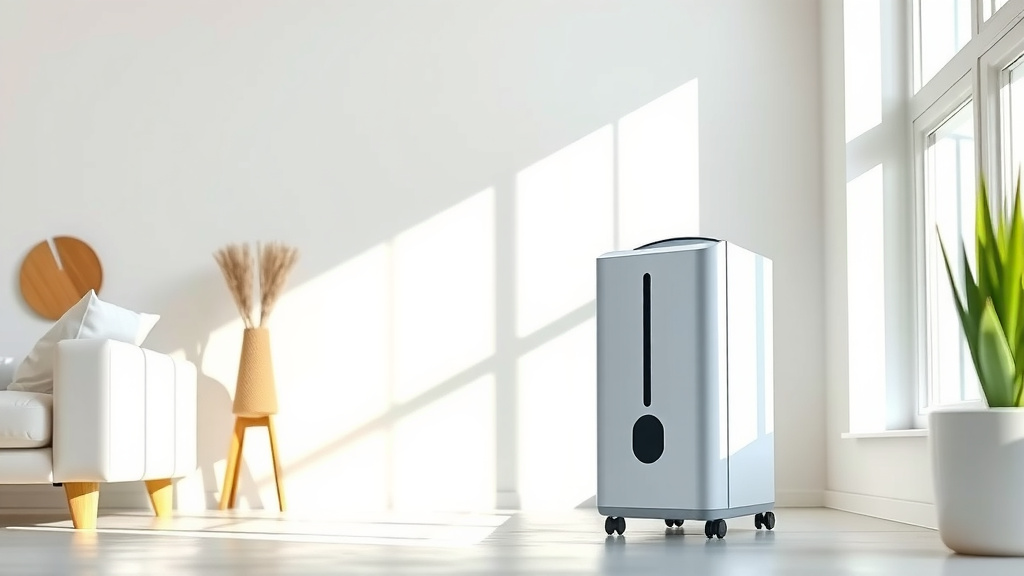
A portable dehumidifier is generally not effective for conditioning an entire house because it lacks the capacity and coverage needed to manage humidity across multiple rooms and varying moisture sources. Its design focuses on localized humidity control, making it suitable for single areas rather than a whole-home solution.
While a portable dehumidifier can reduce dampness in a specific room or confined space, its impact diminishes rapidly as you move further away, leaving other parts of your home prone to high humidity. For true whole-house humidity management, you’ll typically need a larger, more integrated system.
- A portable dehumidifier is designed for specific rooms or small areas, not an entire home.
- Its capacity is often too small to handle the volume of air in a whole house effectively.
- You’ll likely see results only in the immediate vicinity of the unit.
- For whole-house humidity control, look into larger, integrated solutions or multiple powerful portables.
- Using a portable unit for a whole house can be inefficient and costly in the long run.
Can a Portable Dehumidifier Work for a Whole House?
No, a portable dehumidifier is typically not designed to effectively manage humidity levels throughout an entire house. Its primary purpose is to address moisture in a specific, confined area.
Understanding Portable Dehumidifiers
Portable dehumidifiers are essentially mini-machines built to pull moisture from the air. They work by drawing in humid air, passing it over cold coils to condense water, and then releasing drier air back out. Think of it like a small vacuum cleaner for moisture in a room.
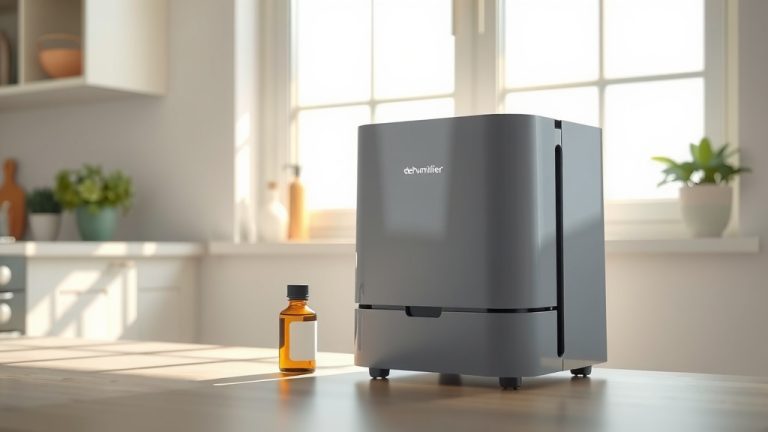
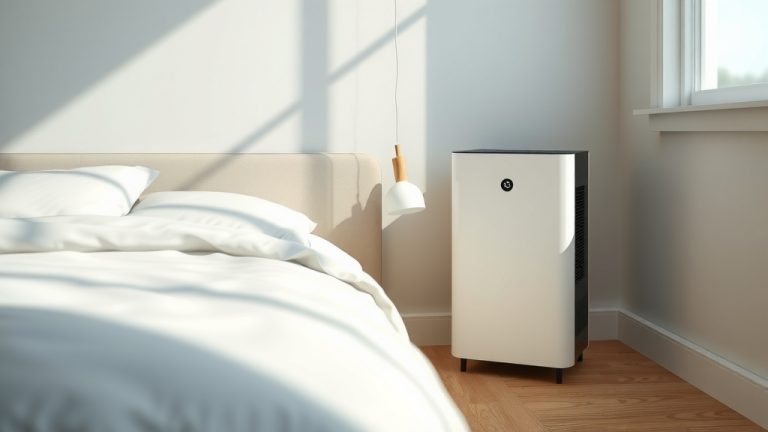
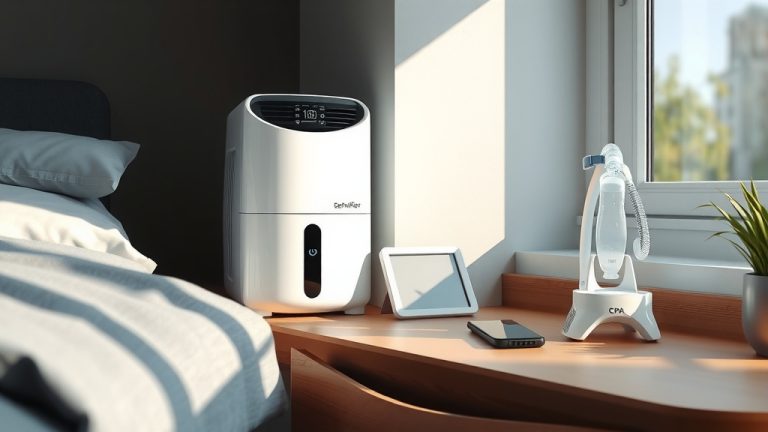
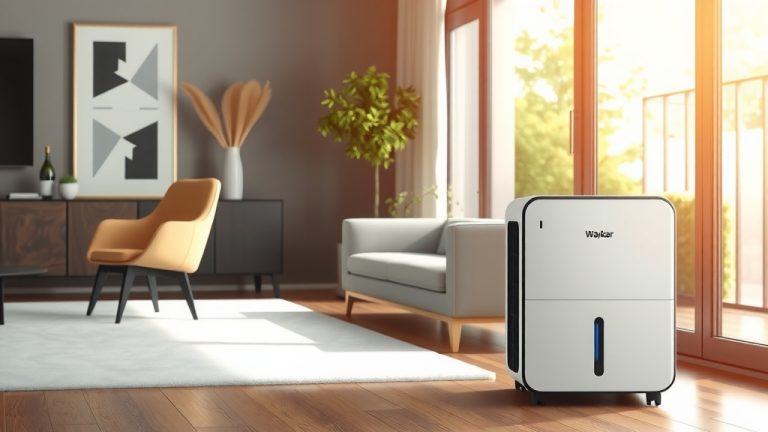
You often place these units in damp basements, musty bedrooms, or humid bathrooms. Their compact size and mobility are big advantages for targeting specific problem spots.
The Whole House Challenge for Portable Units
Trying to dehumidify a whole house with a portable unit is like trying to heat your entire home with a single space heater. It’s simply not built for that scale. Homes have many rooms, varying airflows, and different sources of moisture.
A portable unit’s fan is only strong enough to circulate air within one contained area. The drier air it produces won’t easily travel through doorways, hallways, and across different floors to impact the humidity levels elsewhere. We found that air movement is a significant limiting factor (ASHRAE).
Capacity and Coverage Limitations
Most portable dehumidifiers are rated by pints of moisture they can remove per day. A typical portable unit might remove 30-50 pints. For comparison, a whole-house dehumidifier can remove upwards of 90-120 pints or more.
A small unit trying to tackle a large area like a whole house will constantly run, struggle to keep up, and ultimately be very inefficient. It’s a bit like trying to empty a swimming pool with a teacup; you’ll work hard but see little progress.
When a Portable Dehumidifier Shines
Don’t get us wrong, portable dehumidifiers are incredibly useful in the right situations! They are perfect for:
- Damp Basements: Often a source of musty smells and high humidity.
- Crawl Spaces: Though sometimes harder to access, a smaller unit can help.
- Specific Rooms: Like a humid bedroom, laundry room, or bathroom without proper ventilation.
- Water Damage Incidents: After a small leak, they can help dry out an area quickly.
- Seasonal Use: If only certain rooms get damp during humid seasons.
In these scenarios, a portable unit offers targeted relief and noticeable improvement.
What Makes a Dehumidifier “Whole House”?
A whole-house dehumidifier is a different beast entirely. These units are often integrated with your home’s HVAC system, using existing ductwork to distribute dry air throughout every room. They have significantly higher capacity and more powerful fans.
Many experts say that an integrated system offers consistent humidity control across your entire living space, which is critical for comfort and preventing mold (EPA guidelines).
Signs You Might Need Whole-House Dehumidification
Are you wondering if your home needs more than a portable unit? Here are some common clues:
- Persistent musty odors throughout the house, not just one room.
- Condensation on windows even when it’s not extremely cold outside.
- Sticky or clammy feeling air, even with the AC running.
- Visible mold or mildew growth in multiple areas.
- Wood floors warping or doors sticking.
- Asthma or allergy symptoms worsening indoors.
If you experience several of these, it’s a good sign your home has a widespread humidity issue.
How to Choose the Right Dehumidifier Size
Sizing is perhaps the most critical factor. Dehumidifiers are rated in pints per day (PPD). This tells you how much moisture they can remove. You need to match the PPD rating to the square footage and general dampness of the area.
For a single room or basement, you’d look at units ranging from 20-70 PPD. For an entire home, you’d be looking at a much larger, often ducted, system with capacities over 90 PPD. Bigger isn’t always better if you’re only targeting a small space, but too small for a large space is always a problem.
Considering Your Home’s Unique Needs
Every home is a bit different. Factors like your local climate, how well-sealed your home is, and the number of people living there all impact humidity. Do you live in a very humid region? Is your home older and perhaps not as airtight? These questions help determine the necessary capacity for moisture removal.
Portable vs. Whole-House Dehumidifiers: A Quick Comparison
Let’s look at how these two types stack up, especially when considering a full home solution.
| Feature | Portable Dehumidifier | Whole-House Dehumidifier |
|---|---|---|
| Coverage Area | Single room/zone (e.g., 500 sq ft) | Entire home (e.g., 2000+ sq ft) |
| Capacity (PPD) | 20-70 pints | 90-150+ pints |
| Installation | Plug-and-play, no install | Professional installation, ducts |
| Drainage | Manual bucket emptying or hose | Automatic to drain line |
| Cost (Unit) | Lower initial cost ($150-$400) | Higher initial cost ($1000-$3000+) |
| Energy Use (Whole Home) | Inefficient if used for whole home | Efficient for whole home control |
Maximizing Your Portable Dehumidifier’s Effectiveness
If you’re using a portable unit for a specific area, you want it to work its best. Here are some tips:
- Close Doors and Windows: Isolate the room you’re treating.
- Clean the Filter: A dirty filter reduces efficiency significantly.
- Ensure Proper Airflow: Don’t place it flush against a wall.
- Empty the Bucket Regularly: Or connect a hose for continuous draining if possible.
Regular maintenance ensures your unit runs effectively and prolongs its lifespan.
Can You Use Multiple Portable Dehumidifiers?
You might wonder, “What if I just buy several portable units for different areas?” This is a valid thought! You can certainly place a portable dehumidifier in your basement, another in the master bedroom, and perhaps one in an attic space. This approach can be more effective than a single unit.
However, it still won’t provide the seamless, balanced control of a true whole-house system. You’ll manage multiple units, empty multiple buckets, and have multiple power cords. It can get a bit cumbersome.
Checklist for Deciding on Portable vs. Whole-House
Before you make a choice, ask yourself these questions:
- Is the humidity problem confined to one specific area or throughout the house?
- Are you looking for a quick fix or a long-term, integrated solution?
- What is your budget for initial purchase and ongoing energy costs?
- How much maintenance (like emptying water) are you willing to do?
- Do you have an HVAC system that could accommodate an integrated unit?
Thinking through these points helps you make a choice that truly fits your needs and home. We found that considering future needs can often save money down the line (Consumer Reports).
Conclusion
While a portable dehumidifier is an excellent tool for localized moisture control, it’s generally not sufficient for maintaining optimal humidity levels throughout an entire home. Its limited capacity and coverage mean it struggles to impact distant rooms or large open floor plans effectively.
For true whole-house humidity management, especially if you face widespread issues like persistent odors, condensation, or mold growth, a dedicated whole-house system integrated with your HVAC is the superior choice. However, for targeting specific damp spots, your portable unit remains a reliable and cost-effective solution.
Can a portable dehumidifier reduce mold in a whole house?
A portable dehumidifier can help reduce mold growth in the specific area where it’s operating by lowering humidity levels. However, it cannot effectively prevent or eliminate mold throughout an entire house because its reach is limited to a single room or confined space, leaving other areas vulnerable.
How many portable dehumidifiers would I need for a 2000 sq ft house?
For a 2000 sq ft house, you would likely need several portable dehumidifiers, possibly 3-5 units, strategically placed in different zones like the basement, main living area, and upstairs. This setup would be an attempt to manage humidity, but it would still not match the even coverage of a single whole-house system.
Is it cheaper to run multiple portable dehumidifiers or one whole-house unit?
It is generally more energy-efficient and cheaper in the long run to run one properly sized whole-house dehumidifier than multiple portable units for an entire home. Whole-house units are designed for efficiency over large areas, while several portable units running constantly can consume significant power and require more maintenance.
At what humidity level should I consider a whole-house dehumidifier?
You should consider a whole-house dehumidifier if your indoor humidity consistently stays above 50-60% throughout your home, especially during humid seasons. Many experts recommend keeping indoor humidity between 30% and 50% for optimal comfort and to deter mold growth (CDC guidelines).
Do portable dehumidifiers need to be vented outside?
No, portable dehumidifiers typically do not need to be vented outside. They collect moisture from the indoor air into a removable bucket or drain it away via a hose, releasing the dried air back into the same room. Only specific types of ventilation systems, like some exhaust fans, vent air outdoors.