Can a Rainbow Vacuum Be Used as a Dehumidifier?
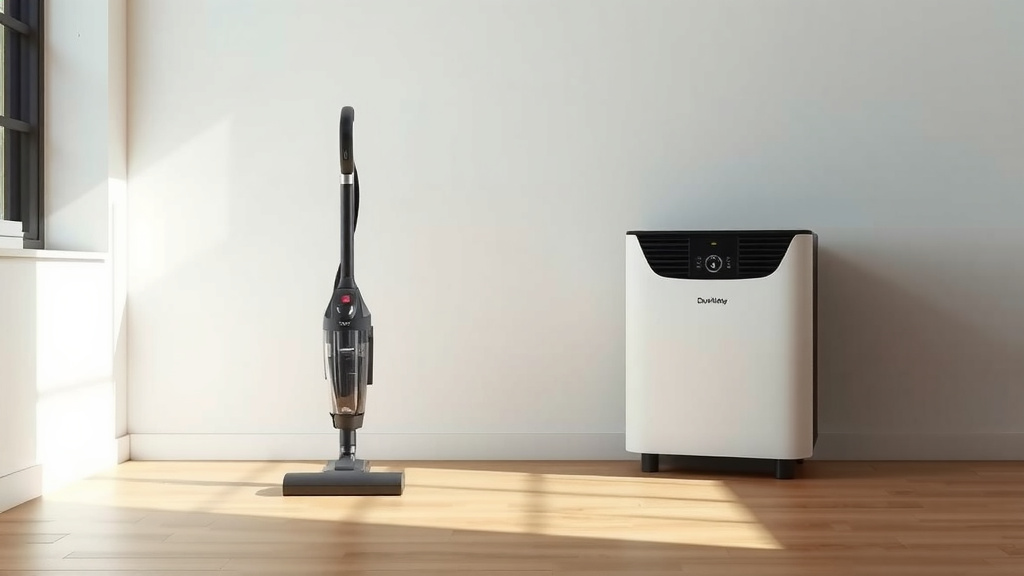
No, a Rainbow Vacuum cannot function as a dehumidifier. While it excels at cleaning and wet pickup, it lacks the specialized components to effectively remove humidity from the air in your home.
A Rainbow Vacuum is primarily a cleaning appliance that uses water to trap dirt and allergens, performing a very different task than a dedicated dehumidifier.
- A Rainbow Vacuum is for cleaning and liquid spills, not air dehumidification.
- It uses water filtration for dirt, not moisture removal from the atmosphere.
- Dehumidifiers actively pull water vapor from the air using refrigeration or desiccants.
- Trying to use a Rainbow vacuum as a dehumidifier will be ineffective for humidity control.
- For proper moisture management, you truly need a purpose-built dehumidifier.
Can a Rainbow Vacuum Be Used as a Dehumidifier?
No, a Rainbow Vacuum is not designed to function as a dehumidifier. It operates as a powerful cleaning system, not an air moisture removal device.
What is a Rainbow Vacuum Designed For?
Rainbow Vacuums are well-known for their unique water filtration system. They are built to clean carpets, bare floors, and upholstery. Their main purpose is to trap dirt and allergens in water, keeping them out of your breathing air.
These systems are excellent for households dealing with dust, pet dander, and other common allergens. They offer a deep clean you can often feel and see.
More Than Just a Vacuum?
While often called a vacuum, a Rainbow System performs many tasks. It can clean thoroughly, wash hard floors, and even purify ambient air by pulling it through its water bath. It excels at wet pickup, handling spills and minor floods with ease.
However, purifying air by cleaning it of particles is quite different from removing water vapor. These are distinct functions requiring different technologies.
How Does a Dehumidifier Actually Work?
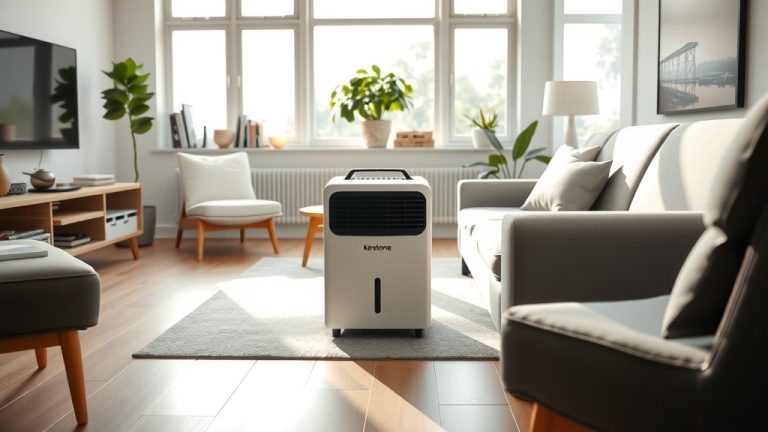
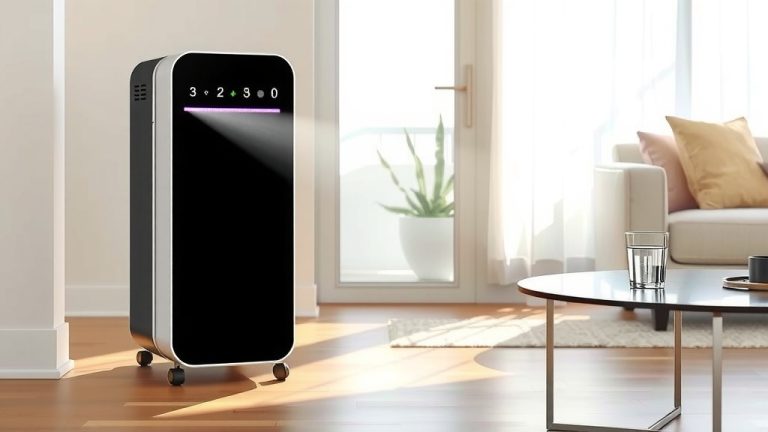
A dehumidifier’s job is straightforward: it removes excess moisture from the air. Think of it like a miniature air conditioner. It pulls in humid air over a cold coil.
As the moist air passes over this cold surface, the water vapor condenses into liquid droplets. These droplets then fall into a collection bucket or are drained away. The drier air is then released back into the room.
The Science of Moisture Removal
This process relies on the scientific principle of condensation. Warm, moist air meeting a cold surface loses its ability to hold water vapor. This is the fundamental difference from a vacuum that cleans solids and liquids already present.
Many experts emphasize that this refrigeration cycle is key (EPA). Some dehumidifiers use desiccants, which are materials that naturally absorb moisture, but the goal is the same: reduce airborne humidity.
Key Differences: Vacuum vs. Dehumidifier
Understanding the core function of each appliance highlights why they aren’t interchangeable. It’s like comparing a toaster to a microwave; both heat food, but in entirely different ways.
Water Filtration vs. Air Dehumidification
A Rainbow Vacuum uses water as a filter medium to clean air and surfaces. It collects dirt, dust, and spilled liquids. Its water basin captures physical particles, not atmospheric water vapor.
A dehumidifier, conversely, actively extracts water vapor from the air itself. It doesn’t clean particles in the same way, and its primary output is dry air and collected water.
Why You Shouldn’t Rely on a Vacuum for Humidity
Attempting to use your Rainbow Vacuum as a dehumidifier will be futile. It simply lacks the internal components and design to cool air and condense moisture effectively. You’d be running an appliance for a task it cannot perform.
Not only would it be ineffective, but you might also put unnecessary strain on the motor. Appliances work best when used for their intended purpose, ensuring longevity and safety.
Misconceptions About Wet Pickup
One common reason people might wonder about this is the Rainbow’s ability to pick up liquid spills. Seeing it suck up a puddle might make you think it can handle airborne water, too. However, picking up existing liquid is very different from extracting vapor from the atmosphere.
When you use it for a spill, you are removing bulk liquid. When you need to dehumidify, you are dealing with invisible moisture diffused throughout the air.
The Importance of Proper Humidity Control
Maintaining the right indoor humidity level is more than just about comfort. It plays a big role in your health and the preservation of your home. Too much moisture can cause a cascade of problems.
- Prevent Mold Growth: High humidity is a breeding ground for mold and mildew, which can trigger allergies and respiratory issues (CDC).
- Reduce Dust Mites: Dust mites thrive in humid environments. Lowering humidity helps control their population, a benefit for allergy sufferers.
- Protect Your Home: Excess moisture can damage wooden furniture, flooring, and even structural elements over time.
- Improve Air Quality: A drier environment often feels cleaner and less stuffy, making breathing easier and more pleasant.
- Eliminate Musty Odors: High humidity often comes with an unpleasant, musty smell. A dehumidifier tackles this problem at its source.
Health Benefits of Low Humidity
Many health organizations, including the Mayo Clinic, highlight the connection between indoor air quality and health. Keeping humidity between 30% and 50% can greatly reduce airborne irritants. This range discourages the growth of mold spores and bacteria.
For those with asthma or severe allergies, a properly dehumidified home can bring significant relief. It creates an environment that is less hospitable to common triggers.
Protecting Your Home from Moisture Damage
Your home’s structure and contents are vulnerable to high humidity. Wood can warp, paint can peel, and even electronics can suffer damage. A dehumidifier acts as a protector, safeguarding your valuable assets.
Imagine your hardwood floors buckling or important documents getting damp and sticky. A dehumidifier works silently to prevent these costly issues before they start, saving you money and stress.
What to Look For in a Real Dehumidifier
If you’ve determined you need to tackle humidity, investing in a dedicated dehumidifier is the smart choice. There are various types and features to consider, depending on your needs.
| Feature | Consideration for You |
|---|---|
| Capacity (Pints/Day) | Matches your room size and humidity level (e.g., 20-50 pints for most homes). |
| Drainage Options | Bucket (manual empty) or continuous drain (hose attachment). |
| Humidistat | Allows you to set a target humidity level, saving energy. |
| Energy Star Rated | Saves on electricity costs over time. |
| Portability | Wheels and handles if you plan to move it between rooms. |
Types of Dehumidifiers
Most common are refrigerant dehumidifiers, perfect for typical home use. For very cold spaces, a desiccant dehumidifier might be a better fit. These units don’t use a compressor, making them quieter and effective at lower temperatures.
Consider where you need the humidity removed. A small unit for a bathroom differs greatly from a large whole-house system. Your needs dictate the best choice.
When to Use a Dehumidifier
You might need a dehumidifier if you notice signs like condensation on windows, a musty smell, peeling wallpaper, or visible mold growth. Basements and bathrooms are common areas needing attention. If you live in a naturally humid climate, it’s often a necessity.
Many experts agree that proactive humidity control prevents larger problems down the road. Don’t wait until mold appears to take action.
Alternative Methods for Minor Moisture Issues
While a dehumidifier is best for significant humidity, some simple steps can help with minor moisture problems. These won’t replace a dehumidifier but can certainly assist.
Here’s a quick checklist to help you manage everyday moisture:
- Ventilate Regularly: Open windows and doors whenever possible to allow fresh air to circulate.
- Use Exhaust Fans: Always turn on your bathroom and kitchen exhaust fans when showering or cooking.
- Fix Leaks Promptly: Even small drips can add significant moisture to your home over time.
- Run Ceiling Fans: Air movement can help evaporate surface moisture and make rooms feel less stuffy.
- Dry Clothes Outside: If weather permits, line-drying clothes reduces indoor moisture.
Simple Steps for Better Air Quality
Beyond these immediate fixes, consistently maintaining your home helps. Ensure your HVAC system is clean and running efficiently. Keep an eye on your indoor plants, as they release moisture into the air.
These actions, combined with a dedicated dehumidifier when needed, create a much healthier and more comfortable living space for you and your family.
Conclusion
While the Rainbow Vacuum is a powerful and versatile cleaning tool, it is not designed to function as a dehumidifier. Its strength lies in deep cleaning and trapping dirt in water, not in extracting airborne moisture.
For effective and safe humidity control, your best bet is always a dedicated dehumidifier. Understanding the distinct roles of each appliance helps you make the best choices for your home’s health and comfort. Invest in the right tool for the right job, and you’ll breathe easier, literally.
FAQs
Can a Rainbow Vacuum clean up water spills?
Yes, a Rainbow Vacuum is very effective at cleaning up liquid spills. Its wet pickup capability allows it to quickly and efficiently remove standing water from various surfaces, making it great for accidents.
What is the ideal indoor humidity level?
Most experts, including organizations like the EPA, suggest maintaining indoor humidity levels between 30% and 50%. This range is generally considered optimal for comfort, health, and preventing mold growth.
Will running my air conditioner act as a dehumidifier?
An air conditioner does remove some humidity as a byproduct of cooling, as moisture condenses on its cold coils. However, it’s primarily designed for temperature control and may not be as efficient or effective as a dedicated dehumidifier for significant humidity issues.
How do I know if I have high humidity in my home?
Signs of high humidity include condensation on windows, a persistent musty odor, clammy or sticky air, visible mold spots on walls or ceilings, and warped wooden surfaces. A hygrometer can give you an exact reading.
Is it safe to leave a dehumidifier running all the time?
Modern dehumidifiers are generally safe to run continuously, especially if they have an automatic humidistat that turns the unit off once the desired humidity level is reached. Always follow the manufacturer’s guidelines for safe operation and maintenance.