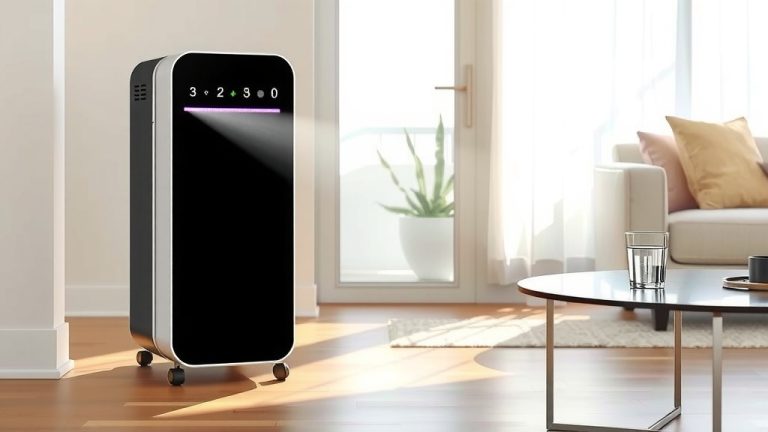
Can Dehumidifier Remove Bad Smell?

Yes, a dehumidifier can significantly help remove many types of bad smells in your home by tackling their root cause: excessive moisture. While it doesn’t directly neutralize odor molecules like an air purifier, it stops the growth of mold, mildew, and bacteria that often create musty, stale, or damp smells.
Think of it as preventing the bad smell from ever truly forming, rather than masking it after it appears.
- A dehumidifier primarily removes moisture from the air.
- This moisture reduction stops mold, mildew, and bacteria growth.
- These organisms are the main culprits behind musty, damp, and stale odors.
- So, while not an “odor remover,” it’s a powerful odor preventer.
- For best results, pair it with good ventilation and cleaning.
Can Dehumidifier Remove Bad Smell?
Absolutely, a dehumidifier can be your secret weapon against many unpleasant smells lurking in your home. It works by targeting the source of the problem: too much humidity.
You see, most bad smells, especially those musty, stale ones, thrive in damp environments. A dehumidifier dries out the air, making it hostile for these odor-causing culprits.
How Dehumidifiers Tackle Odors Indirectly
A dehumidifier doesn’t have a special “smell-eating” filter. Its magic lies in its ability to extract water vapor from the air. When the air becomes drier, a few wonderful things happen.
Firstly, it prevents the growth of tiny organisms that create those tell-tale odors. Secondly, a drier environment feels cleaner and fresher to your senses.
Mold and Mildew: The Prime Culprits
Have you ever noticed that damp, earthy smell in a basement or bathroom? That’s mold and mildew having a party. These fungi absolutely love moisture.
As they grow, they release volatile organic compounds (VOCs) into the air. These VOCs are what you smell. By reducing humidity, your dehumidifier makes it impossible for them to flourish, thus cutting off the odor at its source (Mayo Clinic).
Understanding the Science of Smell
Our noses detect odor molecules floating in the air. Different molecules create different smells. A dehumidifier primarily removes water molecules, not necessarily all odor molecules.
However, many offensive smells are either produced by or intensified by high humidity. Think about how a damp sponge smells versus a dry one – the difference is clear.
Dehumidifiers vs. Odor Absorbers
It’s important to understand the difference between a dehumidifier and an odor absorber. An odor absorber, like activated charcoal, actively traps smell molecules.
A dehumidifier, on the other hand, prevents new smell molecules from forming by controlling humidity. Both have their place in a fresh home, but they serve different functions.
Here’s a quick comparison:
| Device | Primary Function | How it Helps with Smell | Best For |
|---|---|---|---|
| Dehumidifier | Removes moisture from air | Prevents growth of mold, mildew, bacteria (odor sources) | Musty, damp, stale smells, high humidity areas |
| Air Purifier | Filters particles, gases from air | Traps odor molecules (with activated carbon filter) | Pet odors, cooking smells, smoke, allergens |
| Odor Absorber | Chemically or physically traps odor molecules | Neutralizes existing smells | Small areas, specific lingering odors |
When a Dehumidifier Truly Helps with Smells
There are specific situations where a dehumidifier is a true hero for your nose. If your problem is consistently damp air, it’s the best long-term solution.
Many experts say keeping indoor humidity between 30% and 50% is ideal for both comfort and odor control (CDC).
Musty Basements and Crawl Spaces
Basements are classic breeding grounds for musty smells. Lack of ventilation and natural dampness create a perfect environment for mold.
Placing a powerful dehumidifier in these areas can dramatically improve air quality and eliminate that tell-tale basement odor. It’s a common recommendation we found from home improvement experts.
Damp Garages and Storage Units
Do your stored items have a strange smell? Your garage or storage unit might be too humid. Old boxes, fabric, and wood can absorb moisture and develop a stale odor.
A dehumidifier helps preserve your belongings and keeps the space smelling much fresher. It protects your stored treasures from the unseen enemy of moisture.
What a Dehumidifier WON’T Fix
While powerful, a dehumidifier isn’t a magical fix for every bad smell. It’s important to have realistic expectations about its capabilities.
If the smell isn’t moisture-related, a dehumidifier might not be the right tool for the job. It’s like bringing a spoon to a knife fight.
Pet Odors and Cooking Smells
Your furry friend’s scent or yesterday’s fish dinner won’t be eliminated by a dehumidifier. These smells are caused by airborne particles and molecules, not excess moisture.
For these, you’d need good ventilation, cleaning, and perhaps an air purifier with activated carbon filters. They tackle the direct odor particles.
Chemical Fumes and VOCs
Paint fumes, cleaning product smells, or other chemical odors are also beyond a dehumidifier’s scope. These are direct chemical emissions into the air.
Ventilation is key here, and possibly an air purifier designed to filter out VOCs. A dehumidifier won’t do much for these distinct, often harsh, smells.
Combining Forces for a Fresh Home
For the freshest possible home, sometimes you need a multi-pronged approach. Think of it as a team effort to keep your air clean and clear.
We found that many people achieve the best results by combining different strategies. It’s about creating a holistic environment where bad smells can’t thrive.
Here’s a checklist for tackling bad odors:
- Identify the Source: Is it moisture? Food? Pets?
- Clean Thoroughly: Remove visible mold, wash fabrics, empty trash.
- Control Humidity: Use a dehumidifier in damp areas.
- Improve Ventilation: Open windows, use exhaust fans.
- Use Odor Absorbers: Place charcoal or baking soda in problem spots.
- Consider an Air Purifier: For pet dander, cooking smells, or general air quality.
Choosing the Right Dehumidifier for Your Needs
Picking the right dehumidifier is crucial for effectively tackling moisture-related odors. You wouldn’t use a tiny bucket to bail out a flood, right?
Understanding your space and its humidity levels will guide your choice. It ensures you get the most efficient and effective unit.
Capacity Matters
Dehumidifiers are rated by how much moisture they can remove in 24 hours (pints). A small unit won’t do much for a large, damp basement.
Match the capacity to your room size and how damp it typically gets. A good rule of thumb is more pints for larger, wetter spaces.
Desiccant vs. Refrigerant
Most home dehumidifiers are refrigerant models, which work well in warm, humid conditions. Desiccant models are better for colder environments, like unheated basements, because they don’t rely on refrigeration.
Consider the temperature of your space when making your decision. It ensures your unit operates at peak performance.
Conclusion
A dehumidifier is an excellent tool for removing certain bad smells, particularly those caused by excessive moisture, like musty or damp odors. It works by preventing the growth of mold, mildew, and bacteria that release these unpleasant scents.
However, it won’t directly eliminate smells from pets, cooking, or chemicals. For those, you’ll need other solutions like ventilation or air purifiers. By understanding its role, you can effectively use a dehumidifier to create a much fresher, healthier, and more enjoyable living environment.
Does a dehumidifier make a room smell better?
Yes, a dehumidifier can make a room smell significantly better by reducing humidity, which prevents the growth of mold, mildew, and bacteria – common sources of musty and stale odors. It tackles the root cause of these smells.
Can dehumidifiers get rid of the smell of mold?
While a dehumidifier helps prevent new mold growth and the associated smell, it won’t eliminate existing mold or its lingering odor if the mold itself isn’t removed. You need to clean up any visible mold first, then use a dehumidifier to keep it from returning.
How long does it take for a dehumidifier to remove musty smell?
The time it takes for a dehumidifier to reduce a musty smell varies. You might notice an improvement within a few hours to a day as humidity levels drop. For significant relief, especially in very damp areas, it could take a few days of continuous operation.
Should I run a dehumidifier 24/7 for odors?
For persistent odor issues linked to high humidity, running a dehumidifier continuously can be very effective. Many units have a humidistat, which allows them to run only when needed to maintain a set humidity level, saving energy.
Do dehumidifiers filter the air?
Dehumidifiers primarily remove moisture from the air, not airborne particles like dust, pollen, or specific odor molecules. Some models may have a basic filter to protect their internal components from larger dust, but they are not designed to purify air like an air purifier.