Can Dehumidifier Sit on Carpet?
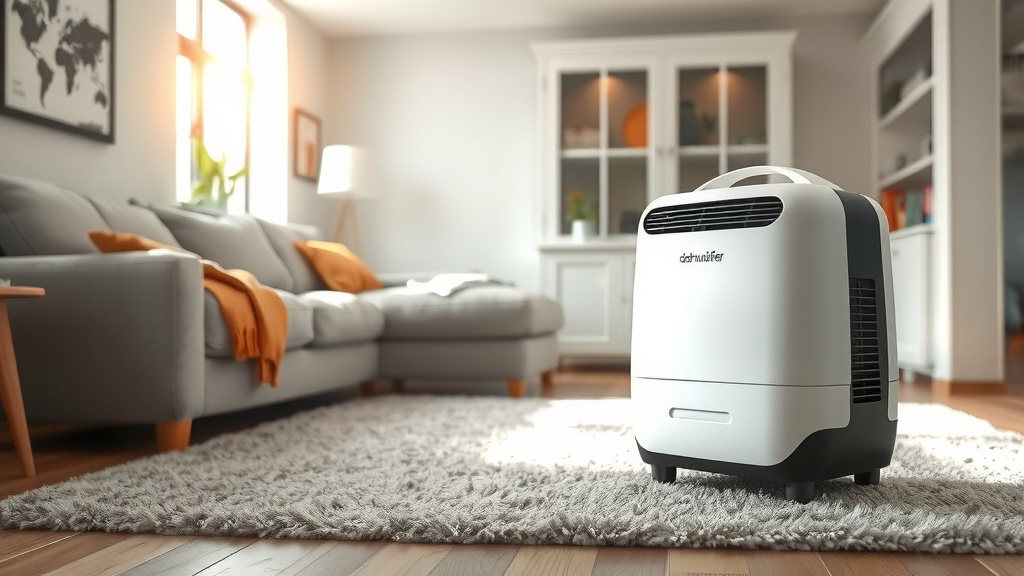
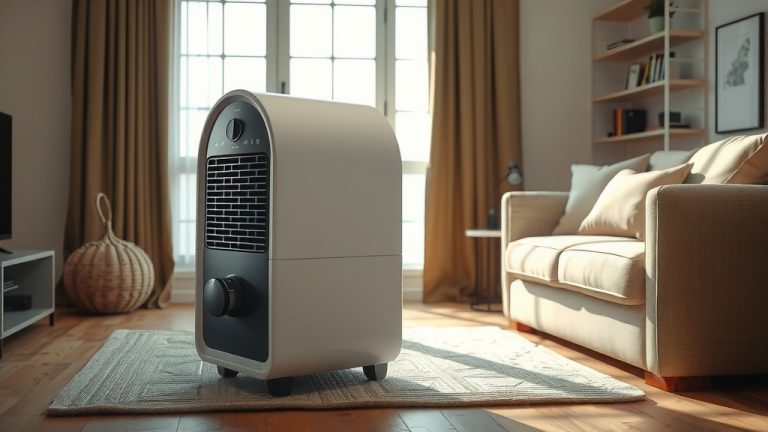
Yes, a dehumidifier can sit on carpet, but you should take precautions to prevent potential issues like mildew growth or restricted airflow.
Always place your dehumidifier on a sturdy, waterproof mat or elevated platform to ensure proper drainage and protect your carpet from moisture and potential damage.
- You can safely place a dehumidifier on carpet with some simple setup steps.
- The main concerns are airflow blockage, carpet damage, and stability for water collection.
- Using a waterproof mat or a sturdy, elevated base is highly recommended for protection.
- Regularly check for proper drainage and ensure vents are clear to maintain efficiency.
- With a little planning, your dehumidifier can effectively reduce humidity even on soft flooring.
Can Dehumidifier Sit on Carpet?
Yes, you can place a dehumidifier on carpet. However, it requires careful consideration to avoid problems like blocked vents or water damage. It’s not just about setting it down; it’s about setting it up correctly.
Why People Ask This Question
You might wonder if it’s safe to put a heavy appliance on your soft flooring. Is there a risk of it tipping over? Could it damage your carpet? These are all valid concerns, and we’re here to clear them up for you. Many homeowners share these thoughts (Consumer Reports).
The Main Risks of Carpet Placement
Let’s talk about the potential downsides. Ignoring these could lead to bigger headaches down the road. You definitely want to avoid any surprises, right?
Restricted Airflow
Carpet fibers, especially thick ones, can block the intake and exhaust vents of your unit. This might seem minor, but it can make your dehumidifier work harder. When airflow is poor, the machine heats up and struggles to pull moisture from the air efficiently.
Carpet Damage and Mildew
A leaky dehumidifier is a nightmare, especially on carpet. Even small drips can lead to unsightly stains, mildew growth, and a musty smell. We found that continuous moisture on carpet creates a perfect breeding ground for mold (EPA guidelines).
Stability Issues
A full water reservoir can make your dehumidifier quite heavy. Placing it on soft, uneven carpet can make it less stable. A slight bump could tip it, spilling water everywhere and potentially damaging the unit or your flooring.
Smart Solutions for Carpet Placement
Don’t worry, there are easy ways to overcome these risks. You can absolutely enjoy drier air in your carpeted rooms. It just takes a little preparation on your part.
Use a Sturdy, Waterproof Mat
This is your first line of defense. A simple waterproof mat, like those used under office chairs, creates a stable, protective barrier. It catches any rogue drips and provides a firm surface for your unit.
Elevate Your Dehumidifier
Raising the unit slightly off the carpet is a great idea. You can use a sturdy furniture dolly or even specially designed risers. This improves airflow around the vents and keeps the unit safe from spills.
Monitor for Leaks Regularly
Even with precautions, it’s wise to keep an eye on your dehumidifier. Check the water tank and hose connections regularly for any signs of leakage. Early detection can save you a lot of trouble.
Choosing the Right Spot on Carpet
Location, location, location! Where you place your dehumidifier makes a big difference. Think about where the moisture collects most in your room.
Away from Walls and Furniture
Give your unit some breathing room. Placing it a few inches from walls and furniture ensures optimal airflow. This allows the machine to pull in humid air and release dry air effectively throughout the room.
Near the Source of Humidity
If you have a specific damp area, like a corner near a bathroom, place the dehumidifier there. It will work most efficiently by tackling the problem at its source. This helps the machine do its job faster (National Institute of Environmental Health Sciences).
On a Level Surface
Always ensure the surface under your mat or risers is as level as possible. This prevents the unit from tipping and ensures the water collection system works properly. An unlevel unit might not drain right.
Maintenance Tips for Carpeted Rooms
Proper care extends the life of your dehumidifier and keeps your carpet safe. A little routine maintenance goes a long way. You want your unit to be happy, right?
Clean Filters Often
Dust and carpet fibers can clog filters quickly. We found that cleaning or replacing your dehumidifier’s filter every few weeks is crucial. This maintains efficiency and prevents strain on the motor.
Empty Water Tank Regularly
Don’t let the tank overflow! If your unit doesn’t have a continuous drain option, empty the tank as soon as it’s full. This prevents accidental spills and keeps the unit running smoothly.
Check Drainage Hose (If Applicable)
If you use a continuous drain hose, ensure it’s properly connected and free of kinks. A blocked hose can lead to water backing up and overflowing onto your carpet.
Dehumidifier Placement: Risks vs. Solutions
Here’s a quick overview to help you weigh the factors when placing your dehumidifier on carpet.
| Potential Risk | Smart Solution |
|---|---|
| Restricted Airflow | Elevate unit, ensure clear space around vents. |
| Carpet Damage/Mildew | Place on a sturdy, waterproof mat. |
| Stability Issues/Tipping | Use a level, firm base; avoid high-traffic areas. |
| Unit Overheating | Maintain clear vents and clean filters. |
Your Dehumidifier Carpet Placement Checklist
Before you power up, take a quick look at this list to make sure everything is good to go.
- Is the dehumidifier on a sturdy, waterproof mat?
- Is it elevated to ensure proper airflow?
- Are all vents clear from carpet fibers and obstructions?
- Is the unit stable and level?
- Are you ready to monitor the water tank or drainage hose?
- Is it placed a few inches from walls and furniture?
Conclusion
So, can your dehumidifier sit on carpet? Absolutely, with a little common sense and preparation. By taking a few simple steps, like using a mat and ensuring good airflow, you can prevent potential problems. You’ll keep your dehumidifier running efficiently and your carpet safe and dry. Drier air means a healthier and more comfortable home for you and your family.
Frequently Asked Questions
Can a dehumidifier make a carpet smell better?
Yes, indirectly. A dehumidifier reduces excess moisture in the air, which is a primary cause of musty odors in carpets. By lowering humidity, it creates an environment where mold and mildew are less likely to thrive, thereby helping to eliminate associated smells.
How often should I empty the water tank on carpet?
You should empty the water tank as soon as it’s full, or more frequently if you are concerned about spills. If your unit has a continuous drain option, connect a hose to a nearby drain to avoid manual emptying and reduce spill risk.
What if my dehumidifier leaks on carpet?
If your dehumidifier leaks, immediately unplug the unit and soak up as much water as possible from the carpet. Use towels and a wet/dry vacuum. If it’s a significant leak, consider professional carpet cleaning to prevent mold growth and extensive damage.
Does carpet absorb humidity from the air?
Yes, carpet fibers can absorb and hold onto moisture from the air, much like a sponge. This makes carpeted rooms feel damper and can contribute to higher indoor humidity levels if not managed. That’s why a dehumidifier is so helpful.
Are there specific dehumidifier types better for carpeted rooms?
Most standard portable dehumidifiers work well in carpeted rooms, provided you follow placement precautions. Look for models with a sturdy base, a reliable auto-shutoff feature when the tank is full, and a continuous drain option for added convenience and safety.