Can Dehumidifier Water Be Used in Batteries?
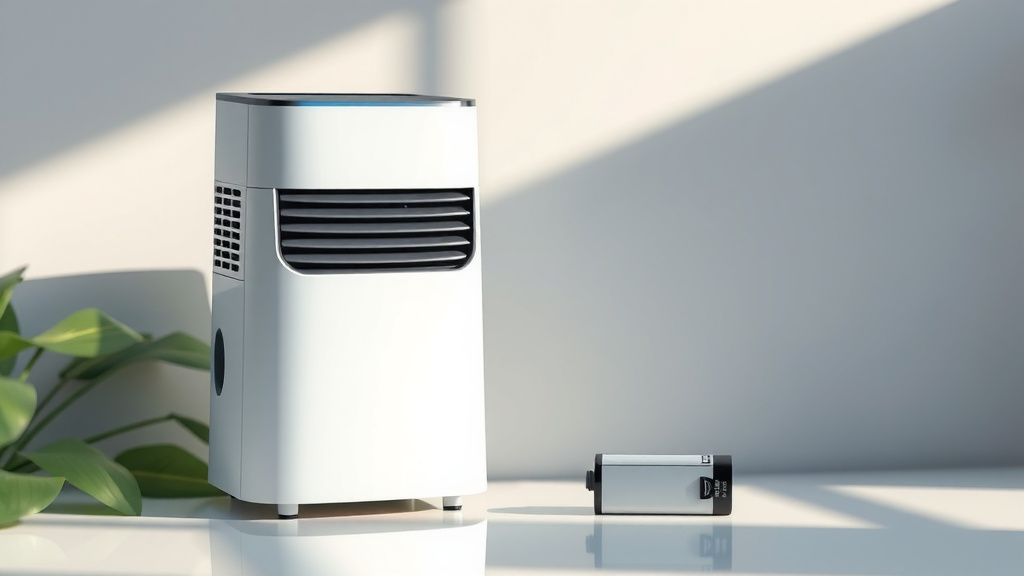
No, you absolutely should not use dehumidifier water in batteries. It contains various impurities like dust, mold spores, and minerals that can damage battery components.
Using dehumidifier water in your batteries can lead to corrosion, reduced efficiency, and significantly shorten the battery’s lifespan.
- Dehumidifier water is not clean enough for batteries.
- It contains minerals and contaminants harmful to battery chemistry.
- Always use distilled or deionized water for batteries that need topping up.
- Using the wrong water can cause damage and shorten battery life.
- Save dehumidifier water for other non-sensitive uses, like watering plants.
Can Dehumidifier Water Be Used in Batteries?
No, you really shouldn’t use dehumidifier water in your batteries. We found that this type of water carries contaminants that can harm your battery’s internal workings.
What’s the Real Problem with Dehumidifier Water?
When your dehumidifier pulls moisture from the air, it’s not just collecting pure water. It’s also gathering microscopic particles floating around your home. Think of it like a little indoor rainstorm.
Not Just Pure H2O
This collected water can contain tiny dust particles, pet dander, mold spores, and even bacteria. Minerals from the air or the dehumidifier’s internal parts can also dissolve into it. None of these things are good for your battery.
Why Batteries Need Special Water
Batteries, especially those used in vehicles or for deep cycling, are quite particular. They have a delicate internal environment that needs to stay balanced. Adding impurities can upset this balance.
The Role of Electrolytes
Many batteries use an electrolyte solution, which is a mix of acid and water. Over time, the water component can evaporate, needing a top-up. This is where the type of water you use becomes critically important.
The Hidden Dangers for Your Battery
Imagine introducing tiny unwanted guests into a sensitive chemical reaction. That’s what happens when you use regular or dehumidifier water in a battery. It creates problems you won’t see right away.
Corrosion and Short Circuits
The minerals and contaminants in dehumidifier water can build up on the battery plates. This build-up causes corrosion, eating away at the battery’s components. It can even create internal short circuits, severely impacting performance.
Reduced Battery Performance
Your battery might not hold a charge as well, or it could struggle to deliver power when needed. This leads to shorter battery life and the need for earlier replacements. Nobody wants a prematurely dead battery, right?
What Happens If You Use the Wrong Water?
Using improper water means introducing conductive elements into the battery. This interferes with the electrochemical process that makes the battery work. You’re essentially inviting trouble into a sensitive system.
Many experts say that even small amounts of impurities can significantly reduce a battery’s efficiency and longevity (Battery Council International).
The Right Water for Your Batteries
So, if dehumidifier water is out, what should you use? The answer is simple and clear: only distilled or deionized water.
Distilled vs. Deionized Water
Distilled water has undergone a process that removes minerals and impurities. It’s essentially pure H2O. Deionized water is another excellent option, as it also has mineral ions removed. Both are safe for your battery’s delicate chemistry.
Where to Find Battery-Safe Water
You can easily buy distilled water at most grocery stores, pharmacies, and even auto parts shops. It’s usually quite inexpensive. Don’t fall for the temptation to use tap water, even if it looks clean, as it contains minerals.
Other Smart Uses for Dehumidifier Water
Just because it’s not suitable for batteries doesn’t mean dehumidifier water is useless. You can repurpose it for many things around the house that aren’t sensitive to impurities.
- Watering non-edible plants (check plant sensitivity first).
- Flushing toilets (a great water-saving tip).
- Washing floors or rinsing cleaning rags.
- Filling steam irons (helps reduce mineral build-up compared to tap water).
- Cleaning outdoor furniture or tools.
A Quick Look: Dehumidifier Water vs. Distilled Water
To help you see the differences clearly, here’s a simple comparison:
| Feature | Dehumidifier Water | Distilled Water |
|---|---|---|
| Source | Airborne moisture | Boiling & condensing steam |
| Purity | Contains dust, mold, minerals | Virtually pure H2O, no minerals |
| Cost | Free byproduct | Low cost to purchase |
| Battery Use | Not Recommended | Highly Recommended |
| Other Uses | Cleaning, non-edible plants | Sensitive applications (e.g., medical devices, laboratory) |
What NOT to Put in Your Batteries
To keep things simple, here’s a quick checklist of what to avoid when topping up your battery’s water levels:
- Tap water
- Filtered water (even Brita filters don’t remove all minerals)
- Rainwater
- Water from a dehumidifier
- Bottled spring or purified drinking water
Dispelling Common Water Myths
Some people think that if water looks clear, it must be pure enough. That’s a myth! The impurities harmful to batteries are often invisible to the naked eye. Research shows clarity doesn’t equal purity when it comes to battery maintenance (NIH).
Another myth is that “a little bit won’t hurt.” Over time, even small amounts of contaminants can accumulate and cause significant damage. It’s like a slow drip eroding a stone.
Prioritizing Battery Health
Maintaining your batteries correctly extends their life and saves you money. Always check your battery manufacturer’s recommendations for the specific type of water to use. When in doubt, always reach for distilled water.
Conclusion
While it might seem like a clever way to recycle, using dehumidifier water in your batteries is a definite no-go. The hidden impurities within it pose a real threat to your battery’s health and lifespan. Stick to readily available distilled or deionized water for battery top-ups, and save that dehumidifier water for less sensitive tasks around your home. Your batteries will thank you for it!
FAQs
Can I use filtered tap water instead of distilled water for my car battery?
No, filtered tap water is not a suitable substitute for distilled water in batteries. While filters can remove some particles and chlorine, they do not remove the dissolved minerals and salts that can still harm your battery’s internal components and lead to damage over time.
How often do I need to add water to my battery?
The frequency of adding water depends on the type of battery, its age, and how it’s used. Batteries that are regularly discharged deeply or used in hot climates may need water more often. It’s a good practice to check the water levels every few months or as recommended by the battery manufacturer.
What kind of batteries require water top-ups?
Typically, only flooded lead-acid batteries (also known as “wet cell” batteries) require periodic water top-ups. These include many car batteries, deep-cycle batteries for RVs or boats, and certain industrial batteries. Sealed, maintenance-free batteries or AGM/Gel batteries do not require water additions.
What happens if I overfill my battery with water?
Overfilling a battery can cause the electrolyte solution to spill out, especially during charging when the liquid expands or gases are produced. This spilled electrolyte is corrosive and can damage battery terminals, surrounding components, and even cause skin irritation. Always fill to the designated “fill line” or just cover the plates.
Is there a difference between “purified” water and “distilled” water for batteries?
Yes, there can be a big difference. “Purified” water can refer to various processes like reverse osmosis or filtration, which may not remove all the trace minerals. Distilled water, by definition, has been boiled and condensed, effectively removing nearly all impurities, making it the safest choice for battery use. Always look for “distilled” specifically.