Can Dehumidifiers Be Used in Bathrooms?
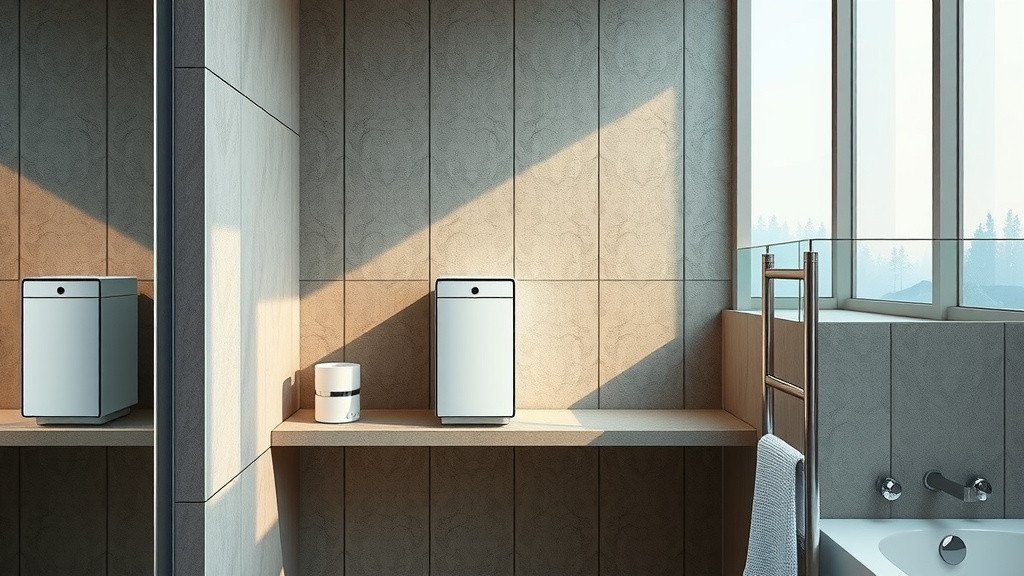
Yes, dehumidifiers can absolutely be used in bathrooms and are often a practical solution to combat high humidity and prevent moisture-related issues.
Using a dehumidifier in your bathroom helps control excess moisture, protecting your home from mold, mildew, and structural damage.
- Too much bathroom humidity can cause mold, mildew, and peeling paint.
- A dehumidifier actively removes excess moisture from the air, creating a healthier environment.
- Choose a unit sized for your bathroom, often a smaller, portable model works best.
- Always prioritize electrical safety, especially near water, using GFCI outlets.
- Consider a unit with continuous drainage for less maintenance.
Can Dehumidifiers Be Used in Bathrooms?
Yes, using a dehumidifier in your bathroom is a smart and effective way to manage moisture. It tackles problems like condensation and mold head-on, giving you a drier, fresher space. This small appliance can make a big difference in the room that often gets the dampest.
Why Your Bathroom Needs a Dehumidifier
Your bathroom is a humidity hotspot, isn’t it? Every shower and bath releases a lot of water vapor into the air. If this moisture isn’t removed quickly, it settles on surfaces, creating a perfect breeding ground for undesirable guests. We found that high humidity can lead to several common household issues (Environmental Protection Agency).
Excess moisture can cause mold and mildew to grow on grout, walls, and shower curtains. This not only looks unpleasant but can also cause musty odors. More importantly, it may contribute to respiratory problems for sensitive individuals. A dehumidifier directly combats this problem by pulling that extra moisture out of the air.
Beyond visible mold, consistent humidity can harm your bathroom’s structure. It can cause paint to peel, wallpaper to bubble, and wooden cabinets to warp. Protecting your bathroom surfaces from constant dampness extends their lifespan and look. Think of a dehumidifier as a small but mighty guardian for your bathroom’s integrity.
Signs Your Bathroom is Too Humid
How do you know if your bathroom is really too humid? You might notice clear signs that it’s time to act. For instance, if your mirror stays fogged up long after a shower, or water beads on the walls, that’s a big clue. This visible condensation indicates that the air holds too much moisture.
Perhaps you’ve started to smell a faint, damp odor, even after cleaning. A persistent musty smell is often an early warning sign of mildew growth in hidden spots. We often see that this odor is more noticeable in poorly ventilated bathrooms. Keep an eye out for peeling paint or cracking caulk, as these are also strong indicators that humidity is causing damage.
The Science Behind Bathroom Humidity
It’s simple really: hot water from showers and baths quickly turns into vapor. This vapor increases the relative humidity inside the room dramatically. Without proper ventilation, this moist, warm air gets trapped. It then cools and condenses back into liquid water on cooler surfaces like walls, ceilings, and mirrors. This creates that damp, sticky feeling and the perfect conditions for mold.
Choosing the Right Dehumidifier for Your Bathroom
Selecting the best dehumidifier for your bathroom doesn’t have to be complicated. You’ll want one that’s small enough to fit but powerful enough to handle the moisture. The “pint capacity” tells you how much moisture a unit can remove per day. For most bathrooms, a smaller capacity unit is often sufficient.
Think about the specific conditions in your bathroom. Is it very cold in winter, or always warm? This can influence the type of dehumidifier that works best. Consider also how much noise it makes and how often you’re willing to empty the water tank. We found that convenience features can greatly impact your satisfaction.
Types of Dehumidifiers Explained
There are two main types of dehumidifiers you’ll encounter: compressor and desiccant. Compressor dehumidifiers work much like a refrigerator, drawing air over cold coils to condense moisture. They work best in warmer environments, typically above 65°F. Many experts suggest them for year-round use in temperate climates.
Desiccant dehumidifiers use a special material to absorb moisture from the air. They are often more effective in cooler temperatures, even below 40°F. If your bathroom gets quite chilly, especially in the winter, a desiccant model might be a better choice. For a small bathroom, you might even consider tiny, portable units or electric mini-dehumidifiers that are very compact.
What Size Dehumidifier Do You Need?
Matching the dehumidifier’s capacity to your bathroom size is vital for efficiency. For a typical small to medium bathroom (up to 50 square feet), a 10-pint or 20-pint unit is usually enough. If your bathroom is larger or experiences extremely high humidity, you might need a slightly larger one. Many manufacturers provide a handy chart to guide your choice (Energy Star).
Remember, a unit that’s too small won’t keep up, and one that’s too large will waste energy. It’s about finding that sweet spot for optimal moisture removal.
Placement and Safety Tips for Bathroom Dehumidifiers
Where you place your dehumidifier makes a big difference in its effectiveness and safety. Don’t just tuck it into a corner and forget it. Proper placement ensures it can draw in moist air and circulate dry air efficiently. We suggest keeping it away from direct water splashes to protect the electrical components.
Safety should always be your top concern, especially when mixing electricity and water. Your bathroom already has specific electrical codes for a reason. Always plug your dehumidifier into a GFCI (Ground Fault Circuit Interrupter) outlet. This specialized outlet can cut power quickly if it detects an electrical fault, preventing shocks and hazards.
Where to Position Your Dehumidifier
Place your dehumidifier in an open area where air can freely circulate around it. Avoid blocking the air intake or exhaust vents. A spot on the floor, away from the immediate shower area, is often ideal. Some people place them on a small stool or shelf if space allows, as long as it’s stable. Just be sure to keep it away from doors that might block its airflow.
Safety First: Electrical Considerations
Using any electrical appliance in a bathroom requires caution. Always ensure the dehumidifier’s power cord is in good condition, without frays or damage. Never use extension cords unless absolutely necessary, and if you do, ensure it’s rated for outdoor use and plugged into a GFCI. Your safety and the protection of your home are paramount.
Emptying the Water Tank: Your Options
Most small bathroom dehumidifiers come with a removable water tank that you’ll need to empty regularly. This is a straightforward process, but it does require attention. Some models offer a continuous drainage option, where you can attach a hose that drains directly into a sink or floor drain. This is a fantastic feature for hands-off operation and constant moisture control.
Pros and Cons of Using a Dehumidifier in Your Bathroom
Using a dehumidifier in your bathroom offers clear advantages, but it also comes with a few considerations. Weighing these can help you decide if it’s the right choice for your home. We found that the benefits generally outweigh the drawbacks for most homeowners dealing with persistent humidity.
| Aspect | Pros of Bathroom Dehumidifiers | Cons of Bathroom Dehumidifiers |
|---|---|---|
| Moisture Control | Reduces humidity effectively, preventing mold. | Requires energy to operate, increasing utility bills. |
| Air Quality | Helps eliminate musty odors and allergens. | Can be noisy, especially compressor models. |
| Maintenance | Protects bathroom surfaces and structures. | Needs regular cleaning and water tank emptying. |
| Safety | Creates a healthier environment. | Electrical appliance near water needs careful handling. |
Alternative Ways to Reduce Bathroom Humidity
While a dehumidifier is powerful, it’s not the only tool in your arsenal against humidity. Good ventilation is your first line of defense. Always use your exhaust fan during and after showers for at least 15-20 minutes. Opening a window, even for a short while, can also help. Wiping down shower walls and doors after use helps too.
Some people simply keep the bathroom door open after showering to allow the humid air to dissipate into other parts of the house. However, this only shifts the problem, not solves it. These steps are great complementary practices to using a dehumidifier or can sometimes be enough for bathrooms with only minor humidity issues.
When a Dehumidifier Might Not Be Enough
If you’re using a dehumidifier and still fighting mold or excessive dampness, there might be a bigger issue. Persistent water leaks from plumbing or a roof could be the culprit. A dehumidifier treats the symptom, but not the source of water. We suggest consulting a professional if you suspect structural leaks or insulation problems are contributing to your humidity woes.
Maintaining Your Bathroom Dehumidifier
To keep your dehumidifier working its best, a little routine maintenance goes a long way. The most important task is cleaning the air filter. A clogged filter reduces efficiency and can shorten the unit’s lifespan. Most filters are washable; just rinse them under warm water and let them dry completely before putting them back.
Beyond the filter, occasionally wipe down the exterior of the unit to prevent dust buildup. If you have a continuous drain hose, check it periodically for clogs or kinks. Regular maintenance ensures your dehumidifier continues to protect your bathroom effectively. It ensures you get the most from your investment.
A Quick Checklist for Dehumidifier Care
- Read your unit’s manual for specific instructions.
- Clean the air filter every two weeks or as recommended.
- Empty the water tank promptly when full.
- Check the continuous drain hose for clogs.
- Wipe down the unit’s exterior periodically.
- Store it properly if not used year-round.
Conclusion
Using a dehumidifier in your bathroom is a practical and effective strategy to combat excess moisture, protect your home, and improve air quality. By understanding how they work, choosing the right size, and following safety guidelines, you can significantly reduce the risk of mold, mildew, and structural damage. It’s a simple addition that offers substantial peace of mind.
How often should I run a dehumidifier in my bathroom?
For optimal results, it’s best to run your bathroom dehumidifier during and after showers or baths for at least an hour or two. If you notice persistent dampness or mold growth, you might need to run it more frequently, perhaps even continuously on a humidistat setting to maintain a target humidity level.
Can I use a regular room dehumidifier in a small bathroom?
Yes, you can use a regular room dehumidifier, but make sure it’s sized appropriately for a smaller space. Many smaller, portable dehumidifiers are perfect for bathrooms. Just ensure it has enough capacity for the room and that you prioritize electrical safety given its proximity to water.
What is the ideal humidity level for a bathroom?
Experts generally agree that the ideal relative humidity level for any indoor space, including a bathroom, is between 30% and 50%. Keeping your bathroom within this range helps prevent mold growth, dust mites, and helps preserve the integrity of your fixtures and finishes (Mayo Clinic).
Are there any specific features to look for in a bathroom dehumidifier?
Look for features like a built-in humidistat for automatic operation, a continuous drainage option for less frequent emptying, and quiet operation. An auto-shutoff feature when the tank is full or a timer can also be very convenient for bathroom use.
Will a dehumidifier help with bathroom odors?
Yes, a dehumidifier can help reduce musty odors in your bathroom. These odors are often caused by mold and mildew thriving in damp conditions. By removing the excess moisture that allows these organisms to grow, the dehumidifier effectively tackles the root cause of the smell, leading to a fresher-smelling bathroom.