Can Dehumidifiers Cause Cancer?
No, scientific research and health organizations have found no direct link showing that dehumidifiers cause cancer. When properly maintained, these devices are safe for your home.
Dehumidifiers actually improve indoor air quality by reducing excess moisture. This process helps prevent mold and mildew growth, which are factors that can pose health risks.
- Dehumidifiers do not cause cancer; this claim is unfounded by scientific research.
- They are generally safe and improve indoor air by reducing humidity.
- Proper maintenance, like cleaning filters, is key to safe operation.
- Old units might have outdated refrigerants, but these pose no cancer risk in sealed systems.
- Focus on keeping your home’s humidity between 30-50% for optimal health benefits.
Can Dehumidifiers Cause Cancer?
No, there is no credible scientific evidence or research that suggests dehumidifiers cause cancer. We found that these devices are safe for home use when operated correctly.
It’s natural to worry about the appliances in your home and their potential impact on your health. Let’s look at the facts about dehumidifiers.
How Do Dehumidifiers Actually Work?
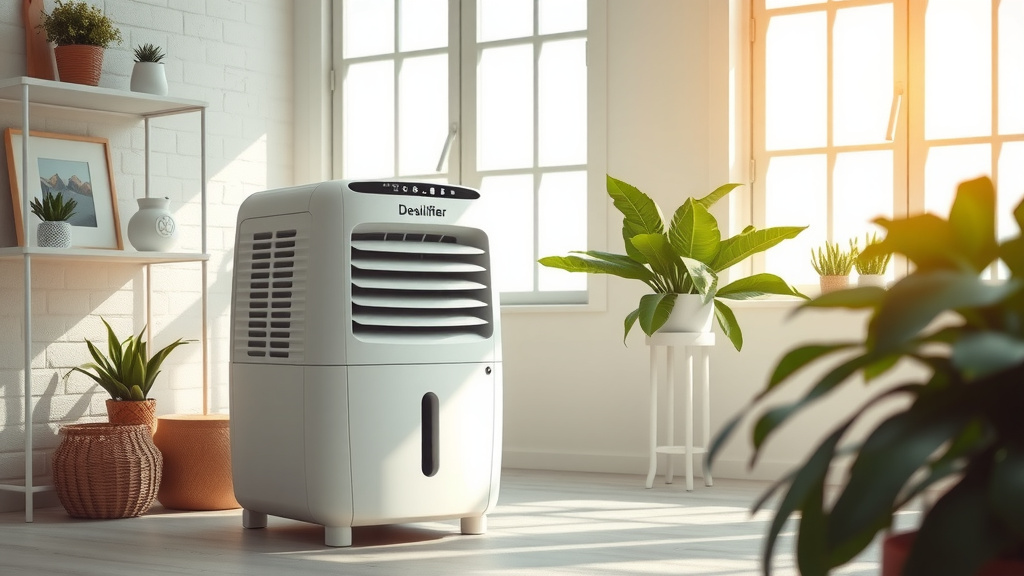
A dehumidifier works much like a small refrigerator. It pulls in humid air from your room.
Inside, the air passes over cold coils, which cause the moisture to condense into water droplets. This water collects in a bucket or drains away.
The now dry, cooler air is then released back into the room. It’s a simple, physical process.
Not a Chemical Factory
Dehumidifiers do not use chemicals to remove moisture from the air. There are no chemical reactions involved that could create harmful byproducts.
Think of your dehumidifier like a tiny, vigilant sponge, constantly soaking up excess moisture. It simply changes the state of water vapor into liquid water.
The Real Benefits: Healthier Home, Healthier You
Instead of causing harm, dehumidifiers actually bring many health benefits. Many experts agree that controlling indoor humidity is vital for good air quality (Environmental Protection Agency).
By keeping humidity in check, you create a less hospitable environment for common household irritants.
Tackling Mold and Mildew
Mold and mildew thrive in damp, humid conditions. You’ve probably seen them growing in bathrooms or basements.
Mold spores can trigger allergic reactions and respiratory problems for many people. A dehumidifier directly combats this problem, helping to prevent their growth.
Easing Allergies and Asthma
Beyond mold, high humidity also creates a paradise for dust mites. These tiny creatures are a common trigger for allergies and asthma.
Lowering the humidity in your home can significantly reduce dust mite populations. This can bring noticeable relief for allergy sufferers.
What About Potential Dehumidifier Risks?
It’s wise to ask about any potential downsides of appliances. Some concerns come up, but they often stem from misunderstandings or outdated information.
Let’s clear up some of these common worries you might have.
Understanding Refrigerants: No Cancer Link
Dehumidifiers use refrigerants, similar to your refrigerator or air conditioner. These are sealed within the unit’s coils.
Modern dehumidifiers typically use hydrofluorocarbons (HFCs), which are ozone-friendly. There’s no evidence linking these refrigerants, when contained, to cancer (CDC).
Ozone Production: A Non-Issue with Modern Units
Some people worry about ozone, a lung irritant. Ozone-producing air purifiers exist, but these are distinct from dehumidifiers.
Modern compressor-based dehumidifiers do not emit ozone. If you have an older unit or a specific air purifier, always check the product specifications.
Dust and Air Quality: The Maintenance Factor
If not cleaned, a dehumidifier’s filter can collect dust and other particles. Releasing this dirty air back into your room is certainly not ideal.
This isn’t a cancer risk, but it certainly impacts air quality. Regular cleaning is a simple fix for this.
The Truth About Older Dehumidifier Models
What if your dehumidifier is a bit older? Does that change anything? Not significantly when it comes to cancer risks.
Older units might be less energy-efficient or louder, but their basic function remains the same.
Refrigerants of the Past
Very old dehumidifiers might use refrigerants like R-12 or R-22. These are not used in new products due to environmental concerns, specifically their impact on the ozone layer.
However, even these older refrigerants, when safely contained within the dehumidifier, pose no direct cancer risk to you (National Institutes of Health).
Keeping Your Dehumidifier Safe and Efficient
Your dehumidifier is a helpful tool for your home. Like any appliance, it works best and safest with a little care.
A quick bit of regular maintenance goes a long way.
Your Essential Dehumidifier Maintenance Checklist
- Clean the air filter regularly, usually every 2-4 weeks. Dust buildup makes it less efficient.
- Empty the water bucket promptly to prevent spills and mold growth inside the bucket itself.
- Check the drainage hose if you use one, ensuring it’s free of kinks or blockages.
- Wipe down the exterior with a damp cloth to remove dust and dirt.
- Ensure proper airflow around the unit; don’t block the intake or exhaust vents.
Common Dehumidifier Myths Debunked
Let’s quickly compare some common misunderstandings with the facts about dehumidifiers.
| Myth | Fact |
|---|---|
| Dehumidifiers use harmful chemicals. | They use a physical refrigeration process to condense water, no chemicals involved. |
| They release toxic fumes into the air. | Modern, properly maintained units only release drier, filtered air. |
| Older units are inherently dangerous. | While less efficient, older units with sealed refrigerants are not a cancer risk. |
| They can make your home too dry and unhealthy. | You control the humidity setting, aiming for a healthy 30-50% range. |
The Bottom Line on Dehumidifiers and Health
We found no evidence to suggest a link between dehumidifier use and cancer. The primary goal of these appliances is to improve your indoor environment.
By controlling humidity, you are actively working to reduce elements like mold and dust mites that can negatively impact your respiratory health. Think of it as investing in your home’s well-being.
Conclusion
Rest assured, the idea that dehumidifiers cause cancer is a myth. Scientific and health organizations confirm that these devices are safe for use in your home.
Instead of posing a risk, your dehumidifier is a valuable tool for creating a healthier living space. By managing humidity, you effectively combat mold, dust mites, and other allergens.
Keep your unit clean, operate it according to the manufacturer’s guidelines, and enjoy the cleaner, drier air. You are taking a positive step for your home’s air quality and your family’s comfort.
What is the ideal humidity level for a home?
The ideal indoor humidity level for comfort and health is typically between 30% and 50%. This range discourages mold growth and keeps dust mites at bay.
Can a dehumidifier make my allergies worse?
No, a dehumidifier should actually help reduce allergy symptoms. By lowering humidity, it decreases the presence of common allergens like mold spores and dust mites, which thrive in damp conditions.
How often should I clean my dehumidifier’s filter?
You should clean your dehumidifier’s air filter every 2 to 4 weeks, depending on how often you use it and how dusty your environment is. A clean filter ensures optimal performance and better air quality.
Do dehumidifiers use a lot of electricity?
The electricity usage of a dehumidifier varies by model and size. Generally, smaller units use less power, while larger ones use more. Modern, energy-efficient models are designed to minimize energy consumption.
Is it safe to leave a dehumidifier running all the time?
Yes, it is generally safe to leave a dehumidifier running continuously, especially if you have a model with a continuous drain option. Many units also have an auto-shutoff feature when the desired humidity level is reached or the water bucket is full.