Can Home Dehumidifiers Be Recharged?
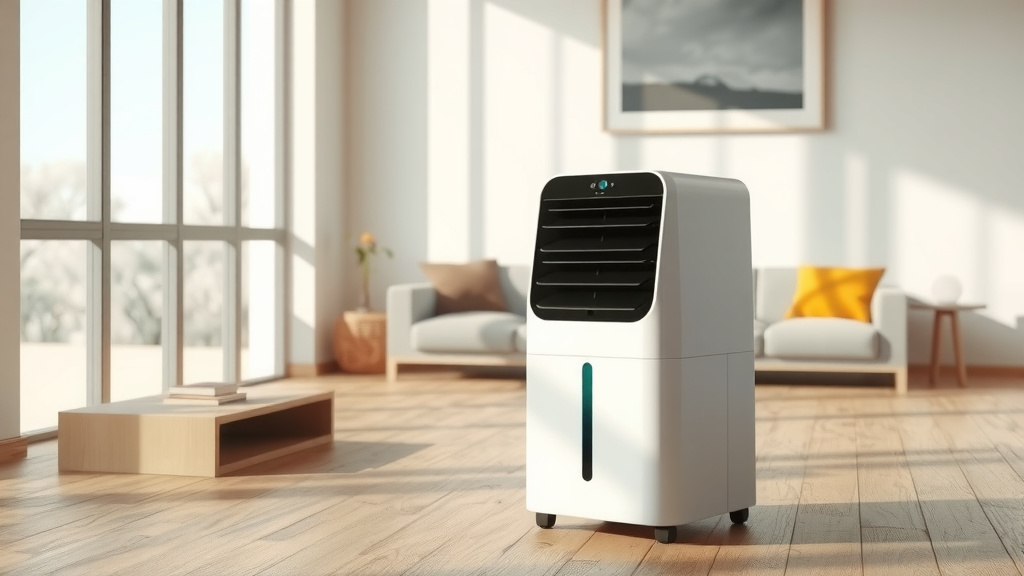
No, standard home dehumidifiers typically cannot be “recharged” in the way you might think. They continuously remove moisture from the air through a refrigeration process, not by depleting a consumable substance.
Instead of recharging, you simply need to empty the collected water or ensure a continuous drainage system is working properly for your home dehumidifier.
Here’s the quick scoop on your dehumidifier recharge question:
- Most household dehumidifiers don’t need “recharging” like a battery or a propane tank.
- They work by refrigeration, pulling moisture from the air and collecting it as water.
- Your main task is to empty the water reservoir or check the drain hose.
- Desiccant dehumidifiers do have replaceable or regenerable desiccant material, which is a different concept.
- Regular cleaning and maintenance are key to keeping your unit working efficiently.
Can Home Dehumidifiers Be Recharged?
No, your typical household dehumidifier does not get recharged. It’s designed to continuously extract moisture from the air, a process that doesn’t “run out” of a charge.
Understanding How Your Dehumidifier Works
Many people wonder about recharging because other home devices use batteries or consumable elements. Dehumidifiers operate differently, focusing on a physical process.
Knowing how your unit functions helps clarify why “recharging” isn’t part of its operation. It’s all about managing moisture in the air.
The Refrigeration Method
Most common home dehumidifiers are called refrigerant or compressor dehumidifiers. They work much like a small refrigerator or air conditioner.
Warm, moist air is drawn over cold coils, causing water vapor to condense into liquid. This collected water drips into a bucket or drains away.
The dry air is then reheated and released back into your room. This cycle happens continuously, as long as the unit is running and there’s moisture to remove.
Desiccant Dehumidifiers: A Different Story
Some dehumidifiers, especially in cooler climates or specialized industrial settings, use a desiccant material. This material naturally absorbs moisture from the air.
These units often have a regenerating heater that dries out the desiccant, allowing it to absorb more water. In some smaller, passive desiccant products, you might replace the desiccant packs when they become saturated (research by manufacturers). This is the closest concept to “recharging.”
Why the “Recharge” Idea Might Be Confusing
The term “recharge” might come from other home products you own. For example, some devices have batteries you recharge. Others might use filters or cartridges that need replacing.
With a dehumidifier, the core mechanism is a closed-loop system for refrigerant models. It simply converts airborne water vapor into liquid water.
What Needs Your Attention (Not a Recharge)
Instead of recharging, your dehumidifier needs you to manage the collected water. You will either empty the water bucket regularly or ensure a continuous drainage hose works correctly.
Proper maintenance, like cleaning filters, is also key for efficient operation. This keeps your air clean and your unit running smoothly.
Essential Maintenance for Your Dehumidifier
Think of dehumidifier care as regular tune-ups, not recharges. These simple steps keep your unit effective and extend its life. Many experts recommend these tips (ASHRAE guidelines).
- Clean the Air Filter: Dust and debris can clog filters, restricting airflow. Clean or replace your filter every few weeks, especially if you use the unit often.
- Empty the Water Bucket: Don’t let the bucket overflow. Empty it when full, or connect a hose for continuous drainage.
- Check for Continuous Drainage Issues: If you use a hose, check it regularly for kinks or blockages. Make sure the hose has a proper downward slope.
- Regular Coil Cleaning: Over time, coils can accumulate dust and grime. Gently clean them with a soft brush or vacuum attachment to maintain efficiency.
- Inspect Power Cord: Always ensure the power cord is in good condition. Look for fraying or damage and replace if necessary for safety.
When to Consider a Replacement vs. Repair
Even with great care, dehumidifiers do not last forever. Knowing when to fix or replace can save you money and headaches.
The lifespan of a typical dehumidifier is about 5-7 years, though some can last longer (appliance industry averages).
Signs of a Struggling Unit
Watch for clues that your dehumidifier is not performing its best. Is it running constantly but not collecting much water?
Perhaps it’s making unusual noises or has a musty odor. These are often signs that its internal components are struggling or failing.
Maximizing Your Dehumidifier’s Lifespan
You can do a few things to ensure your dehumidifier gives you many years of service. It’s about proactive care and smart usage.
- Place It Correctly: Position your unit away from walls and furniture to ensure proper airflow.
- Keep Doors and Windows Closed: This prevents new moisture from entering, allowing the dehumidifier to work effectively.
- Clean It Regularly: Follow the maintenance tips above. A clean unit runs more efficiently.
- Monitor Humidity Levels: Use the built-in humidistat or a separate hygrometer to set your desired humidity, typically between 30-50% (EPA recommendations).
- Store It Properly: If you only use it seasonally, clean and store your unit in a dry, protected area when not in use.
Common Dehumidifier Types and Their Needs
Different types of dehumidifiers have distinct operating principles and maintenance requirements. Understanding these helps clarify why “recharging” is not a universal concept.
| Dehumidifier Type | How It Works | What It “Needs” |
|---|---|---|
| Refrigerant (Compressor) | Draws air over cold coils to condense moisture. | Water bucket emptied, filter cleaned, coils cleaned. |
| Desiccant | Absorbs moisture using a special material. | Desiccant regeneration (heater) or replacement packs. |
| Thermo-Electric (Peltier) | Uses a Peltier plate to create cold surfaces for condensation. | Water tank emptied, dust kept clear from heat sinks. |
Conclusion
So, to put it simply, your home dehumidifier typically does not need “recharging.” It’s not like filling up a tank or swapping out a battery. Instead, these appliances are designed to continuously extract moisture from the air through a refrigeration cycle, much like your refrigerator cools food.
Your primary responsibilities are to empty the collected water and perform regular, simple maintenance. Cleaning filters, ensuring proper drainage, and keeping coils dust-free are the real “charges” that keep your unit running effectively. By understanding how your dehumidifier operates and following basic care routines, you can ensure it provides optimal performance and a longer lifespan, keeping your home comfortably dry without any mysterious recharging needed.
FAQs About Dehumidifiers
Can I add refrigerant to my home dehumidifier myself?
No, you generally cannot and should not add refrigerant to your home dehumidifier yourself. Refrigerant leaks and recharges require specialized tools and knowledge. Only a qualified HVAC technician should handle refrigerants, as they are potent greenhouse gases and must be managed carefully (EPA guidelines).
How do I know if my dehumidifier is working correctly?
You can tell if your dehumidifier is working by checking its water collection bucket. If it’s filling up, it’s removing moisture. You might also notice a drier feel in the air or see the humidity level on the unit’s display decreasing. A simple hygrometer can confirm actual room humidity.
What is the ideal humidity level for a home?
Many experts recommend keeping your indoor humidity level between 30% and 50%. This range helps prevent mold growth, dust mites, and protects wooden furnishings, while also keeping you comfortable. Levels outside this range can lead to various issues (Mayo Clinic).
Does running a dehumidifier use a lot of electricity?
The electricity usage of a dehumidifier varies significantly based on its size, efficiency, and how often it runs. Larger units and those running continuously will naturally use more power. Look for ENERGY STAR certified models, as these are designed to be more energy-efficient.
Can a dehumidifier help with allergies?
Yes, a dehumidifier can certainly help alleviate allergy symptoms for some people. By reducing humidity, it creates an environment less favorable for common allergens like dust mites and mold, which thrive in damp conditions. Lowering their populations can lead to fewer triggers for allergy sufferers.