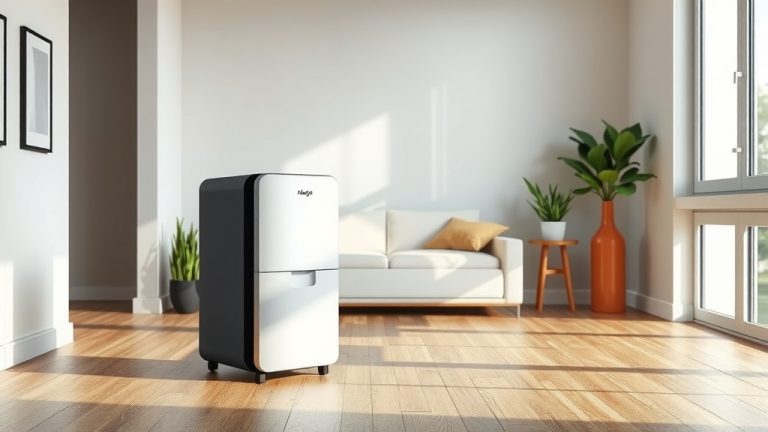
Can I Leave Dehumidifier on 24 7?
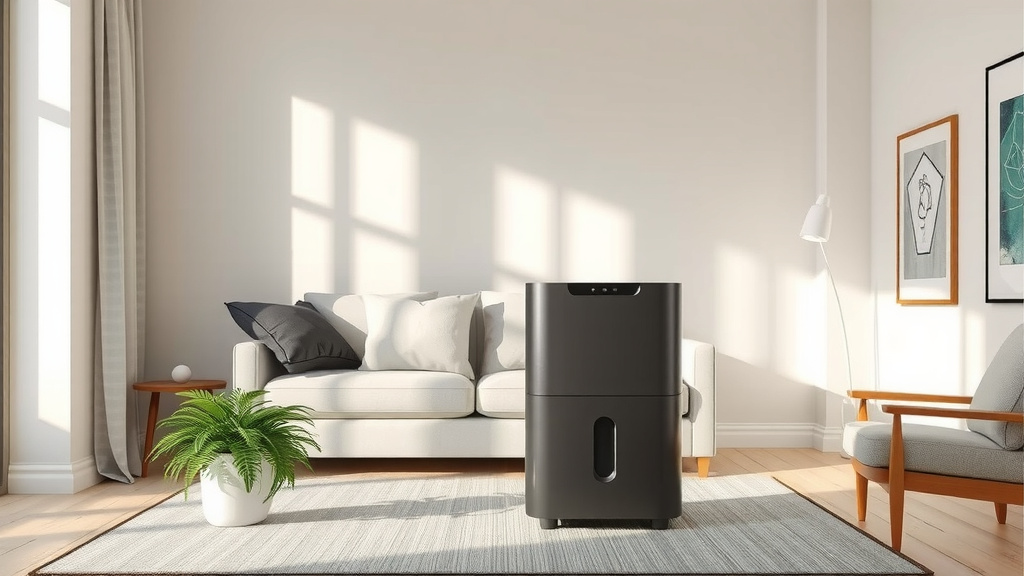
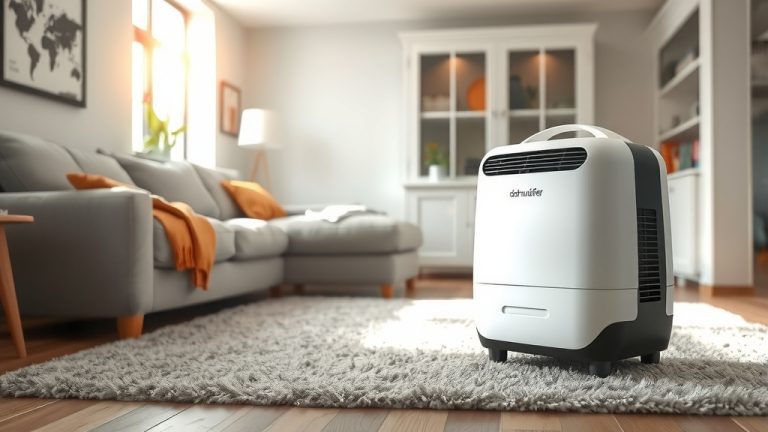
Yes, you can leave your dehumidifier on 24/7, but it’s often more effective and energy-efficient to use it only when humidity levels are high.
Monitoring your home’s humidity and using the dehumidifier strategically helps maintain ideal conditions without constant operation.
- You can run a dehumidifier continuously, but it’s not always needed for optimal results.
- The best approach involves setting a target humidity level and letting the unit cycle on and off.
- Continuous operation can lead to higher energy costs and faster machine wear.
- Regular maintenance is a must, regardless of how often you run your dehumidifier.
- Newer models offer smart features that allow for better, more automatic humidity control.
Can I Leave Dehumidifier on 24 7?
You certainly can leave your dehumidifier running constantly. Many people do, especially in very damp environments. However, whether you *should* depends on several factors.
Understanding Your Home’s Humidity Needs
Think about your home like a living organism; it breathes, and its internal climate matters. We found that maintaining a comfortable humidity level is about balancing many things. It keeps your air feeling fresh and protects your belongings.
What’s the Ideal Humidity Level?
Most experts, including the EPA, suggest keeping indoor humidity between 30% and 50%. This range discourages mold growth and keeps dust mites in check. Using a simple hygrometer can help you monitor this level easily.
The Upsides of Continuous Dehumidifier Use
There are clear advantages to consistent dehumidification, particularly in specific situations. It can feel like a silent guardian working around the clock for your home’s health.
Preventing Mold and Mildew
Mold and mildew love dampness. If your home often feels sticky or smells musty, continuous dehumidifier use can keep those spores from taking hold. Research often connects high humidity, above 60%, with significant mold issues (CDC).
Protecting Your Home’s Structure
Excess moisture can damage wood floors, furniture, and even your home’s foundation over time. A continuously running dehumidifier acts like a shield, preserving your investment. It helps prevent warping, rot, and other structural problems.
The Downsides to Running It Non-Stop
While continuous operation offers benefits, it also comes with a few trade-offs. It’s a bit like having the lights on all the time—convenient, but at what cost?
Energy Consumption Concerns
Dehumidifiers use electricity. Leaving one on 24/7 means it’s always drawing power. This can lead to a noticeable bump in your utility bill. It’s wise to consider this ongoing cost.
Wear and Tear on Your Machine
Like any appliance, a dehumidifier has a lifespan. Running it constantly speeds up the wear on its components, such as the compressor and fan motor. This might mean you’ll need repairs or a replacement sooner than expected.
Potential for Over-Drying
Believe it or not, too little humidity can also be a problem. If your air becomes too dry (below 30%), you might experience dry skin, irritated sinuses, or static electricity. It can also damage wood products by causing them to crack.
Smart Ways to Manage Your Dehumidifier
You don’t have to choose between “always on” or “always off.” There are smarter ways to get the benefits without the drawbacks.
Using a Humidistat for Automated Control
Most modern dehumidifiers come with a humidistat. This smart feature allows you to set your desired humidity level. The machine will then turn on and off automatically to maintain it. It’s like a thermostat, but for humidity! This saves energy and protects your machine.
Considering a Drain Hose Setup
If you’re worried about emptying the water bucket all the time, many dehumidifiers let you attach a garden hose. This allows for continuous drainage into a floor drain or sink. It’s a “set it and forget it” solution for water removal, which is a real convenience factor.
Regular Maintenance for Longevity
Whether you run it sometimes or constantly, a little care goes a long way. This makes sure your machine runs efficiently and lasts longer. We found that simple steps make a big difference.
- Clean the air filter regularly (every 2-4 weeks).
- Empty and clean the water bucket to prevent mold.
- Check the coils for dust or frost.
- Make sure the air intake and exhaust vents are clear.
- Inspect the drain hose for clogs or kinks if you use one.
When Is 24/7 Operation Justified?
There are specific situations where letting your dehumidifier run continuously makes perfect sense. These are often short-term, high-need scenarios.
After Water Damage
If you’ve had a flood, a burst pipe, or significant leaks, running your dehumidifier around the clock is absolutely essential for drying out the space. This helps prevent extensive mold growth and structural damage (FEMA guidelines suggest rapid drying).
In Extremely Humid Climates
Some regions simply have persistently high humidity. In these cases, especially during peak seasons, continuous operation might be the only way to keep your indoor environment comfortable and healthy. It’s about battling a constant environmental challenge.
Comparing Dehumidifier Use Schedules
Let’s look at the trade-offs between different ways of using your dehumidifier.
| Usage Type | Pros | Cons |
|---|---|---|
| 24/7 Continuous | Maximum moisture removal, consistent comfort, ideal for emergencies. | Higher energy bills, increased wear and tear, potential for over-drying. |
| Humidistat Controlled | Energy efficient, optimal humidity levels, less machine wear, automated. | Requires setting a target, might not be suitable for extreme, rapid drying. |
| Manual / Intermittent | Lowest energy cost, fine-tuned to specific needs, minimal wear. | Requires constant monitoring, humidity can fluctuate, less effective for persistent issues. |
Here’s a quick checklist for running your dehumidifier effectively:
- Set your desired humidity between 30-50%.
- Keep doors and windows closed in the dehumidified area.
- Clean the air filter at least once a month.
- Ensure the water bucket is empty or drain hose is functioning.
- Position the unit away from walls for good airflow.
- Check for unusual noises or smells.
Conclusion
Leaving your dehumidifier on 24/7 is an option, and sometimes a necessity. However, for most everyday situations, using its built-in humidistat is the smarter, more economical choice. It strikes a good balance, keeps your home comfortable, and extends the life of your appliance. Listen to your home, monitor its humidity, and let your dehumidifier work efficiently for you.
FAQs
Does a dehumidifier use a lot of electricity?
Yes, dehumidifiers can use a fair amount of electricity, especially larger models running continuously. The actual cost depends on the unit’s wattage, your electricity rates, and how often it cycles on. Using a humidistat to turn it off when not needed helps reduce consumption.
How long does it take for a dehumidifier to work?
The time it takes for a dehumidifier to reduce humidity depends on several factors: the room size, the starting humidity level, the power of your unit, and outside conditions. You might notice a difference within a few hours, but it could take a day or two to reach your target humidity in a very damp space.
Can a dehumidifier make a room too dry?
Yes, it’s possible for a dehumidifier to make a room too dry if it runs continuously without a humidistat or if the humidistat is set too low. Ideal indoor humidity is typically between 30% and 50%. Going below this can cause discomfort and potential damage to wood furnishings.
Where is the best place to put a dehumidifier in a house?
The best place to put a dehumidifier is in the dampest area of your home. This is often a basement, crawl space, or a large living area that feels consistently muggy. Place it away from walls and furniture to allow for proper airflow, and avoid placing it in a closet or small, enclosed space.
Should I empty the dehumidifier bucket daily?
You should empty the dehumidifier bucket as often as it fills up. For continuous operation in very damp conditions, this might mean daily or even more frequently. If you have a continuous drain option with a hose, you won’t need to empty the bucket at all, which is a great convenience.