Can I Leave Dehumidifier on All Night?
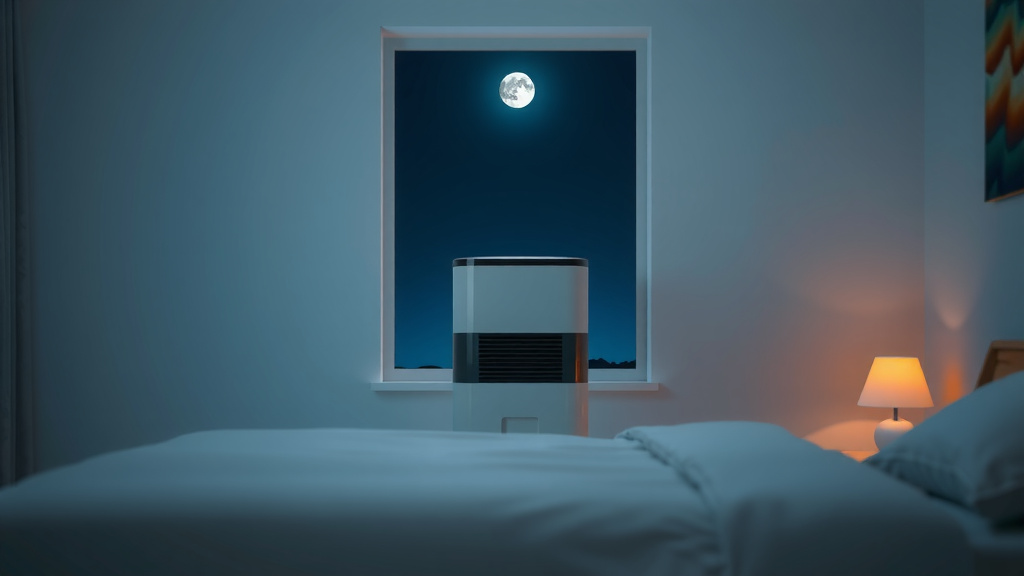
Yes, you can leave your dehumidifier on all night if it’s maintained properly and its water tank is empty or set for continuous draining. Always ensure the unit is in good working order to keep your home comfortable and safe.
Running your dehumidifier overnight is a common practice that can significantly improve indoor air quality and help prevent issues like mold growth and musty odors in your living spaces. Just check its settings and capacity.
- TL;DR: Leaving your dehumidifier on overnight is generally safe and beneficial for your home.
- Ensure the water tank is empty or use a continuous drain system to prevent overflow.
- Set the humidistat to maintain humidity levels between 40-50% for optimal comfort and efficiency.
- Regularly clean the filter and coils to keep the unit running effectively and prevent potential hazards.
- Overnight operation can improve sleep quality, reduce allergens, and protect your home from moisture damage.
Can I Leave Dehumidifier on All Night?
Absolutely, leaving your dehumidifier running all night is perfectly fine for most modern units. Many people find it quite beneficial for their home environment and personal comfort.
Why Run Your Dehumidifier Overnight?
Imagine waking up feeling refreshed, not sticky or congested. That’s a key benefit of overnight dehumidification. It creates a much more comfortable sleeping environment.
Beyond comfort, running your unit helps prevent unwelcome guests. Excessive humidity is a playground for mold, mildew, and dust mites. Keeping the air dry actively discourages them.
Many health organizations, like the Environmental Protection Agency (EPA), suggest maintaining indoor humidity between 30% and 50%. Running your dehumidifier at night helps you reach and keep those optimal levels.
It also protects your belongings. High humidity can damage wooden furniture, electronics, and even books. Overnight operation guards your investments while you sleep.
Safety First: What to Check
Your peace of mind is important. Before leaving your dehumidifier on, a few simple checks ensure safe operation. Think of it like a quick pre-flight check for your home appliance.
Emptying the Water Tank
This is probably the most common oversight. A full tank means your dehumidifier stops working. If you leave it on overnight, you might wake up to an appliance that hasn’t done its job for hours.
Always empty the tank before bedtime. It’s a small step that makes a big difference. This simple habit keeps your unit running all night, as intended.
Continuous Drainage Solutions
Tired of emptying tanks? Many dehumidifiers offer a continuous drain option. This usually involves connecting a hose to a floor drain or a sink. It’s a real game-changer.
This feature means your dehumidifier can run indefinitely without needing your attention. We found that this is a highly recommended solution for overnight and long-term use, saving you effort and worry.
Regular Maintenance Checks
Just like your car, your dehumidifier needs a little TLC. A clean unit runs more efficiently and safely. Dirty filters can restrict airflow, making the unit work harder and potentially overheat.
Check the air filter regularly; once a month is a good habit. Also, inspect the coils for dust buildup. A quick clean keeps everything humming along safely and efficiently (Consumer Reports).
Choosing the Right Settings for Nighttime
Getting the right balance is key. You don’t want the air too dry, nor too damp. It’s about finding that sweet spot for comfort and efficiency.
Ideal Humidity Levels
What’s the perfect target? Most experts agree that 40% to 50% relative humidity is ideal. It’s comfortable for most people and minimizes issues like mold or static electricity.
Setting your unit within this range ensures you’re not over-drying the air, which can cause its own set of problems, like dry skin or irritated sinuses. Many modern dehumidifiers have a built-in humidistat to help you achieve this.
Using a Timer or Humidistat
Many units come with smart features. A built-in humidistat will automatically turn the dehumidifier on and off to maintain your chosen humidity level. This saves energy and effort.
Timers are also useful. You can set your dehumidifier to run for a specific number of hours or to turn off before your alarm. This flexibility ensures your home is comfortable when you need it most.
Energy Use: A Nighttime Concern?
You might wonder about your electricity bill. It’s a valid concern, especially when running an appliance all night. Let’s look at how to manage it.
Energy-Efficient Models
Modern dehumidifiers are much more efficient than older models. Many are ENERGY STAR certified, meaning they meet strict energy efficiency guidelines set by the EPA. These units consume less power to remove the same amount of moisture.
If you have an older unit, consider upgrading. The energy savings alone might pay for the new unit over time. We found that investing in an efficient model is a smart long-term choice.
Smart Usage Tips
To keep energy costs down, only run your dehumidifier when needed. Use its humidistat feature to maintain a set level, rather than letting it run constantly. Close windows and doors in the room where it operates to prevent humid air from re-entering.
Consider the size of your unit relative to the room. A smaller, less powerful unit might struggle in a large, very damp space, running longer and using more energy. Match the unit to your needs.
Where to Place Your Dehumidifier at Night
Placement matters! The best spot is typically in the room that feels the dampest. Think basements, laundry rooms, or even your bedroom if it gets stuffy.
Ensure there’s enough space around the unit for proper airflow. Don’t push it against a wall or tuck it away in a corner. A few inches of clearance on all sides allows it to work effectively.
Placing it on a slightly elevated surface can also help with airflow and sometimes improve drainage if you’re using a hose. Just make sure it’s on a stable, flat surface.
When NOT to Leave It On
While generally safe, there are times to be cautious. If your unit is very old, making strange noises, or has visible damage (like a frayed cord), unplug it immediately. Safety always comes first.
Also, if the room is already at a low humidity level (below 30-35%), turning it off is wise. Over-drying the air isn’t healthy or energy-efficient. Your skin, plants, and even wooden items will thank you.
Here’s a quick look at the benefits and drawbacks:
| Pros of Overnight Dehumidifier Use | Cons of Overnight Dehumidifier Use |
|---|---|
| Improved sleep quality | Potential noise disruption |
| Reduced mold and mildew growth | Increased electricity usage |
| Lower allergen levels (dust mites) | Need to empty water tank (if no drain) |
| Protection for home furnishings | Occasional maintenance required |
| Consistent indoor comfort | Potential for minor spills (if not set up correctly) |
Nighttime Dehumidifier Safety Checklist
Before you drift off, a quick scan ensures everything is good to go:
- Empty the water tank or confirm continuous drainage is working.
- Check that the power cord is in good condition, no fraying.
- Ensure the air filter is clean and free of blockages.
- Confirm the unit is on a stable, flat surface.
- Set the desired humidity level (40-50%) on the humidistat.
Conclusion
Leaving your dehumidifier on all night is a smart strategy for a healthier, more comfortable home. It’s safe, efficient, and brings a host of benefits, from better sleep to protecting your property. With a few simple checks and proper maintenance, your dehumidifier can be a silent hero, working through the night so you can wake up to a fresher, drier environment. Just remember to keep it clean, empty, or continuously draining, and you’re all set.
Can a Dehumidifier Catch Fire?
It’s very rare, but older or poorly maintained dehumidifiers can pose a risk. Electrical components can overheat if filters are clogged or if there’s an internal fault. Always ensure your unit is clean and in good working order.
Is It OK to Sleep with a Dehumidifier On?
Yes, it’s generally fine and often beneficial. Many people find the drier air helps them sleep better, especially if they suffer from allergies or live in a humid climate. Just ensure the noise level isn’t disruptive.
How Loud Are Dehumidifiers at Night?
The noise level varies by model and size. Newer, smaller units are often quieter, with some operating at around 40-50 decibels, similar to a refrigerator hum. Larger or older units can be louder, so check the specifications if noise is a concern for you.
How Often Should I Clean My Dehumidifier Filter?
For optimal performance and air quality, aim to clean your dehumidifier filter every two weeks to a month, depending on how often it runs and the dustiness of your environment. A clean filter allows the unit to run more efficiently.
Can a Dehumidifier Make the Air Too Dry?
Yes, it can if you don’t use the humidistat feature. Running a dehumidifier continuously without a target humidity level can reduce moisture too much, leading to dry skin, irritated throats, or static electricity. Aim for 40-50% relative humidity.