Can I Plug a Dehumidifier into a Surge Protector?
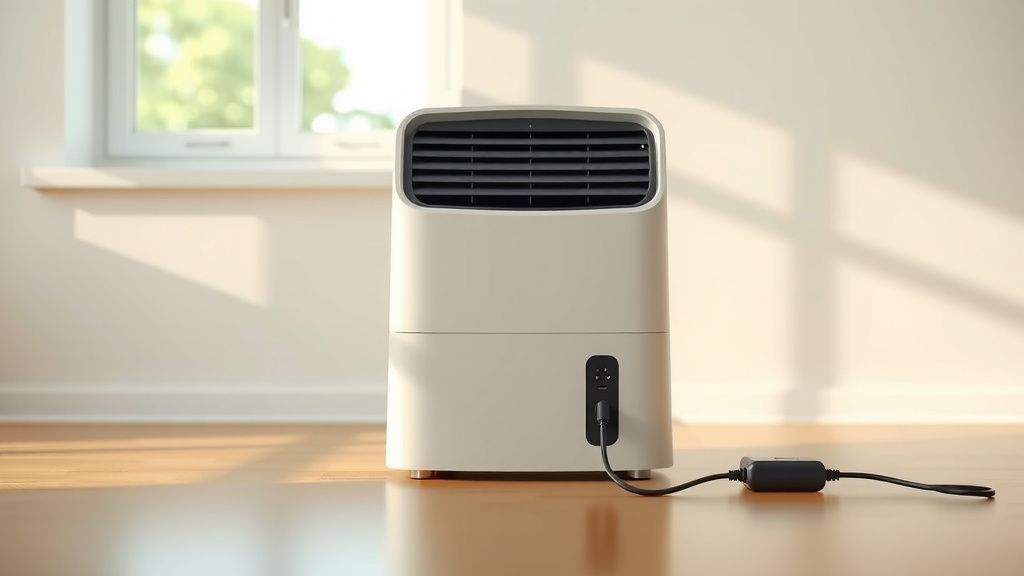
Plugging a dehumidifier into a standard surge protector is generally not recommended due to the appliance’s high, continuous power draw. This practice can lead to surge protector failure, overheating, and potential safety hazards.
Always prioritize plugging your dehumidifier directly into a dedicated wall outlet to ensure safe and efficient operation. This prevents overloading and minimizes risks associated with power fluctuations.
- Do NOT use a standard surge protector for your dehumidifier.
- Dehumidifiers draw significant, steady power that can overwhelm typical protectors.
- Always plug your dehumidifier directly into a wall outlet for safety.
- If an alternative is needed, look for heavy-duty appliance-specific surge protectors, but direct wall connection is best.
- Prioritize electrical safety to protect your home and appliance.
Can I Plug a Dehumidifier into a Surge Protector?
Generally, the answer is no, you should not plug a dehumidifier into a standard surge protector. Dehumidifiers are powerful appliances that require a constant and substantial flow of electricity. They have a motor and compressor that can draw a large amount of power continuously for hours.
Why the Concern? Understanding Power Draw
Have you ever wondered why certain appliances feel different when you plug them in? Your dehumidifier isn’t like a phone charger or a lamp. It’s a hardworking appliance, designed to pull moisture from the air, and that job demands significant electrical current.
The Constant Thirst for Power
Think of your dehumidifier as a marathon runner. It needs a steady, uninterrupted supply of energy to keep going. Standard surge protectors, while great for protecting sensitive electronics from spikes, are not built for this kind of sustained, high-amperage demand. We found that many experts classify dehumidifiers alongside refrigerators and freezers in terms of power requirements (Energy Star guidelines).
The Risks of Plugging into a Standard Surge Protector
Using the wrong power connection can lead to more than just inconvenience. It poses real risks to your appliance and your home. You want to keep your home safe, right?
Overloading and Tripping
A standard surge protector has a limited capacity for how much current it can handle. When your dehumidifier starts up or runs for a long time, it can easily exceed this limit. This might cause the surge protector to trip its internal breaker, turning off your dehumidifier. Even worse, it can lead to the protector itself overheating.
Reduced Protection and Damage
A surge protector under constant stress from a high-draw appliance might lose its ability to protect against actual power surges. It becomes less effective at its primary job. Research often connects these scenarios to a shorter lifespan for both the surge protector and potentially the appliance (Consumer Reports research).
Fire Hazard Potential
This is the most serious concern. An overloaded surge protector can overheat significantly. This heat can melt the plastic casing, damage the wiring, and potentially start an electrical fire. Protecting your home and family is always the top priority.
What Kind of Surge Protector Might Work?
In rare situations, if you absolutely cannot plug directly into a wall outlet, you might consider a heavy-duty surge protector. These are specifically designed for appliances, not just electronics. They have a much higher Joule rating and often a larger form factor.
Checking for UL Listing and Joules Rating
If you go this route, always look for a surge protector that is UL listed. This means it meets specific safety standards. Also, check the Joule rating; a higher number means better capacity for absorbing energy. However, even with these, we recommend extreme caution and monitoring. Many experts still advise against it for long-term use.
The Best Practice: Directly into a Wall Outlet
The safest and most recommended method is to plug your dehumidifier directly into a dedicated wall outlet. This ensures it receives power directly from your home’s electrical system, without any intermediaries that could be overloaded.
Dedicated Circuits for Peace of Mind
If your dehumidifier frequently trips a circuit breaker, or if you plan to run a large unit, consider having an electrician inspect your wiring. They might recommend a dedicated circuit for the dehumidifier. This provides an exclusive power line, offering the ultimate in safety and reliability for your appliance (National Electrical Code guidelines).
Safety Checklist for Dehumidifier Use
Beyond where you plug it in, there are other important safety measures to consider for your dehumidifier.
- Read the Manual: Always start by understanding your specific model’s requirements.
- Proper Clearance: Ensure there’s ample space around the unit for air circulation.
- Empty Regularly: Don’t let the water bucket overflow; it can cause electrical shorts.
- Clean Filters: A dirty filter makes the unit work harder, drawing more power.
- Inspect Cord: Regularly check the power cord for any signs of fraying or damage.
- Avoid Extension Cords: Just like surge protectors, standard extension cords are usually not rated for a dehumidifier’s continuous draw.
When to Consider a Surge Protector Alternative
What if you want protection but a standard surge protector isn’t suitable? There are other options for broader home electrical safety. These options address surges at a different level, offering protection for all your appliances.
Whole-Home Surge Protection
Many homeowners are now installing whole-home surge protectors. These devices are installed at your electrical service panel and protect all circuits and connected appliances from external power surges. This gives you peace of mind for every appliance in your home, including your dehumidifier, without needing individual plug-in protectors. We found this is a growing trend for comprehensive home protection.
Understanding Your Dehumidifier’s Wattage
Knowing your dehumidifier’s power needs can help you make informed decisions. Different sizes have different draws.
| Dehumidifier Size (Pints/Day) | Typical Wattage Range | Power Draw Level |
|---|---|---|
| Small (10-30 pints) | 200-400 Watts | Moderate |
| Medium (40-50 pints) | 400-600 Watts | High |
| Large (60-90 pints) | 600-800+ Watts | Very High |
These are approximate ranges. Always check your specific unit’s label for exact wattage information. Higher wattage means higher power draw, making direct wall plugging even more vital.
Conclusion
When it comes to your dehumidifier, electrical safety should always be paramount. While the idea of protecting your appliance with a surge protector is understandable, a standard unit simply isn’t equipped for the continuous, high power demands of a dehumidifier. Plugging directly into a wall outlet is the safest and most reliable method to ensure both your appliance’s longevity and your home’s safety. Always remember to consult your appliance manual and consider professional electrical advice if you have any doubts. Your peace of mind is worth it.
Can a Dehumidifier Plugged into a Surge Protector Cause a Fire?
Yes, a dehumidifier plugged into an undersized or standard surge protector can potentially cause a fire. The continuous, high power draw from the dehumidifier can overload the surge protector, leading to excessive heat buildup, melting, and eventually an electrical fire. This is a significant safety risk that should be avoided.
What if My Dehumidifier Doesn’t Reach a Wall Outlet?
If your dehumidifier’s cord doesn’t reach a wall outlet, avoid using standard extension cords or power strips. Instead, we recommend relocating the dehumidifier closer to an appropriate outlet. If this isn’t possible, consult with a qualified electrician. They can assess your electrical system and safely install a new outlet or recommend a heavy-duty, appliance-rated extension cord (rarely ideal) that meets safety standards for high-wattage devices.
Do All Dehumidifiers Draw the Same Amount of Power?
No, not all dehumidifiers draw the same amount of power. The power consumption of a dehumidifier largely depends on its size (rated in pints per day), efficiency, and specific features. Larger capacity units designed for bigger spaces typically have higher wattage ratings and thus draw more electricity than smaller, compact models. Always check the appliance label for its exact power specifications.
Is it Safe to Plug a Dehumidifier into a Smart Plug?
Plugging a dehumidifier into a smart plug requires careful consideration. Most standard smart plugs have a maximum wattage or amperage rating, similar to surge protectors. If your dehumidifier’s power draw exceeds the smart plug’s rating, it can lead to overheating, damage to the plug, or even fire. Always verify that the smart plug’s specifications can safely handle the continuous load of your specific dehumidifier model before use.
How Do I Know if My Wall Outlet is Safe for a Dehumidifier?
To determine if your wall outlet is safe, first check if it’s a standard three-prong grounded outlet. Avoid two-prong adapters. If the outlet feels loose, discolored, or makes crackling sounds, it might be faulty and should be inspected by an electrician. For peace of mind, especially with larger units or if circuit breakers frequently trip, consider having an electrician verify that the outlet is on a dedicated circuit that can handle the dehumidifier’s continuous power demands.