Can I Put a Dehumidifier in My Car?
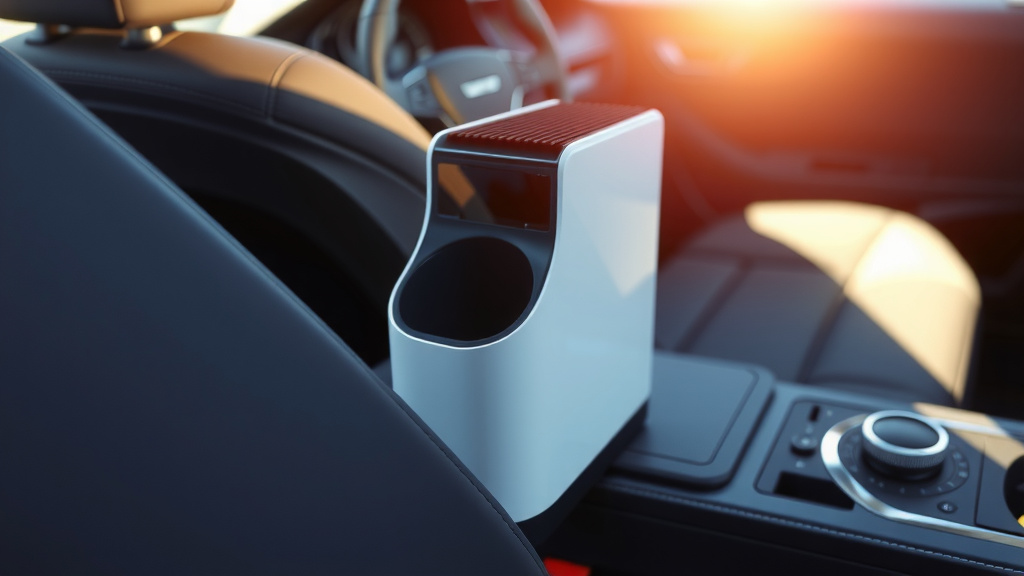
Yes, you can place a small, portable dehumidifier in your car, but it requires careful consideration of power, safety, and effectiveness.
A dehumidifier in your car helps combat excess moisture, preventing fogging, mold, and damp odors, especially in humid climates or after rain.
- A dehumidifier can significantly reduce moisture inside your car.
- Battery-operated or desiccant dehumidifiers are often the safest and most practical choices.
- Avoid larger, standard electric dehumidifiers due to power demands and potential hazards.
- Choosing the right type helps prevent foggy windows, musty smells, and mold growth.
- Always prioritize safety, especially regarding power sources and placement.
Can I Put a Dehumidifier in My Car?
Yes, you absolutely can use a dehumidifier in your car, but not just any unit will work safely or effectively.
You need to pick the right type for your vehicle’s unique environment.
Why Your Car Might Need a Dehumidifier
Have you ever noticed your car windows fogging up constantly, even on a cool day?
That’s a tell-tale sign of excess moisture trapped inside.
We found that many cars, especially older models or those in humid climates, can become quite damp (Automotive Care Guide).
This dampness leads to problems like foggy windows, unpleasant musty smells, and even mold growth.
The Problem with Car Moisture
Think about a cold glass of water on a hot day – it sweats, right?
Your car’s interior acts similarly when warm, moist air meets cooler surfaces.
This condensation is not just annoying; it can obscure your visibility while driving.
Beyond visibility, that persistent dampness creates a perfect breeding ground for mildew and mold.
Types of Dehumidifiers for Car Use
When considering a dehumidifier for your car, you have a few options.
Each type works a bit differently and has its own benefits and drawbacks.
Let’s look at the most common choices you might encounter.
Desiccant Dehumidifiers (Silica Gel Packs)
These are probably the most popular and safest choice for cars.
They don’t use electricity; instead, they contain absorbent materials like silica gel.
Think of those tiny packets you find in new shoe boxes or electronics.
These larger versions simply soak up moisture from the air, like a sponge.
Many experts say they are ideal for small, enclosed spaces (Environmental Protection Agency).
Peltier Dehumidifiers (Thermoelectric)
Peltier dehumidifiers are smaller and operate quietly using a thermoelectric cooling plate.
They do require power, often a 12V adapter for your car’s cigarette lighter.
These units collect water in a small reservoir, which you’ll need to empty regularly.
Research shows they are effective for moderate moisture levels in compact areas.
Battery-Operated Mini Dehumidifiers
Some small dehumidifiers run on batteries, offering great flexibility.
They typically use a small fan to circulate air over a desiccant or a tiny Peltier unit.
The battery life varies, so you’ll need to recharge or replace batteries often.
These are good for occasional use or when you want something truly wireless.
Why Large Household Dehumidifiers are NOT for Cars
You might be wondering if your home dehumidifier could work.
The answer is a strong “no.”
Household units are far too big and require standard household electricity (120V).
Plugging them into your car’s much weaker 12V system would likely blow a fuse or drain your battery rapidly.
They also pose a fire hazard due to power draw and heat generation.
Benefits of Using a Dehumidifier in Your Car
Using the right dehumidifier can bring several welcome improvements to your driving experience.
It’s not just about comfort; it’s about preserving your car’s interior.
- Clearer Windows: Significantly reduces interior fogging, improving visibility and safety.
- Fresh Air: Eliminates musty odors caused by dampness and mildew.
- Mold Prevention: Stops mold and mildew from growing on seats, carpets, and dashboards.
- Interior Preservation: Helps protect upholstery and electronic components from moisture damage.
- Comfort: Makes the car feel less clammy and more pleasant to enter.
Choosing the Right Dehumidifier for Your Vehicle
Selecting the best option depends on your needs and how often you experience moisture.
Consider the power source, the size of your car, and how much moisture you want to remove.
| Dehumidifier Type | Power Source | Best For | Maintenance |
|---|---|---|---|
| Desiccant (Silica Gel) | None | Constant moisture absorption | Recharge/replace |
| Peltier (Thermoelectric) | 12V Car Adapter | Moderate moisture, active removal | Empty water tank |
| Battery-Operated | Batteries (AA/Rechargeable) | Intermittent use, portability | Recharge/replace batteries |
Placement is Key: Where to Put It
Once you have your dehumidifier, where should it go?
For desiccant bags, often under a seat or on the dashboard works well.
If you’re using a Peltier unit, place it on a flat, stable surface where it won’t tip over.
Always ensure it’s not blocking air vents or obscuring your view, and that cords are tucked away safely (National Highway Traffic Safety Administration).
Safety Considerations for Car Dehumidifiers
Safety is always paramount when adding any electrical device to your car.
If using a powered unit, check its power draw against your car’s fuse ratings.
Avoid leaving powered units on for extended periods when the engine is off to prevent battery drain.
Many experts advise against using extension cords or non-automotive specific power adapters in your car.
Maintaining Your Car Dehumidifier
Even small dehumidifiers need a little attention.
Desiccant units will eventually become saturated and need to be “recharged.”
This usually involves placing them in a microwave or oven to dry out the silica gel.
Peltier units require regular emptying of their water collection tanks.
Alternatives to Car Dehumidifiers
While dehumidifiers are effective, other simple steps can help manage car moisture.
Sometimes a combination approach works best.
Simple Solutions for Car Moisture
- Open Windows: On dry days, cracking your windows helps air circulation.
- Check for Leaks: Water might be getting in through faulty seals or sunroofs.
- Rubber Floor Mats: These are easier to clean and dry than carpeted mats.
- Regular Cleaning: Vacuuming and wiping down surfaces removes moisture sources.
- Parking Habits: Park in a garage or shaded area to avoid direct sun heating the interior, which can later cool and condense moisture.
When to Seek Professional Help
If you find persistent, extreme dampness or a strong mold smell even after using a dehumidifier, you might have a bigger problem.
A persistent leak could be causing the issue, or significant mold growth might require professional cleaning.
Don’t hesitate to consult an automotive specialist to check for seals or drainage issues.
Conclusion
Putting a dehumidifier in your car is a smart move to combat unwanted moisture, fogging, and odors.
It’s all about choosing the right type – typically a desiccant bag, a small Peltier unit, or a battery-operated device.
Remember to prioritize safety, proper placement, and regular maintenance for the best results.
Your car interior will feel fresher, look clearer, and stay protected from moisture-related damage.
Are car dehumidifiers safe to leave in overnight?
Desiccant dehumidifiers (like silica gel bags) are completely safe to leave in your car overnight as they don’t use power. Powered units, such as Peltier or battery-operated ones, should generally be turned off to avoid draining your car battery or for safety, especially if not designed for continuous use.
How often do I need to recharge a silica gel dehumidifier for my car?
The frequency depends on the humidity levels in your area and how much moisture your car accumulates. In very humid conditions, you might need to recharge it every few weeks. In drier climates or with less frequent use, it could be every few months. Many units have an indicator that changes color when saturated.
Can a car dehumidifier prevent my windows from fogging up completely?
A good car dehumidifier can significantly reduce and often prevent interior window fogging by removing excess moisture from the air. However, extreme temperature differences or specific ventilation issues might still cause some temporary fogging, especially upon first starting the car.
Are there any solar-powered car dehumidifiers?
While some small ventilation fans are solar-powered for cars, dedicated solar-powered dehumidifiers are less common. The power required to effectively remove moisture, especially with a compressor, is typically too high for small solar panels. Desiccant units remain the most “passive” and energy-free option.
Will a dehumidifier help with a damp smell in my car?
Yes, absolutely! A dehumidifier will help eliminate the root cause of damp, musty smells by removing excess moisture, which is where mold and mildew thrive. For best results, clean any visibly damp or moldy areas first, then use the dehumidifier to prevent recurrence.