Can I Put Bleach in My Dehumidifier?
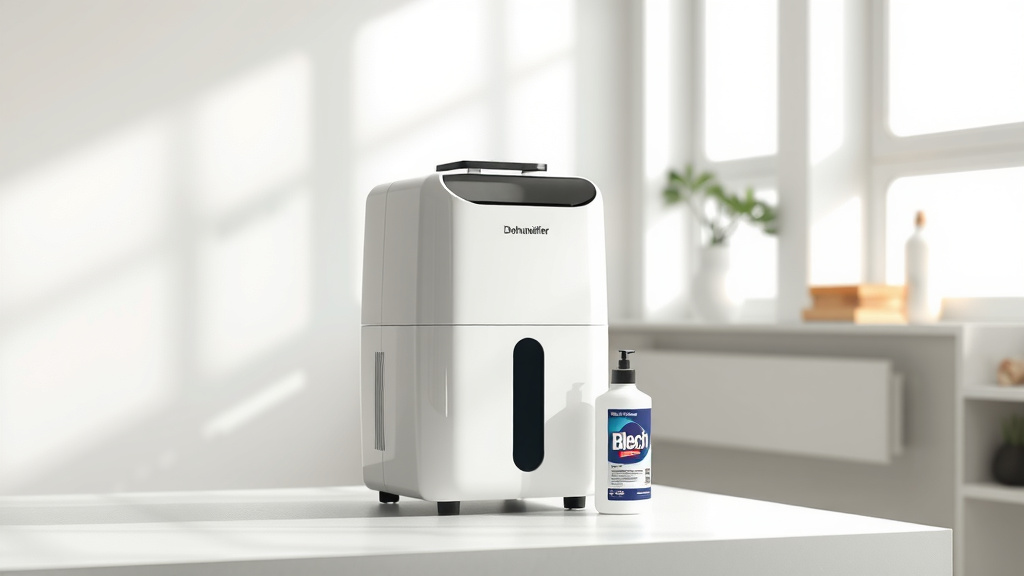
No, you should not put bleach in your dehumidifier. Using bleach can damage your unit, release harmful fumes, and invalidate your warranty.
Using bleach in your dehumidifier is a bad idea because it can harm the machine’s components, like plastic and metal, and also poses health risks from inhaling its fumes. Instead, always opt for safer, recommended cleaning solutions such as white vinegar, which effectively tackles mold and mildew without causing damage or putting your health at risk. Following your manufacturer’s cleaning instructions is the best way to maintain your dehumidifier and ensure its longevity.
Can I Put Bleach in My Dehumidifier?
Absolutely not. You should never put bleach in your dehumidifier. This common mistake can cause serious problems for your machine and your health.
Why Someone Might Think of Using Bleach
It’s easy to understand why you might consider bleach. Mold and mildew often grow in damp places. Your dehumidifier’s collection bucket is certainly a damp spot. Bleach is a powerful cleaner, known for killing mold and germs (CDC). So, it seems like a quick fix, right? Many people mistakenly believe it’s the best way to keep things sanitary.
The Serious Risks of Bleach for Your Dehumidifier
Even though bleach kills mold, it’s far too harsh for your appliance. Pouring bleach into the water tank, or any part of the unit, can lead to costly repairs. It simply isn’t designed for that kind of treatment.
How Bleach Damages Internal Parts
Your dehumidifier has delicate components inside. Bleach is a highly corrosive chemical. It can break down plastic parts, corrode metal coils, and degrade rubber seals. We found that this damage might not be visible at first. Over time, it leads to leaks or even total unit failure. Imagine pouring acid into your car engine; it’s a similar concept.
Understanding the Health Hazards Involved
Beyond machine damage, bleach creates a significant health risk. When a dehumidifier runs, it circulates air. If bleach is in the water, those harsh fumes can become airborne. Breathing in bleach vapors can cause respiratory irritation (NIH). This is especially dangerous for children, pets, or anyone with asthma. Mixing bleach with other cleaners is even more hazardous, creating toxic gases.
The Best Way to Clean Your Dehumidifier Safely
Forget the bleach and choose safe, effective alternatives. Regular cleaning is important to prevent mold and keep your air healthy. You want solutions that kill germs without harming your machine or your lungs.
A Gentle Yet Powerful Cleaning Solution
White vinegar is your dehumidifier’s best friend. It’s a natural disinfectant and mildew inhibitor. We found that a simple solution of equal parts white vinegar and water works wonders. It breaks down mold and mineral deposits without corrosive effects. This makes it safe for your unit and your home environment.
Your Simple Dehumidifier Cleaning Checklist
Keeping your dehumidifier clean is easier than you think. Follow these quick steps for routine maintenance:
- Unplug the unit from the wall outlet for safety.
- Empty the water bucket completely and rinse it out.
- Clean the air filter according to your manual (usually rinse or vacuum).
- Wipe down the bucket with a vinegar and water solution.
- Rinse the bucket thoroughly with clean water to remove vinegar smell.
- Dry all parts completely before reassembling and plugging in.
Keeping Your Dehumidifier Mold-Free Naturally
Prevention is always better than a cure. You can take steps to naturally reduce mold growth in your dehumidifier. This means less frequent deep cleaning and a healthier machine.
Regular Maintenance for Better Performance
Many experts say that emptying the water bucket regularly is key. Don’t let water sit for days. This creates a prime breeding ground for mold and bacteria. Also, ensure the area around your dehumidifier has good airflow. This helps it work more efficiently and reduces dampness.
Why Manufacturer Guidelines Are Key
Your dehumidifier’s manual is not just a suggestion; it’s a rulebook. Manufacturers design these machines with specific materials and cleaning needs. Ignoring these instructions can lead to major problems.
Manufacturer guidelines often specify approved cleaning agents. This protects your appliance. It also keeps your warranty valid. Going against these recommendations puts your investment at risk. Always read your manual first.
Accidental Bleach Use: What To Do Next
Did you accidentally put bleach in your dehumidifier? Don’t panic, but act quickly. Your first step should be to unplug the unit immediately. Empty the bucket and rinse it multiple times with clean water. Wipe down any accessible parts. Then, fill the bucket with a diluted white vinegar solution and let the unit run for a short time in a well-ventilated area (if safe). Afterward, rinse everything thoroughly again. If you smell lingering fumes or notice any damage, consider consulting a professional.
Dehumidifier Cleaning Solutions: A Quick Comparison
Sometimes, seeing the facts side-by-side helps make the best choice. Here’s why white vinegar wins over bleach for your dehumidifier.
| Feature | Bleach | White Vinegar (Diluted) |
|---|---|---|
| Mold Killer | Highly effective | Effective and natural |
| Material Safety | Corrosive, damages parts | Safe for plastics and metals |
| Health Risks | Harmful fumes, respiratory issues | Minimal fumes, generally safe |
| Warranty Impact | Likely voids warranty | No negative impact |
| Ease of Use | Requires extreme caution | Simple and straightforward |
Conclusion
Using bleach in your dehumidifier is a choice that comes with too many downsides. It jeopardizes your unit’s longevity, your indoor air quality, and your health. Instead, choosing a safe, natural, and effective cleaner like white vinegar protects your investment. You’ll keep your dehumidifier running efficiently and your home’s air clean. Always prioritize safety and follow manufacturer guidelines for the best results.
How often should I clean my dehumidifier?
You should clean your dehumidifier’s water bucket and filter at least once every two weeks. If you live in a very humid area or run the unit constantly, cleaning once a week might be better. A deeper clean of the coils can be done every few months.
Can I use soap and water to clean the dehumidifier bucket?
Yes, using mild dish soap and warm water is generally safe for cleaning the dehumidifier bucket. Just make sure to rinse the bucket very thoroughly afterward. You want to remove all soap residue to prevent foaming or potential blockages when the unit operates.
What if my dehumidifier smells musty even after cleaning?
If a musty smell persists, it might mean mold or mildew has grown in less accessible areas. Try running a strong white vinegar solution through the unit for a short period. If the smell continues, you might need to inspect the coils more closely or consider professional servicing.
Is it okay to use essential oils in my dehumidifier to make it smell better?
No, you should avoid putting essential oils directly into your dehumidifier’s water tank. Oils can leave a residue that can clog internal components. They could also damage plastic parts. For a better smell, consider a separate air freshener or diffuser.
My dehumidifier manual doesn’t mention white vinegar. Is it still safe?
Most manufacturer manuals focus on general cleaning and avoiding harsh chemicals. While specific instructions for white vinegar might be absent, it’s widely recognized as a safe, non-corrosive, and effective cleaner for appliances. As long as it’s diluted and thoroughly rinsed, it typically poses no risk.