Can I Put My Dehumidifier on a Table?
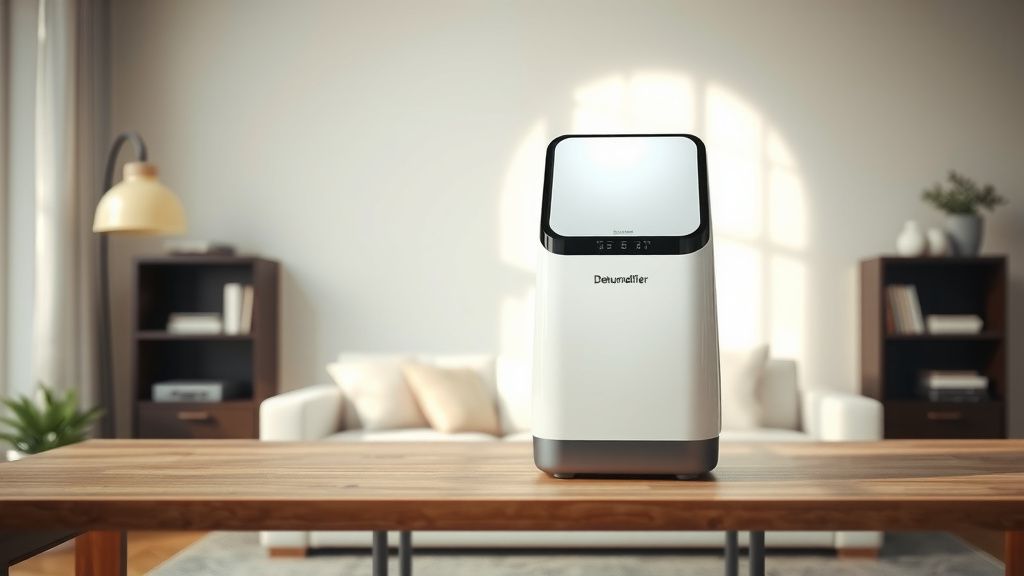
Yes, you can put your dehumidifier on a table, but you must ensure the table is stable, level, and strong enough to support the unit’s weight, especially when its water bucket is full. Always prioritize safety and optimal airflow for effective moisture removal.
Placing a dehumidifier on a table can improve air circulation and make emptying the reservoir easier, yet it requires careful consideration of stability, potential noise, and drainage options to prevent accidents and ensure efficient operation.
- Placing a dehumidifier on a table is often fine, but check the table’s stability and strength first.
- Good airflow around the unit is key for it to work well.
- Be mindful of noise and vibrations that a table might amplify.
- Make sure the power cord is safe and doesn’t pose a trip hazard.
- Consider how you’ll drain the water; a table can make continuous draining simpler.
Can I Put My Dehumidifier on a Table?
Absolutely, you can put your dehumidifier on a table. Many people choose this option. It can even help your dehumidifier work better.
Why Consider a Table for Your Dehumidifier?
Placing your dehumidifier on a table has some clear advantages. You might find it a smart move for various reasons.
Improved Airflow
One big benefit is better airflow. A dehumidifier needs to pull in air and push out dry air. Lifting it off the floor allows for unrestricted air movement around all sides (Many experts agree).
This means your unit can process more air efficiently. It works harder to reduce humidity in your space.
Easier Water Drainage
Nobody likes bending down to empty a heavy water bucket. A table brings the bucket closer to eye level. This makes manual emptying much simpler and less strenuous.
For continuous drainage using a hose, a table helps. Gravity can work better when the unit is higher than the drain point.
Out of Reach for Kids and Pets
Small children and curious pets can accidentally tip over units on the floor. A table placement keeps your dehumidifier safer from playful nudges and curious hands. This adds a layer of safety for your household (Safety guidelines suggest keeping appliances out of reach).
Reduced Dust and Debris Intake
Floors often have more dust, pet hair, and lint. A dehumidifier on the floor can pull in more of these particles. On a table, it takes in cleaner air overall, helping the filter last longer.
What Are the Potential Downsides?
While tables offer benefits, there are also a few things to watch out for. Being aware helps you make the best choice.
Stability and Tipping Risk
Dehumidifiers are not light, especially when the water bucket is full. A flimsy table could lead to a fall. This could damage the unit or your floor.
An unstable table might also cause the dehumidifier to tip. This creates a mess and a safety hazard.
Increased Noise and Vibration
Dehumidifiers naturally vibrate a bit. A solid table might amplify this sound. You might notice more noise than on a carpeted floor.
The vibrations could also cause the table to move. This is another reason to pick a sturdy spot.
Water Spill Hazards
Accidents happen. If the bucket overflows or you spill water while emptying, it could ruin your table. This is especially true for wooden or untreated surfaces.
A large spill could also pose an electrical hazard. Always be careful around electronics and water.
Table Weight Capacity
Most dehumidifiers weigh 30-50 pounds empty. A full water bucket can add another 10-20 pounds. Make sure your table can handle this combined weight with ease.
Check the table’s specifications if you can. A sagging table is a sign it’s too weak.
Choosing the Right Table: Key Considerations
Selecting the perfect table is not just about looks. Practical factors play a much bigger role.
Is the Table Sturdy and Level?
A wobbly table is a no-go. Pick one that feels solid and doesn’t shake easily. The surface also needs to be perfectly level to prevent water spills and ensure stable operation.
Can it Support the Weight?
As we found, dehumidifiers gain weight when full of water. A coffee table designed for magazines might not cut it. Choose a table with proven weight capacity.
Is it Water-Resistant?
Spills are always possible. A table made of metal, plastic, or treated wood is ideal. These materials can withstand accidental splashes without damage.
Optimal Placement for Best Performance
Even on a table, placement matters. Give your dehumidifier the best chance to succeed.
Allow Adequate Clearance
Give your unit space. Most manufacturers suggest at least 6-12 inches of clearance around all sides. This ensures proper airflow and efficient operation (Manufacturer guidelines commonly state this).
Avoid Walls and Obstructions
Don’t push it right against a wall. Keep it away from curtains, furniture, or anything blocking the vents. Good air circulation is vital for moisture removal.
Table Placement Checklist
Before you power it up, run through this quick checklist:
- Is the table rock-solid and stable?
- Does it easily support the dehumidifier’s weight (full bucket included)?
- Is there enough space (6-12 inches) around all vents?
- Is the power cord safely routed and not a trip hazard?
- Is the table surface protected from potential water spills?
- Are children and pets kept away from the operating unit?
Comparing Table vs. Floor Placement
Let’s look at the trade-offs between these two common spots.
| Feature | Table Placement | Floor Placement |
|---|---|---|
| Airflow | Generally better and more even. | Can be restricted by furniture or carpet. |
| Draining | Easier manual emptying; gravity drain simplified. | Manual emptying requires bending; gravity drain needs elevation. |
| Safety | Out of reach for kids/pets; risk of tipping if table is weak. | Potential trip hazard; accessible to kids/pets. |
| Noise | Can amplify vibrations and sound. | Often quieter on carpet; sound can be absorbed. |
| Dust Intake | Lower risk of pulling in floor dust. | Higher exposure to floor-level dust and debris. |
When to Avoid Table Placement
Sometimes, putting your dehumidifier on a table just isn’t the best idea. Recognize these situations.
If the Table Is Unstable or Weak
This is the most critical point. If your table wobbles or feels flimsy, don’t risk it. A falling dehumidifier can cause serious damage and injury.
In High-Traffic Areas
A table with a dehumidifier can become an obstacle. If it’s in a busy hallway, it might get bumped. This increases the chance of accidents or spills.
If Continuous Gravity Drainage Isn’t Possible
For gravity drainage, the hose must slope downwards. If your table is lower than the drain point, gravity won’t help. You might be stuck with manual emptying anyway.
Maintaining Your Dehumidifier on a Table
Proper maintenance keeps your unit running well, no matter where it sits.
Regular Filter Cleaning
Even on a table, filters get dirty. Check and clean them every few weeks. A clean filter ensures maximum efficiency and lifespan for your unit.
Checking for Leaks or Spills
Periodically look under and around your unit. Catch any small leaks early before they cause damage. This helps protect your table and your floor.
Conclusion
Placing your dehumidifier on a table can be a smart move, offering better airflow and easier maintenance. However, it’s not a decision to take lightly. Always put safety first.
Ensure your chosen table is robust, stable, and capable of holding the unit’s weight, especially when the water tank is full. By making thoughtful choices, you can create an efficient and secure setup that helps manage your home’s humidity effectively.
Can a dehumidifier tip over if placed on a table?
Yes, a dehumidifier can tip over if the table is unstable, too small, or not strong enough to support the unit’s weight, especially when its water bucket is full. Always use a sturdy and level surface to prevent accidents.
Does putting a dehumidifier on a table make it louder?
It can. A hard, solid table surface might amplify the dehumidifier’s natural vibrations, potentially making the operating noise more noticeable compared to placing it on a softer surface like carpet.
How much space should be around a dehumidifier on a table?
Most manufacturers recommend leaving at least 6 to 12 inches of clear space around all sides of your dehumidifier, including the top, if it has a vent. This ensures proper airflow and efficient operation.
What kind of table is best for a dehumidifier?
The best table is one that is very sturdy, perfectly level, and can easily support the dehumidifier’s weight (including a full water tank). A water-resistant surface like metal, plastic, or treated wood is also a plus for spill protection.
Can a dehumidifier damage a wooden table?
Yes, a dehumidifier could potentially damage a wooden table if there’s an accidental water spill or overflow. Water exposure can warp, stain, or weaken wood over time. Using a protective mat or choosing a water-resistant table is recommended.