Can I Run AC and Dehumidifier at the Same Time?
Yes, you can run an AC and a dehumidifier at the same time to achieve optimal comfort and humidity levels in your home. However, it’s wise to understand how they interact to maximize efficiency and avoid wasting energy.
Running both your AC and dehumidifier simultaneously can be a smart strategy for managing humidity, especially in very damp conditions, but it often increases your energy consumption if not set correctly.
Here’s a quick summary for those on the go:
- Running AC and a separate dehumidifier together is possible.
- The goal is often better comfort, not necessarily energy savings.
- ACs primarily cool, and dehumidifiers specifically remove moisture.
- Proper settings are essential to avoid the units working against each other.
- Consider an AC with a “dry mode” or a whole-house system as alternatives.
Can I Run AC and Dehumidifier at the Same Time?
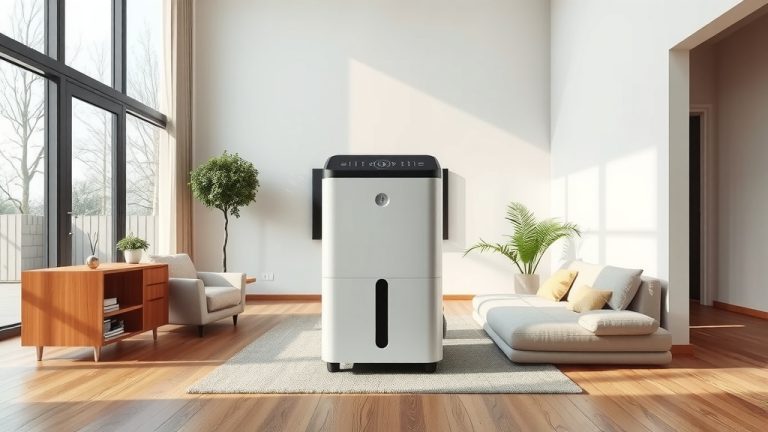
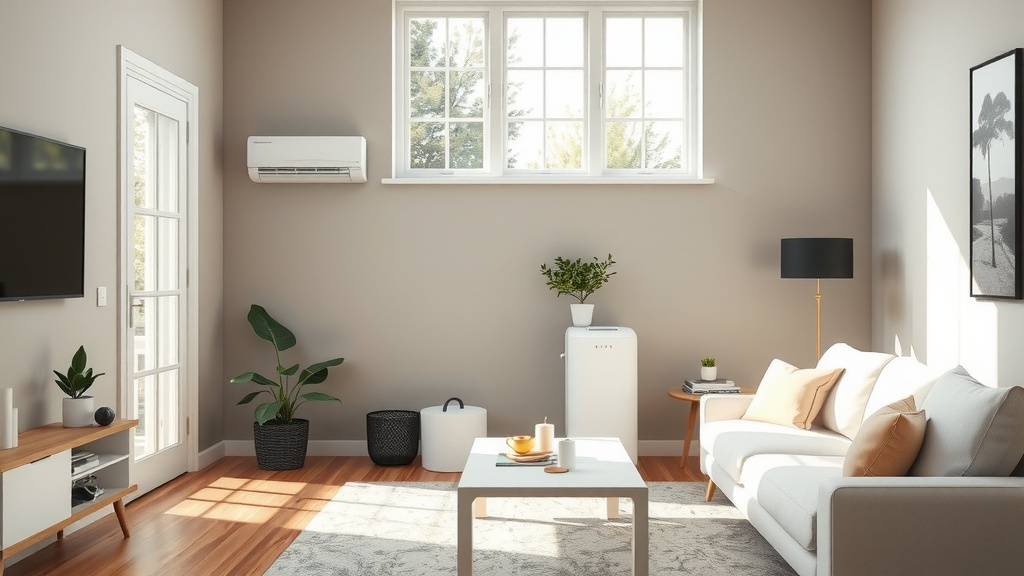
Yes, you certainly can run your AC and dehumidifier together. This combination helps create a truly comfortable environment. Your AC primarily cools the air, while your dehumidifier specifically tackles excess moisture, making humid days feel much better.
Why Would You Run Both Units?
You might wonder why anyone would need both appliances. It’s a common question, especially when summer brings those sticky, heavy air days. Let’s look at a couple of reasons.
Tackling Stubborn Humidity
Sometimes, your air conditioner just can’t keep up with the humidity. This is especially true in regions with very humid climates, like the Southeast US. We found that even an AC running constantly might still leave a damp feeling in your home (Energy Star).
When the air feels thick and clammy, a dedicated dehumidifier steps in. It pulls out that extra moisture that your AC misses. This helps prevent that uncomfortable, sticky skin feeling.
Enhancing Comfort Levels
Imagine walking into your home on a hot day. You want to feel cool and dry, right? An AC alone might cool the air, but if it’s still damp, you won’t feel truly refreshed. Many people feel warmer in humid air, even if the temperature is low.
Adding a dehumidifier helps the air feel lighter and crisper. This means you might even be able to set your AC a few degrees higher. This can still save energy overall because drier air feels cooler.
How AC and Dehumidifiers Work (and Differ)
Both units deal with air, but they have distinct jobs. Understanding these roles helps you use them smartly. Think of them as a dynamic duo, each with a special superpower.
The AC’s Role: Cooling and Some Dehumidification
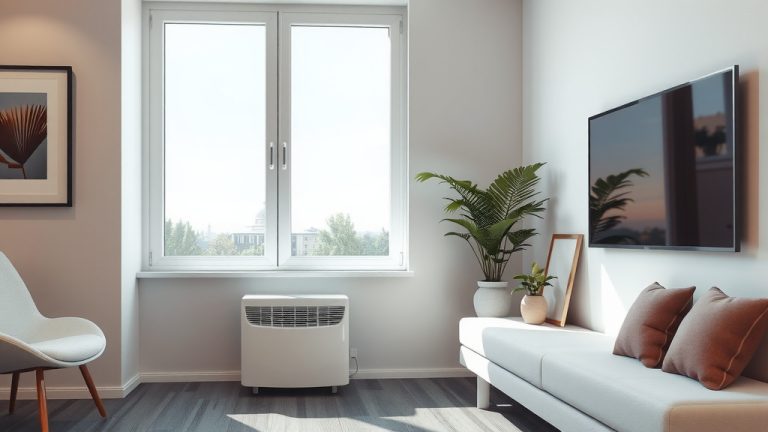
Your air conditioner’s main job is to lower the air temperature. It works by moving heat from inside your home to outside. A natural side effect of this process is that it also removes some moisture from the air.
Cooling coils inside the AC get very cold. When warm, humid air passes over these coils, the moisture condenses and drips away. This is why you see water draining from your AC unit.
The Dehumidifier’s Specialty: Moisture Removal
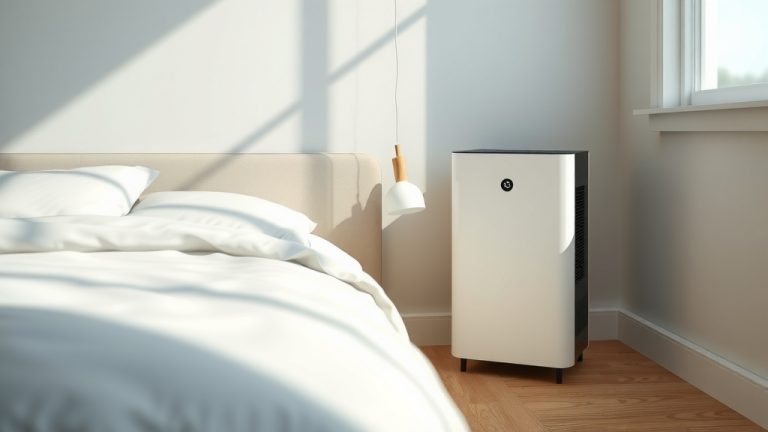
A dehumidifier’s sole purpose is to extract moisture from the air. It uses a fan to draw in air over cold coils, similar to an AC. However, its design focuses purely on water removal, not temperature change.
After the moisture condenses, the dehumidifier often warms the dry air slightly before releasing it back into the room. This targeted approach makes it much more effective at drying air than an AC alone.
The Pros and Cons of Simultaneous Operation
Using both appliances can be a game-changer for your comfort. However, like anything, there are upsides and downsides to consider before you turn them both on.
Advantages of Running Both
When you combine these forces, you unlock several benefits:
- Superior Comfort: You get both cool temperatures and genuinely dry air. The air feels much lighter.
- Mold and Mildew Prevention: Lower humidity levels help stop the growth of mold and mildew (CDC). This protects your home and your health.
- Odor Reduction: Damp air often smells musty. Removing moisture helps eliminate these unpleasant odors, making your home smell fresher.
- Protecting Belongings: High humidity can harm wooden furniture, electronics, and books. Drier air helps preserve your valuable items.
- Pest Control: Fewer moist areas mean fewer attractions for common household pests like dust mites and cockroaches.
Potential Drawbacks and Considerations
While the benefits are clear, there are a few things to keep in mind:
The most obvious drawback is energy consumption. Running two powerful appliances at once typically means higher electricity bills. Each unit uses electricity independently.
Also, if not set correctly, they can work against each other. For example, some dehumidifiers release slightly warmer air. This might make your AC work harder to maintain its set temperature.
You might also risk over-drying your home. Air that is too dry can cause static electricity, dry skin, and can even damage some wooden items. Finding the right balance is key.
Smart Strategies for Using Both Efficiently
You don’t have to choose between comfort and efficiency. With a little planning, you can make your AC and dehumidifier work together like a dream team. The trick is to understand their settings.
Setting Them Up for Success
The goal is to let each unit do its best work without interfering. Think of it like coordinating two instruments in an orchestra. Each has its part, and they sound best when played together correctly.
Dehumidifier Settings: Aim for 30-50%
Many experts say the ideal indoor humidity range is between 30% and 50% (EPA). Set your dehumidifier’s humidistat to this range. If it goes below 30%, turn it off or adjust it higher.
Let the dehumidifier run until it reaches your desired level. Some smart dehumidifiers can even turn on and off automatically to maintain this setting.
AC Settings: Find Your Comfort Zone
With the humidity taken care of, your AC can focus purely on temperature. You might discover you feel comfortable at a slightly higher AC temperature, perhaps 75-78°F. This can reduce your cooling costs.
Do not set your AC super low, as it will run more often and combat the dehumidifier’s slight warming effect. Find the sweet spot where you are cool and dry.
When to Prioritize One Over the Other
There are times when one unit is clearly more needed. If it’s a cool but damp day, your dehumidifier is the star. The AC isn’t needed. On a hot but dry day, the AC alone will do the trick.
Using both makes the most sense on hot AND humid days. This is when the combined power truly makes a difference in comfort and indoor air quality.
Energy Consumption: What You Need to Know
It’s natural to worry about your power bill when running two major appliances. Understanding the energy use helps you make informed choices. Let’s compare some scenarios.
| Scenario | Primary Goal | Energy Usage | Comfort Level |
|---|---|---|---|
| AC Only | Cooling | Moderate to High | Cool, potentially still humid |
| Dehumidifier Only | Moisture Removal | Low to Moderate | Drier, but may still be warm |
| Both AC & Dehumidifier | Cooling & Drying | High | Optimal (Cool & Dry) |
| AC with “Dry Mode” | Cooling & Drying | Moderate | Good, balanced |
As you can see, running both units does consume more energy. However, the improved comfort can be worth it for many. Remember, you might set your AC higher, offsetting some of the dehumidifier’s energy use.
Are There Better Alternatives?
Sometimes, two separate units aren’t the only answer. Modern technology offers some clever solutions that might suit your needs better, or at least differently.
AC Units with “Dry Mode”
Many newer air conditioners now have a “dry mode” or “dehumidify mode.” When you activate this, the AC runs its fan at a lower speed. This allows more moisture to condense on the coils. The compressor also cycles in a way that prioritizes moisture removal over aggressive cooling.
This mode is more energy-efficient than running a separate dehumidifier alongside your AC. It’s often enough for moderate humidity problems. However, it won’t be as powerful as a dedicated dehumidifier for very damp conditions.
Whole-House Dehumidifiers
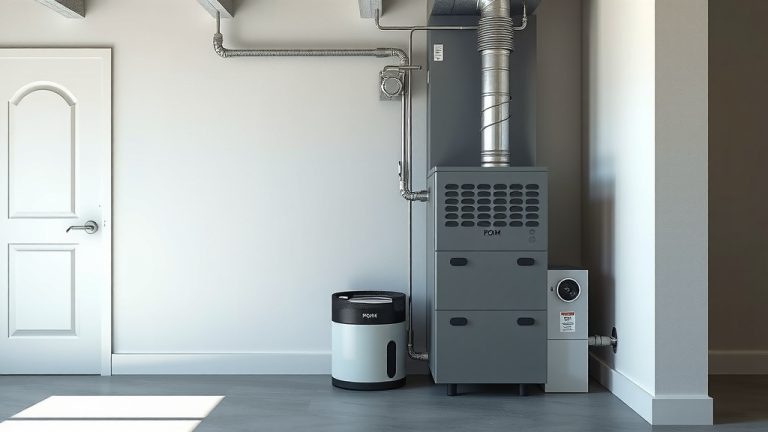
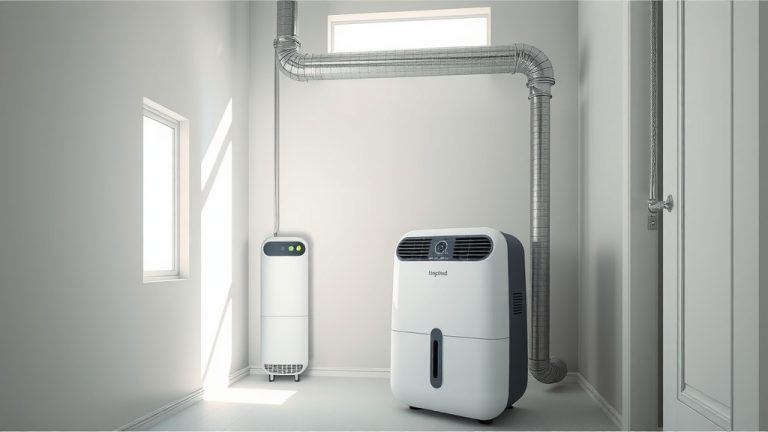
For homes with persistent, high humidity issues throughout, a whole-house dehumidifier is an excellent solution. These units integrate directly with your home’s HVAC system. They treat the air for your entire house, not just one room.
While the initial cost is higher, they offer superior performance and efficiency. They are also less noticeable and require less maintenance than portable units. We found that these systems provide the most consistent humidity control (ASHRAE guidelines).
Signs You Might Need a Dehumidifier
Not sure if you even need a dehumidifier? Your home often sends out signals when humidity is too high. Pay attention to these clues:
- The air inside your home feels constantly “heavy” or sticky.
- You notice a musty odor, especially in basements or bathrooms.
- There’s visible condensation on windows, pipes, or walls.
- Mold spots begin to appear on walls, ceilings, or shower curtains.
- You or your family members experience increased allergies or asthma symptoms.
- Wooden floors or furniture seem to swell or warp.
- Food items in your pantry spoil faster than usual due to dampness.
Conclusion
In short, yes, you absolutely can run your AC and a dehumidifier at the same time. This strategy helps you create a truly cool and dry indoor environment. It’s especially useful in very humid climates where an AC alone might struggle to keep you comfortable.
While it can mean higher energy use, the trade-off is often superior comfort, better air quality, and protection for your home. By setting your units wisely, you can enjoy a healthier and more pleasant living space. Always remember to maintain both appliances for peak performance!
What is the ideal indoor humidity level?
Many experts suggest maintaining indoor humidity between 30% and 50%. This range discourages mold growth, reduces allergens, and helps prevent damage to your home and belongings. Going above 60% is generally considered too high.
Will running both units significantly increase my electric bill?
Yes, running both an AC and a separate dehumidifier will typically increase your electric bill. You are powering two appliances. However, you might offset some costs by setting your AC a few degrees higher since drier air feels cooler.
Can a dehumidifier replace my air conditioner?
No, a dehumidifier cannot replace your air conditioner for cooling. While it removes moisture, which can make a room feel cooler, it does not actively lower the air temperature. Its primary function is humidity reduction.
When should I consider a whole-house dehumidifier?
Consider a whole-house dehumidifier if you experience high humidity throughout your entire home consistently. This is a great choice if portable units are not enough, or if you prefer a more integrated and hands-off solution.
Should I close windows when using a dehumidifier?
Yes, you should definitely close windows and doors when running a dehumidifier. Opening them allows humid air from outside to enter, forcing your dehumidifier to work harder and less efficiently, wasting energy.