Can I Run Two Dehumidifiers?
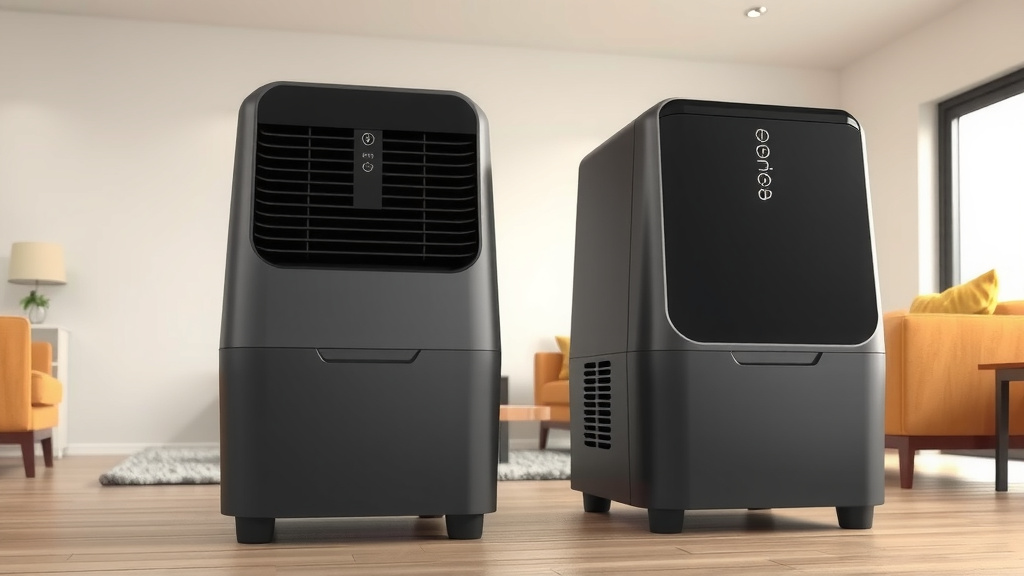
Yes, you absolutely can run two dehumidifiers in your home to tackle excessive humidity more effectively. This strategy is often useful for larger spaces or particularly damp environments that a single unit struggles to manage.
Running multiple dehumidifiers can seem like a big step, but it’s often the best solution for stubborn moisture issues. Here’s a quick look at what you’ll learn:
- Running two dehumidifiers is possible and often beneficial for larger homes.
- This method helps cover larger areas or severe dampness that one unit can’t handle.
- Always consider your space size and the combined dehumidifier capacity before buying.
- Strategic placement matters for even moisture removal throughout your home.
- Be mindful of increased energy use and prepare to empty water frequently.
Can I Run Two Dehumidifiers?
Absolutely, yes! You can certainly run two dehumidifiers. This approach helps handle bigger humidity problems or larger areas needing attention.
Think of it like having two vacuum cleaners for a huge house. One might work, but two get the job done faster and more thoroughly. We found that homes with persistent dampness often benefit from this setup.
Why Consider Two Dehumidifiers?
Sometimes, one dehumidifier just isn’t enough for your specific situation. Maybe your basement is extra large, or humidity seems to creep into every corner of your home.
Running two units can create a more balanced environment. It tackles those stubborn pockets of moisture that a single unit might miss. Many experts say this is a smart move for tough cases.
Dealing with Large Spaces
A single dehumidifier has a limited range, much like a lamp only lighting one part of a room. Large open-plan areas or homes with multiple stories can be challenging.
Distributing two dehumidifiers helps you cover more square footage efficiently. You’ll notice a more even and comfortable humidity level throughout the entire space.
Tackling Severe Humidity Issues
Does your home feel like a rainforest after every rainstorm? Or perhaps you live in a naturally humid climate all year round.
High humidity can lead to mold and mildew. Two units work together to bring down those high moisture levels quicker. Research often connects faster humidity reduction with preventing these issues (EPA).
Benefits of Using Multiple Units
Running two dehumidifiers isn’t just about covering more ground. It offers several distinct advantages that can improve your home’s air quality and comfort.
You might find that your home feels significantly drier, and those musty smells finally disappear. It’s about creating a healthier living environment for your family.
Faster Moisture Removal
Two units working in tandem will extract moisture from the air at a much quicker rate. This speed is especially handy after a flood or during periods of exceptionally high outdoor humidity.
It means your home gets back to a comfortable, safe humidity level sooner. This helps protect your belongings from moisture damage.
Improved Air Quality
Excessive humidity provides a perfect breeding ground for allergens like dust mites and mold spores. By reducing moisture, you directly reduce these potential irritants.
Many homeowners report a noticeable improvement in air freshness. It’s a simple way to help those with allergies or asthma breathe easier.
Preventing Mold and Mildew Growth
Mold loves damp, dark places. Keeping your home’s relative humidity below 60% is a key defense. Two dehumidifiers make reaching and maintaining this level much easier.
This proactive step can save you from costly mold remediation down the line. It’s a smart investment in your home’s long-term health (CDC).
Considerations Before Doubling Up
Before you rush out and buy a second dehumidifier, let’s think about a few important points. It’s not just about plugging in another machine.
You want to ensure this strategy is both effective and practical for your unique home situation. A little planning goes a long way to avoid surprises.
Capacity and Space Size
Each dehumidifier is rated for a specific area, usually measured in square feet and pints of moisture removed per day. You need to match the combined capacity to your space.
Don’t just guess; measure your rooms and check the dehumidifier’s specifications. Over-dehumidifying isn’t good either, as it can dry out wood and skin.
Energy Consumption
Running two appliances means double the electricity use. Modern dehumidifiers are more energy-efficient, but it’s still a factor for your utility bill.
We found that checking Energy Star ratings helps you pick efficient models. This minimizes the impact on your wallet while maximizing drying power.
Proper Placement is Key
Where you put each dehumidifier makes a huge difference. You want to avoid placing them too close together or in areas where airflow is blocked.
Think about the natural flow of air in your home. Placing them strategically in different damp zones ensures optimal moisture extraction. Often, a unit in the basement and another on a main floor works well.
Here’s a quick checklist for optimal placement:
- Place units in separate, dampest areas of your home.
- Ensure adequate airflow around each unit, away from walls.
- Avoid placing them directly next to each other, as they will compete.
- Consider areas with limited ventilation, like basements or laundry rooms.
- Use them in different zones to create a more balanced humidity reduction.
Setting Up Your Dual Dehumidifier System
Once you’ve decided on two units, the setup process is straightforward. However, a few tips can help you get the most out of your new system.
You’re aiming for efficiency and effectiveness. These steps ensure your dehumidifiers work together, not against each other, to create a comfortable home atmosphere.
Choosing the Right Models
Do you need two identical units? Not necessarily. You might opt for a larger capacity unit in your damp basement and a smaller, quieter one for a living area.
Consider features like continuous drainage, automatic shut-off, and low-temperature operation. These features add to your convenience and overall satisfaction.
| Feature | Single Dehumidifier | Two Dehumidifiers |
|---|---|---|
| Coverage Area | Limited, typically 1,500 sq ft | Extensive, over 3,000 sq ft or multiple zones |
| Moisture Removal Speed | Standard pace for its capacity | Significantly faster, especially in high humidity |
| Energy Use | Lower per month | Higher, but more effective drying |
| Noise Level | One source of operating noise | Two sources, but can be managed with placement |
| Cost Effectiveness | Lower initial cost, adequate for small areas | Higher initial cost, ideal for large/very damp homes |
Monitoring and Maintenance
With two units, you’ll have two water buckets to empty, or two drain hoses to manage. Regular cleaning of air filters is also twice as important.
Keep an eye on the humidity levels in different areas using a hygrometer. This helps you confirm that your dual setup is working effectively and adjust if needed.
When is One Dehumidifier Enough?
Before you commit to two, it’s worth asking if one might still do the trick. Sometimes, a larger capacity single unit can be just as effective and simpler to manage.
For smaller apartments, single rooms, or mildly damp basements, one well-placed dehumidifier is often all you need. It’s about matching the tool to the task, like using a scalpel for delicate work, not a sledgehammer.
Consider these points before buying a second unit:
- Is your current dehumidifier properly sized for its intended area?
- Have you tried moving your existing unit to different problem spots?
- Are you consistently emptying its water tank, or is it running continuously?
- Is your home’s relative humidity consistently above 60% in multiple areas?
- Have you sealed any obvious leaks or drafts contributing to moisture?
Conclusion
Running two dehumidifiers is a perfectly viable and often highly effective solution for homes facing significant humidity challenges. Whether you have an extra-large space, severe dampness, or multiple problem areas, doubling up can lead to a drier, healthier, and more comfortable environment.
Just remember to consider the overall capacity, placement, and potential energy consumption. With a little planning, you can set up a system that keeps your home feeling fresh and free from moisture worries. You’ll breathe easier knowing you’ve tackled humidity head-on with a powerful duo.
Can two dehumidifiers cause a room to be too dry?
Yes, it’s possible. Running too many dehumidifiers for a space can lead to over-drying, which might cause wooden furniture to crack, dry skin, or even impact indoor plants. Always monitor humidity levels with a hygrometer and aim for 40-50% relative humidity. Adjust unit settings or run them intermittently if it gets too dry.
Do two dehumidifiers use twice as much electricity?
Generally, yes, running two dehumidifiers will consume roughly twice the electricity of running one similar unit. However, modern Energy Star rated dehumidifiers are more efficient. The total energy usage also depends on how long each unit runs and its specific wattage. It’s an investment in comfort and mold prevention.
Should I place two dehumidifiers in the same room?
It’s generally not recommended to place two dehumidifiers directly in the same room, especially if it’s a smaller room. They might end up competing for air, reducing overall efficiency. It’s better to place them in separate, distinct areas of your home that suffer from high humidity, allowing each to tackle a different zone effectively.
How do I know if I need a second dehumidifier?
You might need a second unit if your existing dehumidifier runs constantly but still can’t bring humidity down to acceptable levels (40-50%), if you notice musty odors in multiple distinct areas of your home, or if your home is very large with separate damp zones like a basement and a main floor. Measuring humidity in different areas with a hygrometer can confirm the need.
Can I use different size dehumidifiers together?
Absolutely! Using different sized dehumidifiers is often a practical approach. For example, you might use a larger, more powerful unit in a very damp basement and a smaller, quieter unit in a living space or bedroom. Matching the unit’s capacity to the specific area it serves is key to efficient and effective moisture control.