Can I Sleep with a Dehumidifier Running in My Bedroom?
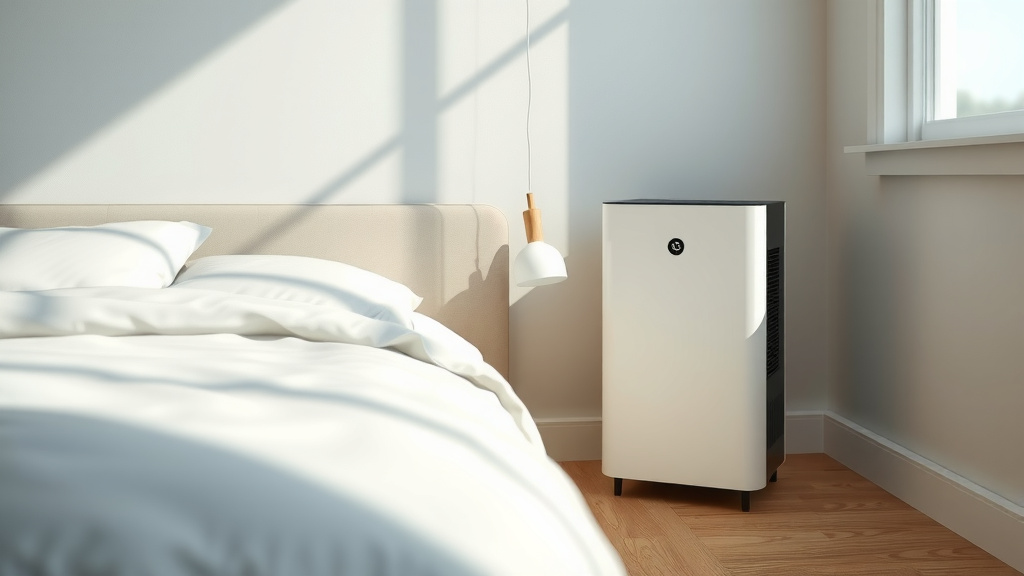
Yes, you can generally sleep with a dehumidifier running in your bedroom, but it’s important to choose a quiet model and maintain optimal humidity levels.
Running a dehumidifier overnight can greatly improve your comfort by reducing excess moisture, which helps prevent mold and dust mites from disrupting your sleep.
- Running a dehumidifier while you sleep is usually safe and can enhance comfort.
- It helps reduce humidity, preventing mold, dust mites, and stuffy air.
- Look for quiet models with auto shut-off and adjustable humidistats.
- Aim for 40-50% relative humidity for the best sleep environment.
- Always ensure proper placement and regular maintenance for safety and efficiency.
Can I Sleep with a Dehumidifier Running in My Bedroom?
Absolutely! Many people find that using a dehumidifier in their bedroom while they sleep significantly improves their comfort and sleep quality.
However, it’s essential to consider factors like noise, room size, and desired humidity levels to make it a pleasant experience.
Why Consider a Dehumidifier for Your Bedroom?
Excess humidity in your bedroom can create an uncomfortable sleeping environment. Imagine trying to sleep in a sticky, damp room – not very restful, right?
High moisture levels also invite unwelcome guests like mold, mildew, and dust mites, which are common allergens. Reducing humidity helps keep these irritants at bay.
Understanding Humidity’s Impact on Sleep
When the air is too damp, your body struggles to regulate its temperature, making you feel hotter and sweatier. This can lead to restless nights and frequent waking.
We found that a balanced humidity level promotes better breathing and can reduce snoring for some individuals, contributing to a more peaceful slumber.
Safety First: Running a Dehumidifier Overnight
Running a modern dehumidifier overnight is generally safe when operated correctly. Ensure the unit is on a stable, flat surface away from walls and furniture.
Always follow the manufacturer’s guidelines for placement and operation to prevent any potential issues and ensure proper airflow.
Addressing Common Concerns: Noise and Dryness
Noise is a big concern for many. Some dehumidifiers can be quite loud, which isn’t ideal for sleeping. Look for models designed for bedrooms, often labeled as “quiet” or “low noise.”
Another worry is making the air too dry. Most modern units have a humidistat, allowing you to set a target humidity level, preventing over-drying.
Choosing the Perfect Dehumidifier for Your Sanctuary
When picking a dehumidifier for your bedroom, think about the room’s size. A unit too small won’t be effective, while one too large might dry the air too quickly.
Consider its pint capacity, which indicates how much moisture it can remove in a day. Match this to your bedroom’s square footage and typical humidity levels.
Essential Features for Bedroom Dehumidifiers
We recommend units with a built-in humidistat and auto shut-off features. These ensure the unit only runs when needed and turns off when the water tank is full.
A continuous drain option is also a game-changer; it lets you connect a hose so you never have to empty the tank, allowing for truly uninterrupted operation.
Finding Your Sweet Spot: Ideal Humidity Levels
Many experts say the ideal relative humidity for sleeping and overall health is between 40% and 50% (Mayo Clinic). This range deters mold and dust mites.
Going below 30% can lead to dry skin, irritated sinuses, and static electricity. Above 60% feels sticky and invites those unwanted allergens.
Spotting the Signs of Excessive Bedroom Humidity
How do you know if your bedroom needs a dehumidifier? Your senses can often give you strong clues. Pay attention to these common indicators:
- Your bedroom feels stuffy or sticky.
- There’s a musty or moldy smell.
- You notice condensation on windows or cold surfaces.
- Your allergies or asthma seem worse at night.
- Small spots of mold appear on walls, ceilings, or fabrics.
- Your wooden furniture might feel damp or develop warping.
Optimal Placement and Setup for Peaceful Sleep
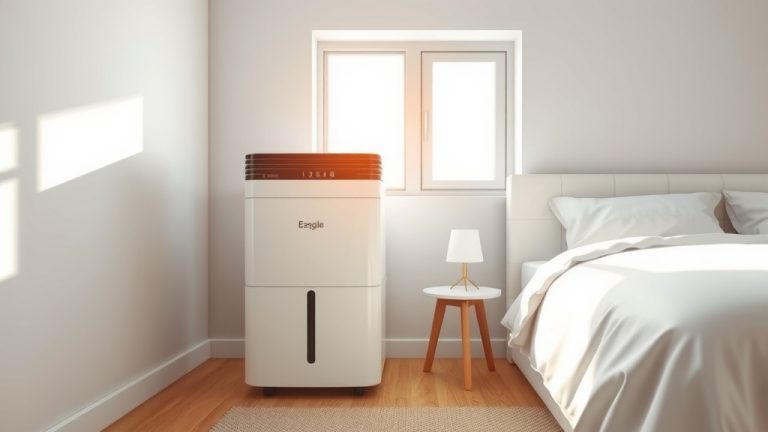
Place your dehumidifier in a spot where it has plenty of clear space around it, generally 6-12 inches from walls or furniture. This allows for optimal airflow.
Avoid placing it directly next to your bed or close to an open window, as this can affect its efficiency and disturb your sleep with fan noise.
Simple Steps for Dehumidifier Maintenance
Regular maintenance ensures your unit runs efficiently and safely. Always make it a habit to clean the air filter every few weeks.
Empty the water tank regularly unless you’re using a continuous drain. Periodically wipe down the exterior and the tank to prevent mold growth inside the unit.
Knowing When Not to Use Your Dehumidifier
While often helpful, there are times a dehumidifier might not be the best choice. If your bedroom air is already dry, typically below 40% humidity, running it could cause discomfort.
If you experience symptoms of dry air like a sore throat or dry eyes, it’s a sign to turn it off. Balance is key for a healthy sleeping environment.
| Pros of Overnight Dehumidifier Use | Cons/Considerations |
|---|---|
| Improves sleep comfort | Potential noise disturbance |
| Reduces allergens (mold, dust mites) | Risk of over-drying air |
| Prevents mildew and musty odors | Requires emptying water tank (if no drain) |
| Helps protect electronics and furniture | Uses electricity |
| Creates a fresher bedroom atmosphere | Requires occasional cleaning |
Compressor vs. Desiccant: Which is Right for You?
Dehumidifiers primarily use one of two technologies: compressor or desiccant. Compressor models are common, generally more powerful, and work best in warmer, very humid environments.
Desiccant dehumidifiers operate more quietly and are more effective in cooler temperatures, making them a popular choice for bedrooms, especially in colder climates.
The “White Noise” Effect of a Dehumidifier
For some, the gentle hum of a dehumidifier acts like white noise, helping to mask other disruptive sounds and promoting a more consistent sleep. This can be a surprising benefit.
However, what’s white noise to one person might be an annoying drone to another. It really depends on your personal sensitivity to sound and the specific model’s noise level.
Beyond Comfort: Health Benefits You Might Discover
Research often connects high humidity with increased respiratory issues (NIH). By keeping your bedroom humidity in check, you can significantly reduce triggers for allergies and asthma.
Additionally, controlling moisture can help with certain skin conditions that worsen in damp environments, creating a healthier overall living space.
Conclusion
Sleeping with a dehumidifier running in your bedroom is not only possible but can also be a game-changer for your sleep quality and indoor air health. By choosing the right model, setting it correctly, and performing simple maintenance, you can create a perfectly balanced and comfortable sleep sanctuary.
Listen to your body, observe your room’s conditions, and experiment with settings to find what works best for you. A little effort can lead to big rewards in terms of restful sleep and well-being.
How often should I empty the water tank?
The frequency depends on your room’s humidity and the tank’s size. In very humid conditions, you might need to empty it daily. Most tanks will need emptying every 1-3 days, but units with a continuous drain option eliminate this task entirely.
Can a dehumidifier make my bedroom too dry?
Yes, if not set correctly or if your room isn’t very humid to begin with. Always use a dehumidifier with a built-in humidistat. Set it to your desired humidity level (40-50%), and the unit will automatically turn off once that level is reached, preventing over-drying.
What’s a good noise level for a bedroom dehumidifier?
For a bedroom, aim for a model with a noise level below 50 decibels (dB), ideally closer to 40-45 dB or lower. Many “quiet” or “low noise” models are specifically designed to operate within this range for minimal disturbance.
Will running a dehumidifier increase my electricity bill significantly?
Running a dehumidifier does consume electricity. The impact on your bill depends on the unit’s wattage, how often it runs, and your local electricity rates. Energy Star certified models are more efficient. Using a humidistat to only run it when necessary can also help keep costs down.
Do dehumidifiers help with allergies in the bedroom?
Absolutely! Many common allergens, like dust mites and mold spores, thrive in high humidity. By reducing moisture levels, a dehumidifier creates an environment where these allergens struggle to survive and reproduce, greatly benefiting allergy sufferers.