Can I Use a Dehumidifier Instead of an Air Conditioner?
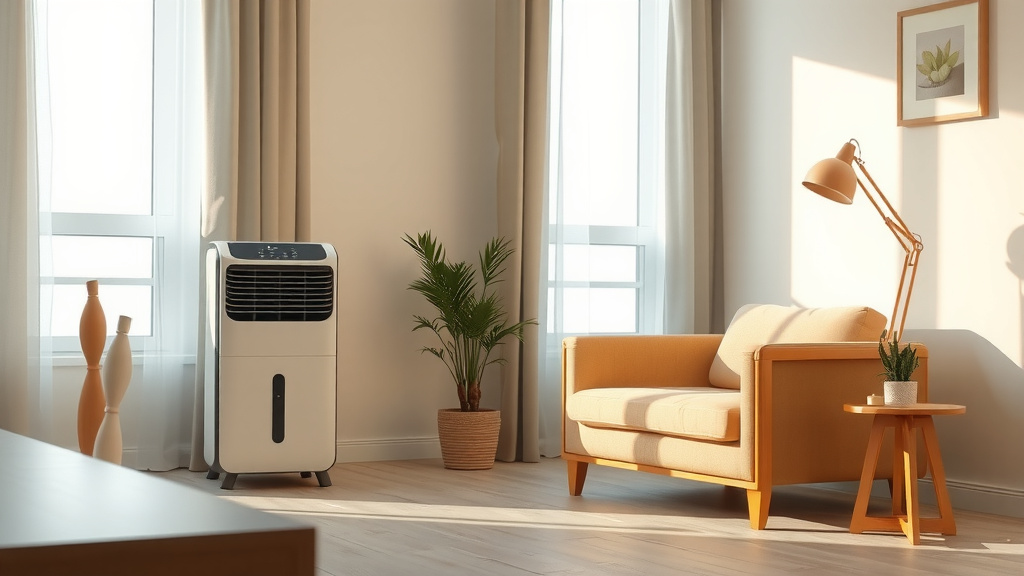
No, you generally cannot use a dehumidifier instead of an air conditioner if your primary goal is to cool a room.
While a dehumidifier removes moisture, making the air *feel* cooler, it doesn’t actively lower the air temperature like an air conditioner does.
- Dehumidifiers remove humidity, making air feel more comfortable.
- Air conditioners both cool the air and remove humidity as a side effect.
- A dehumidifier won’t reduce the actual temperature; an AC actively cools.
- Using only a dehumidifier won’t provide relief from high heat.
- For best results, these two appliances often work better together.
Can I Use a Dehumidifier Instead of an Air Conditioner?
The straightforward answer is no, not if you want to cool down a hot space. Think of them as two different tools for two different jobs, though they share some common ground.
Understanding How They Work
Many people wonder if these appliances are interchangeable. Let’s look at their core functions to clear up the confusion.
What Does an Air Conditioner Do?
An air conditioner, or AC, is designed to remove heat from your indoor air. It pulls in warm air, cools it using a refrigerant, and then sends that cooler air back into your room. A welcome side effect is that it also extracts some moisture from the air, effectively dehumidifying it (Mayo Clinic).
What Does a Dehumidifier Do?
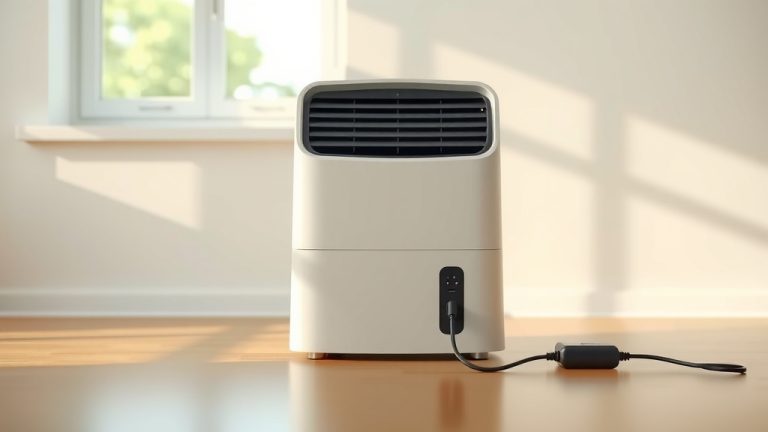
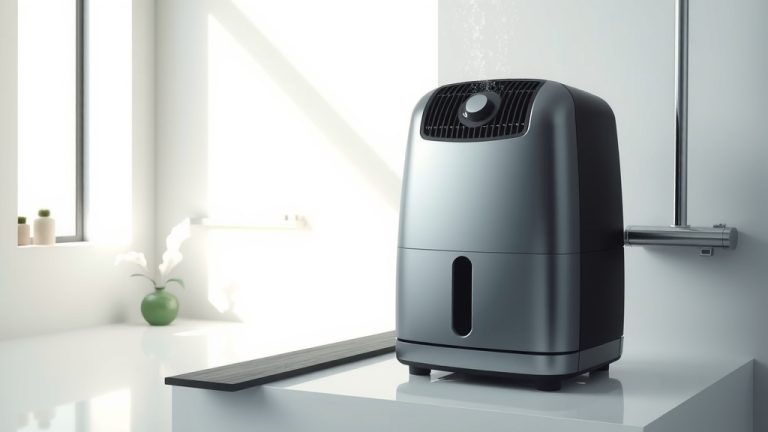
A dehumidifier’s main job is solely to reduce the humidity level in a space. It draws in moist air, condenses the water vapor into liquid, and then releases drier air back out. This process does not cool the air; in fact, some dehumidifiers may even add a tiny bit of warmth to the room.
The Crucial Difference: Cooling vs. Dehumidifying
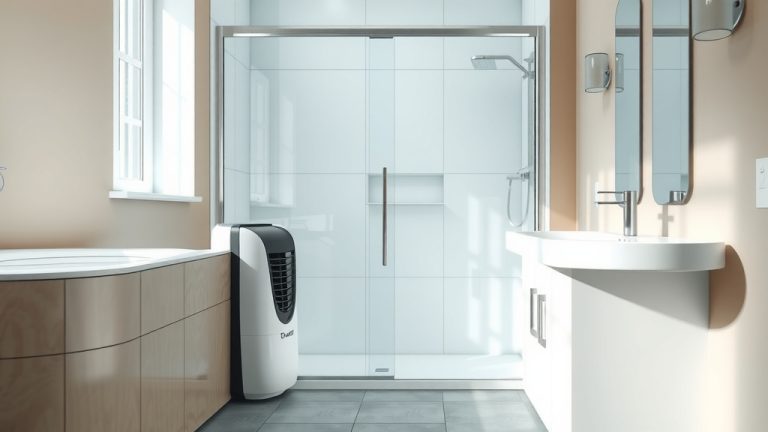
Imagine stepping out of a shower. If the air is very humid, you still feel sticky and warm, right? But if the air is dry, you feel cooler and refreshed, even if the actual air temperature hasn’t changed. That’s the core difference between these two appliances.
An air conditioner actively drops the temperature, like taking the heat out of a hot oven. A dehumidifier simply makes the existing heat feel less oppressive by removing the dampness. It’s like changing from a wet shirt to a dry one on a warm day – you feel better, but the day itself isn’t colder.
The “Feeling Cooler” Deception
High humidity makes hot temperatures feel even worse. This is because your body cools itself through sweat evaporation. When the air is already full of moisture, sweat cannot evaporate as effectively, making you feel much hotter and stickier (CDC).
When a dehumidifier removes this excess moisture, you certainly feel more comfortable. The air feels lighter, less oppressive, and you might even think the room is cooler. However, the thermometer reading hasn’t dropped. Research consistently shows that a dehumidifier does not lower the ambient temperature of a room.
When a Dehumidifier Shines Brightest
While not a substitute for AC, a dehumidifier is a hero in its own right. It’s essential in spaces prone to dampness. Think about your basement, a musty laundry room, or any area where you notice a damp smell.
They are excellent for preventing mold and mildew growth, which thrive in high-humidity environments. Additionally, dehumidifiers help control dust mites and protect wooden furniture, electronics, and important papers from moisture damage. We found that maintaining optimal humidity levels is key for household preservation.
When an Air Conditioner is Your Only Friend
When the outdoor temperature climbs into the 80s or 90s (or higher!), an AC is your necessary friend. For actual heat relief, particularly during heat waves, only an air conditioner can provide the temperature drop you need. It circulates cool air throughout your home, making scorching days bearable.
The Energy Equation: Dehumidifier vs. AC
If your main problem is humidity rather than heat, a dehumidifier is often the more energy-efficient choice. It uses less electricity than an air conditioner because it doesn’t have to power a cooling compressor to lower the room temperature.
However, if it’s both hot and humid, running an AC might be more efficient overall than running a dehumidifier *and* a fan. It depends on the specifics of your situation and the severity of both the heat and humidity. Many experts say that strategic use saves money.
Can They Work Together? A Perfect Duo!
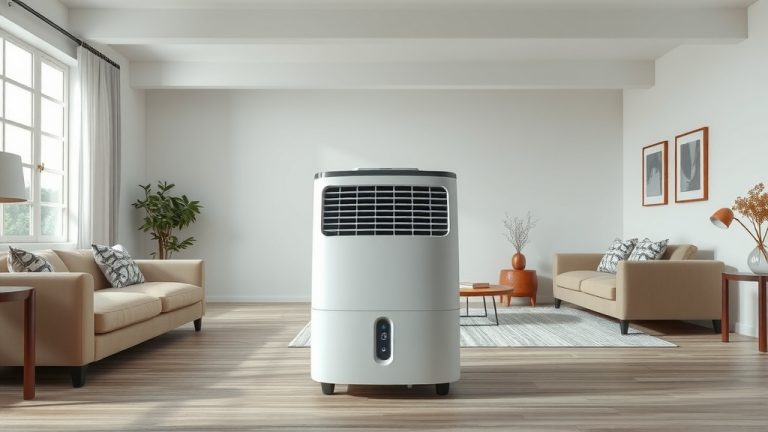
Absolutely! Think of them as a dynamic duo. For homes in hot and humid climates, using both can bring unparalleled comfort. Your AC handles the primary cooling, and your dehumidifier can take care of any lingering excess humidity.
Sometimes, your AC might struggle to remove all the humidity, especially if it’s oversized for your space or running short cycles. A dehumidifier then becomes a powerful partner, allowing your AC to run less, potentially saving energy and extending its lifespan.
Table: Dehumidifier vs. Air Conditioner – A Quick Look
| Feature | Dehumidifier | Air Conditioner |
|---|---|---|
| Primary Function | Removes moisture | Cools air, removes heat |
| Temperature Impact | Does not cool, may add slight warmth | Actively lowers air temperature |
| Humidity Control | Excellent, primary focus | Good, secondary function |
| Energy Use | Lower for humidity control | Higher for cooling |
| Best For | Damp basements, mold prevention | Hot rooms, general home cooling |
Signs You Need a Dehumidifier (Even with AC)
How do you know if you need to add a dehumidifier to your home comfort arsenal? Keep an eye out for these tell-tale signs, even if your AC is running:
- A persistent musty or damp smell in certain rooms.
- Visible condensation on windows, pipes, or cold surfaces.
- A feeling of sticky skin, even after showering.
- Mold spots appearing on walls, ceilings, or fabric.
- Allergy symptoms worsening due to dust mites, which thrive in humidity.
Choosing the Right Solution for Your Home
Your climate and specific needs will guide your decision. Do you live in a dry heat area? Then an AC is primarily for cooling. Is it a swampy, humid heat? Both might be beneficial.
If you’re unsure, starting with what makes you most uncomfortable is a good plan. Is it the heat or the sticky dampness? Or perhaps both? Let your personal comfort guide your decision, and don’t hesitate to combine forces.
Your Checklist for Better Home Comfort
To help you decide, ask yourself these quick questions:
- Is your climate typically hot AND humid for much of the year?
- Do you have specific damp areas like a basement or bathroom?
- Are you seeing signs of mold or musty odors anywhere?
- Do you prioritize actively lowering the air temperature?
- Are energy costs for cooling a major concern for you?
- Do you experience allergies related to dampness?
Conclusion
While both dehumidifiers and air conditioners aim to make your indoor environment more pleasant, they achieve it through different means. An air conditioner is your essential tool for reducing actual heat, while a dehumidifier is specialized in tackling excess moisture. They are not interchangeable for their primary functions.
For optimal comfort, particularly in regions with high heat and humidity, we found that using them together can provide the best of both worlds. You get the cooling power of an AC combined with the humidity-busting capability of a dehumidifier, leading to a much more comfortable and healthier home environment.
Frequently Asked Questions
Is a dehumidifier cheaper to run than an AC?
Generally, yes. A dehumidifier consumes less electricity than a typical air conditioner because its primary job is only to remove moisture, not to cool the entire volume of air in a room. For humidity control alone, it’s the more economical choice.
Will a dehumidifier raise the room temperature?
A dehumidifier does generate a small amount of heat as a byproduct of its operation. This means it might slightly increase the room temperature, typically by a few degrees. However, the improved comfort from reduced humidity usually outweighs this minor temperature rise.
Can I get sick from too much humidity?
High humidity can certainly affect your health. It creates an ideal environment for mold, mildew, and dust mites, which are common allergens. This can worsen respiratory issues like asthma and allergies. Excessive humidity can also make you feel lethargic and promote bacterial growth.
How do I know what size dehumidifier I need?
The right size depends on the square footage of your space and how damp it typically gets. Manufacturers usually provide guidelines based on pint capacity (how much water it removes per day). A small, damp room might need a 30-pint unit, while a very wet basement could require a 70-pint model. Always check the manufacturer’s recommendations for your specific space.
What’s the ideal indoor humidity level?
Most experts, including the EPA, suggest maintaining indoor humidity levels between 30% and 50%. This range helps prevent mold growth, dust mites, and other moisture-related problems while also keeping you comfortable. Too low can cause dry skin and static, while too high feels sticky and encourages issues.