Can I Use AC and Dehumidifier Together?
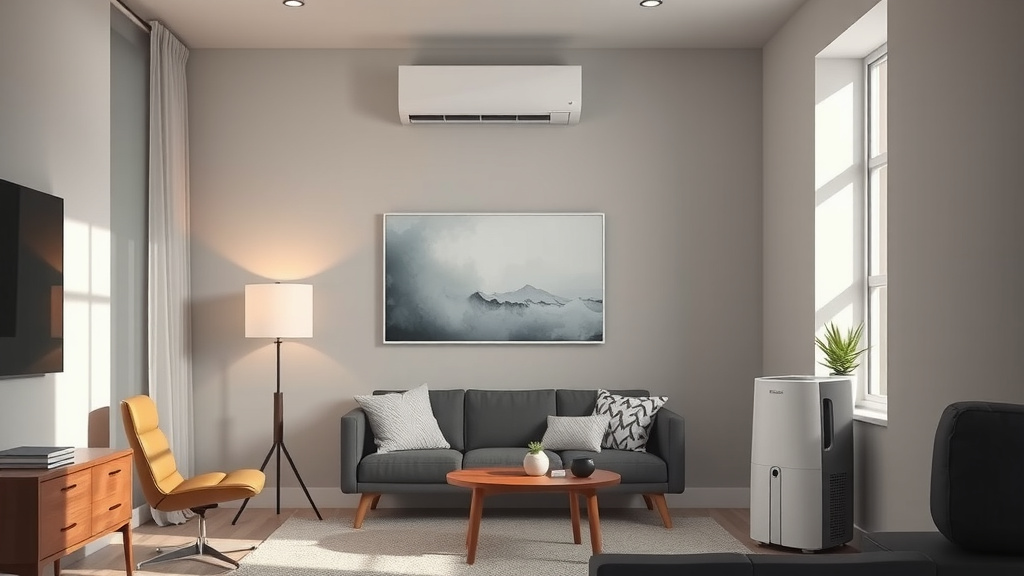
Yes, you absolutely can use an AC and a dehumidifier together to enhance comfort and efficiency in your home. These appliances can work as a team, especially in humid climates, to create a more pleasant indoor environment.
Running both an air conditioner and a dehumidifier concurrently often provides superior humidity control compared to using either unit alone, leading to better air quality and comfort.
Here’s a quick summary of what we’ll cover:
- Discover why combining an AC and dehumidifier can be super effective.
- Understand how each appliance tackles humidity differently.
- Learn the smart way to operate them to save energy and maximize comfort.
- Identify signs your home might benefit from this dynamic duo.
- Get practical tips for setting them up for optimal performance.
Can I Use AC and Dehumidifier Together?
You can certainly use your AC and dehumidifier together for improved home comfort. This pairing is often a smart move, especially during muggy summer days or in homes prone to dampness.
Why Consider Running Both?
Ever walked into your home and felt that heavy, sticky air, even with the AC blasting? That’s high humidity. Your AC cools the air, but sometimes it just can’t keep up with removing all the moisture.
Research shows that optimal indoor humidity levels are crucial for comfort and health (NIH). When humidity is too high, it feels warmer than it is, and can encourage mold growth.
AC vs. Dehumidifier: A Quick Overview
Let’s clarify what each appliance primarily does. Understanding their main roles helps you use them better.
Your air conditioner’s primary job is to cool the air. A side effect of this cooling process is some dehumidification as moisture condenses on its cold coils.
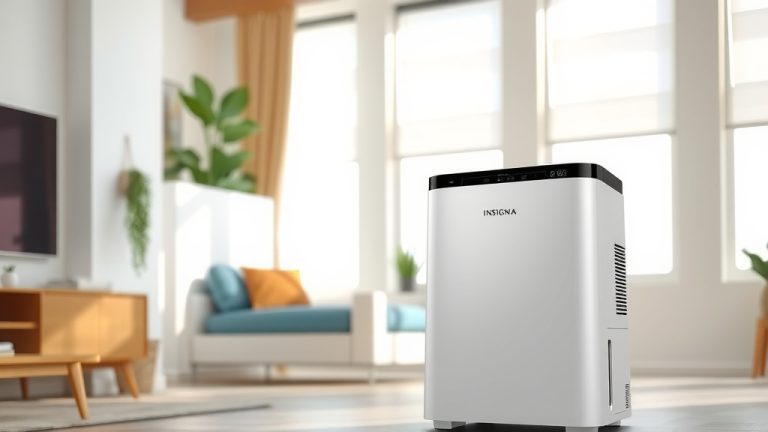
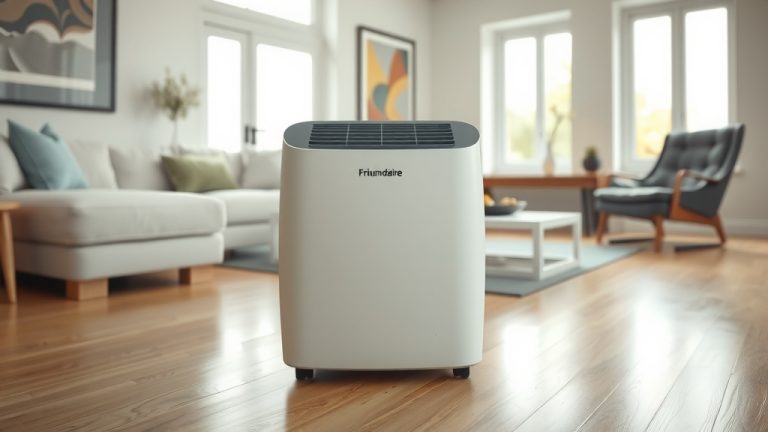
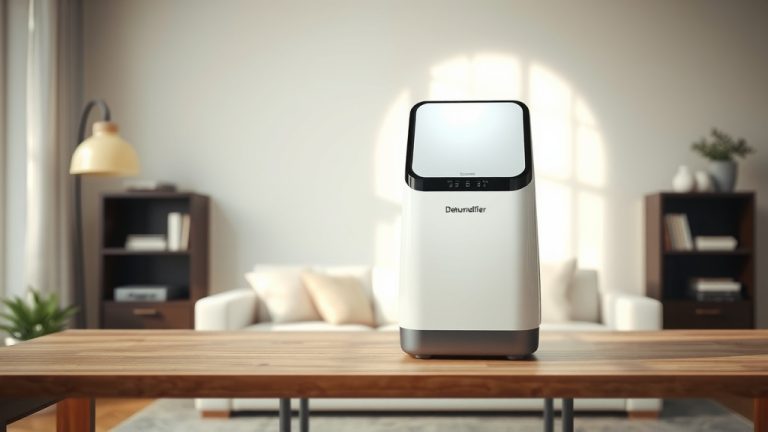
A dehumidifier’s main purpose is to remove moisture from the air, regardless of temperature. It draws in damp air, passes it over cold coils to condense water, and then releases drier air back into the room.
The “Feels Like” Factor
Think about how 75 degrees Fahrenheit feels different on a dry day versus a humid day. High humidity makes you feel much warmer and stickier (Cleveland Clinic). By lowering humidity, a dehumidifier lets you set your AC a little higher, saving energy while feeling just as cool.
When Does it Make Sense to Combine Them?
There are specific times when running both units together truly shines. Consider your home’s unique needs.
If you live in a climate with high outdoor humidity, like coastal regions, your home might struggle to stay dry. Both units together can tackle this challenge effectively.
When your AC runs constantly but your home still feels damp or smells musty, that’s a clear sign. A dehumidifier can pick up the slack, removing moisture that the AC misses.
Combatting Mold and Allergens
High humidity is a breeding ground for mold, dust mites, and mildew. These can trigger allergies and asthma symptoms (CDC). Many experts say maintaining indoor humidity between 30% and 50% can greatly reduce these issues.
Using an AC to cool and a dehumidifier to dry helps you hit that sweet spot. It creates a less hospitable environment for these unwelcome guests.
Energy Efficiency: A Smart Approach
You might worry that running both will skyrocket your energy bill. However, when used strategically, it can actually lead to energy savings.
Because drier air feels cooler, you can set your AC thermostat a few degrees higher. This means your AC runs less often or for shorter periods, reducing its energy consumption.
We found that a small increase in your AC thermostat setting can lead to noticeable energy savings over time. The dehumidifier works efficiently to remove the moisture burden.
How to Use Them Together Effectively
Here are some practical tips for running your AC and dehumidifier in harmony.
- Set your AC thermostat higher: Try increasing it by 2-3 degrees Fahrenheit.
- Place the dehumidifier strategically: Put it in the dampest areas or a central location.
- Close windows and doors: Prevent humid outdoor air from entering your home.
- Monitor humidity levels: Use a hygrometer to keep an eye on your indoor humidity.
- Clean filters regularly: Both units will run more efficiently with clean filters.
Potential Downsides to Consider
While often beneficial, there are a few things to watch out for when using both appliances.
Running both unnecessarily can lead to over-drying the air. Air that is too dry can cause discomfort, dry skin, and cracked wood furnishings. Use a hygrometer to avoid this.
If your AC is perfectly sized and running efficiently in a moderately humid climate, adding a dehumidifier might just be extra energy consumption. Assess your home’s needs before committing to both.
AC vs. Dehumidifier: A Comparison
This table helps illustrate the primary functions and benefits of each unit.
| Feature | Air Conditioner (AC) | Dehumidifier |
|---|---|---|
| Primary Function | Cools air | Removes moisture from air |
| Temperature Effect | Lowers air temperature | Slightly raises air temperature (waste heat) |
| Humidity Effect | Dehumidifies as a byproduct | Dehumidifies as primary function |
| Energy Use (Primary) | High (cooling) | Moderate (moisture removal) |
| Best For | Hot weather, general comfort | High humidity, dampness, mold prevention |
Signs You Might Need Both
Not sure if your home would benefit from the AC and dehumidifier tag-team? Look for these clues.
Do you notice condensation on windows or cold pipes? This indicates excess moisture in your indoor air. That’s a strong hint.
Is there a persistent musty or damp odor, especially in basements or bathrooms? Such smells are tell-tale signs of high humidity and potential mold issues.
Are your allergies worse at home, or do you frequently feel sticky even with the AC on? These sensations suggest your AC isn’t fully tackling the humidity problem.
Achieving Ideal Humidity Levels
Aim for indoor relative humidity between 40% and 50% for optimal comfort and health. Many guidelines point to this range as ideal (Mayo Clinic). When you stay within these bounds, you’re less likely to have issues.
Both devices working together can maintain these levels more easily. They create a healthier and more comfortable living space for you and your family.
Checklist for Optimal Combined Use
Follow these quick steps to get the best results from both units.
- Verify your AC is set to a comfortable temperature, perhaps a bit higher than usual.
- Ensure your dehumidifier is operating at its target humidity level, usually 40-50%.
- Keep all exterior doors and windows firmly closed to prevent outdoor air infiltration.
- Regularly check and clean the air filters on both your AC and dehumidifier.
- Empty the dehumidifier’s water reservoir or confirm its drain hose is working.
Conclusion
Using an AC and a dehumidifier together is a smart strategy for many homes, especially in humid climates. This dynamic duo allows you to achieve optimal comfort and air quality, often with surprising energy efficiency.
While your AC cools, your dehumidifier specifically tackles excess moisture, making your home feel cooler, fresher, and healthier. By understanding how each unit works and implementing smart usage tips, you can transform your living space. Say goodbye to sticky air and welcome a new level of indoor comfort.
Frequently Asked Questions
Is it bad to run an AC and dehumidifier at the same time?
No, it’s generally not bad; in fact, it can be quite beneficial. Running both units concurrently often provides superior humidity control and can even lead to energy savings by allowing you to set your AC to a slightly higher temperature while still feeling comfortable.
Which should I run first, the AC or the dehumidifier?
You can run them simultaneously. There isn’t a strict “run first” rule when using them together. The key is to set your AC to your desired cool temperature and your dehumidifier to your target humidity level (e.g., 45%), then let them work in tandem.
Can a dehumidifier replace an AC in humid weather?
A dehumidifier cannot replace an AC for cooling. While removing humidity makes the air feel cooler, a dehumidifier actually generates a small amount of heat as it operates. It excels at drying the air, but an AC is essential for lowering the actual air temperature.
What humidity level should I aim for indoors with both running?
For optimal comfort, health, and to prevent mold growth, aim for an indoor relative humidity level between 40% and 50%. A hygrometer can help you monitor this, allowing you to adjust your dehumidifier settings accordingly.
Does a dehumidifier make a room warmer?
Yes, a dehumidifier does generate a small amount of waste heat as a byproduct of its operation, which can slightly raise the room temperature. However, the cooling effect of the AC typically offsets this, and the benefit of lower humidity often outweighs this minimal temperature increase.