Can I Use Dehumidifier Water for Aquarium?
No, you should not use dehumidifier water for your aquarium.
This water often contains various contaminants and impurities that are harmful to fish and other aquatic life.
TL;DR: Using dehumidifier water for your aquarium is a bad idea because:
- It contains unpredictable heavy metals and chemicals.
- The mineral content is inconsistent and can harm fish.
- It can introduce bacteria and mold spores.
- Aquarium water needs precise, stable conditions.
- Safe, simple alternatives are readily available.
Can I Use Dehumidifier Water for Aquarium?
You might wonder if that collected water from your dehumidifier could be useful for your fish tank. It seems like clean, pure water, right? The short answer is a definite no. Using dehumidifier water in your aquarium is not a safe practice and can actually put your aquatic pets at risk.
We understand the thought process. You’re collecting all this water, and it looks clear. But looks can be very deceiving when it comes to the delicate balance of an aquarium ecosystem. Let’s look at why this isn’t a good idea.
Why Dehumidifier Water Isn’t Safe for Your Fish
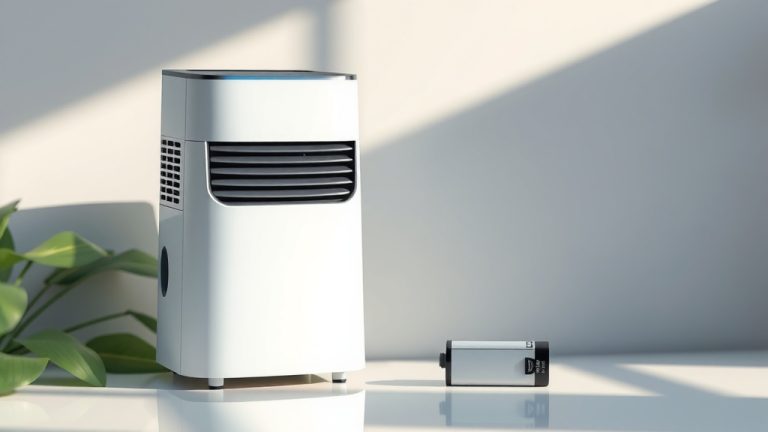
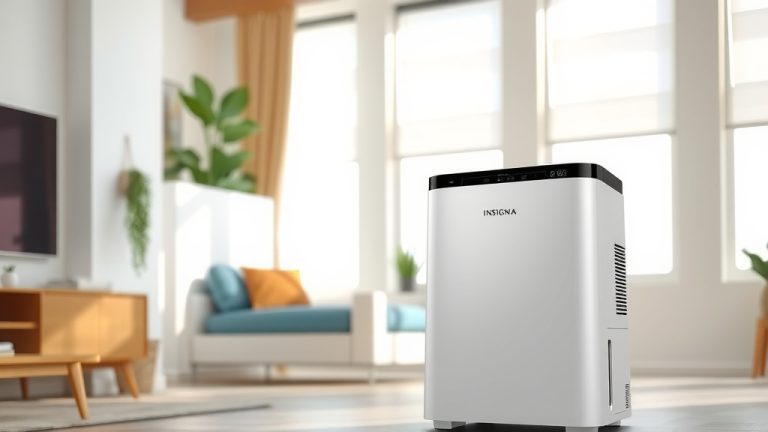
Dehumidifiers work by drawing moisture from the air. As air passes over cold coils, condensation forms. This condensate then drips into a collection bucket. During this process, the water can pick up a lot of things you don’t want in your fish tank.
Many experts emphasize that this water is essentially unregulated. It’s not treated for purity or safety for aquatic life. The risks involved far outweigh any perceived benefit of reusing the water.
Heavy Metals and Contaminants
Your dehumidifier is made of various components. The coils, tubing, and collection bucket can all leach tiny particles into the water. We found that these can include heavy metals like copper, zinc, or aluminum. Even small amounts of these metals are toxic to fish, invertebrates, and live plants in an aquarium (NIH).
Additionally, dust, pollen, and other airborne particles trapped by the dehumidifier can dissolve into the water. These might seem harmless, but they can dramatically alter your tank’s chemistry.
Unpredictable pH and Mineral Content
Fish thrive in stable water conditions. The pH level, along with hardness (mineral content), must remain consistent. Dehumidifier water is often very soft, meaning it lacks essential minerals. Its pH can also be highly variable.
Introducing water with inconsistent pH or mineral content can cause pH shock or osmotic stress for your fish. This can weaken their immune system or even be fatal. It’s a risk not worth taking for the health of your aquatic friends.
Bacterial Growth Risks
The collection bucket in a dehumidifier can become a breeding ground for bacteria, mold, and algae if not cleaned regularly. This moist, stagnant environment is ideal for microbial growth. While these might not affect humans immediately, they can be disastrous for a sensitive aquarium environment.
Introducing these microorganisms into your tank can lead to disease outbreaks. It can also cause unsightly algae blooms, upsetting the delicate balance you’ve worked hard to achieve. Think of it like adding unknown pond water directly to your clean tank.
What’s Actually in Dehumidifier Water?
It’s essentially condensed atmospheric water. But “atmospheric” means it’s been in contact with everything in your home’s air. This isn’t filtered rainwater; it’s water that has interacted with your indoor environment.
Many studies point to a range of impurities. These can vary greatly depending on your home’s age, construction materials, and even cleaning products you use. It’s a chemical lottery you don’t want to play with your aquarium. We often find that common household pollutants can easily end up in that water.
Here’s a quick look at what might be lurking:
| Potential Contaminant | Source in Dehumidifier | Risk to Aquarium |
|---|---|---|
| Heavy Metals (Copper, Zinc) | Coils, internal components | Toxic to fish, invertebrates, plants |
| Dust, Pollen, Allergens | Airborne particles in room | Can alter water chemistry, introduce organic waste |
| Bacteria, Mold Spores | Stagnant water in collection bucket | Disease outbreaks, algae blooms |
| Residual Chemicals | Cleaning products, household aerosols | Directly toxic to aquatic life |
Understanding Your Aquarium’s Needs
Maintaining a healthy aquarium means replicating a natural aquatic environment as closely as possible. This requires careful attention to water quality. Your fish rely completely on the water you provide for oxygen, waste removal, and general well-being.
It’s not just about clean water; it’s about the right kind of clean water. Think of it like a delicate recipe where every ingredient matters.
The Importance of Stable Water Parameters
Aquariums require precise and stable water parameters. These include pH, alkalinity (KH), general hardness (GH), and levels of ammonia, nitrite, and nitrate. Sudden changes in any of these can stress fish.
Dehumidifier water offers no guarantee of these stable parameters. In fact, it often introduces instability, which is the enemy of a thriving aquarium. Consistency is truly key for fish health (Cleveland Clinic).
Different Fish, Different Requirements
Just like people, different fish species have different ideal living conditions. A Betta fish needs different water than a Discus. Some prefer soft, acidic water, while others thrive in hard, alkaline conditions.
Using generic dehumidifier water ignores these specific needs. It’s like feeding every animal the same food; it might work for some, but it’s detrimental to others. Always know the specific needs of your fish.
Safe Alternatives for Aquarium Water
Don’t despair! There are many safe and reliable sources for your aquarium water. These options give you control over the water quality, which is exactly what your fish need to stay healthy and happy.
Choosing the right water source is one of the most fundamental steps in successful fish keeping. It’s often easier and less expensive than you might think to get it right.
Tap Water with Conditioner
For most freshwater aquariums, treated tap water is the most common and practical choice. Tap water contains chlorine and chloramines, which are harmful to fish and beneficial bacteria. However, these are easily neutralized.
You simply add a good quality aquarium water conditioner (dechlorinator) to your tap water before adding it to the tank. This makes it safe for your fish by removing harmful chemicals. It’s a simple, cost-effective solution.
Reverse Osmosis (RO) Water
RO water is highly purified water with almost all minerals and contaminants removed. It’s ideal for sensitive fish species or reef tanks where specific water parameters are critical. However, RO water needs to be “remineralized.”
You add specific salts and minerals back into RO water to achieve the desired hardness and pH for your specific fish. This gives you ultimate control over your water chemistry. Many advanced aquarists choose this method.
Distilled Water
Similar to RO water, distilled water is purified by boiling and collecting the steam, removing minerals and impurities. It’s another excellent option for sensitive tanks when remineralized.
Like RO water, distilled water is too pure on its own for most aquariums. It lacks essential minerals that fish need. You’ll need to add back the necessary elements to make it suitable for your aquatic pets.
What About Evaporated Water from Aquariums?
This is a common point of confusion. When water evaporates from your aquarium, it leaves behind all the minerals, salts, and contaminants. The evaporated water itself is essentially pure H2O.
Therefore, when you top off your tank to replace evaporated water, you should use distilled or RO water. This prevents the accumulation of minerals and total dissolved solids (TDS) in your tank. This is very different from using dehumidifier water, which contains collected impurities.
Simple Steps for Preparing Safe Aquarium Water
Preparing safe water doesn’t have to be complicated. Here’s a quick checklist to ensure your water is always fish-friendly:
- Know your tap water parameters (test it!).
- Always use a reliable water conditioner for tap water.
- Measure and mix remineralizers carefully for RO/distilled water.
- Use a dedicated bucket for aquarium water only.
- Keep water at the correct temperature before adding to the tank.
- Perform regular water changes to maintain water quality.
Conclusion
While the idea of reusing dehumidifier water for your aquarium might seem smart, the risks to your fish are simply too great. The unpredictable presence of heavy metals, chemicals, and microorganisms makes it unsuitable for any aquatic environment. Your fish depend on stable, clean, and appropriately conditioned water to thrive.
Stick to proven methods: properly conditioned tap water, or remineralized RO or distilled water. These reliable sources ensure your finned friends remain healthy and happy in their underwater home. Your aquarium is a living ecosystem, and its water quality is paramount.
FAQs About Dehumidifier Water and Aquariums
Can dehumidifier water be used for plants?
Yes, dehumidifier water is generally safe for houseplants, as long as the water looks clear and the dehumidifier is reasonably clean. Plants are less sensitive to the trace minerals and contaminants found in dehumidifier water than fish are. Many people use it to water their indoor plants without issues.
Is dehumidifier water drinkable for humans?
No, dehumidifier water is not safe for human consumption. It is essentially condensate that has passed over machinery parts and collected airborne particles. It lacks essential minerals and may contain harmful bacteria, mold spores, or heavy metals. It is not potable water.
What else can I use dehumidifier water for?
Besides watering houseplants, you can use dehumidifier water for non-potable purposes like flushing toilets, washing floors, cleaning outdoor surfaces, or filling steam irons. Always ensure the water is clear and the dehumidifier has been maintained to avoid using highly contaminated water.
How often should I clean my dehumidifier’s water bucket?
It’s best to clean your dehumidifier’s water collection bucket at least once a month, or more frequently if you use it heavily or notice any slime or odor. Use a mild soap and water solution, then rinse thoroughly to prevent the buildup of mold, mildew, and bacteria.
Why is it important to test aquarium water regularly?
Testing aquarium water regularly is vital because it allows you to monitor key parameters like pH, ammonia, nitrite, and nitrate levels. This helps you detect problems early, before they harm your fish. Regular testing ensures a stable and healthy environment, which is fundamental for preventing disease and stress in your aquatic pets.