Can I Use Dehumidifier Water in My Cpap?
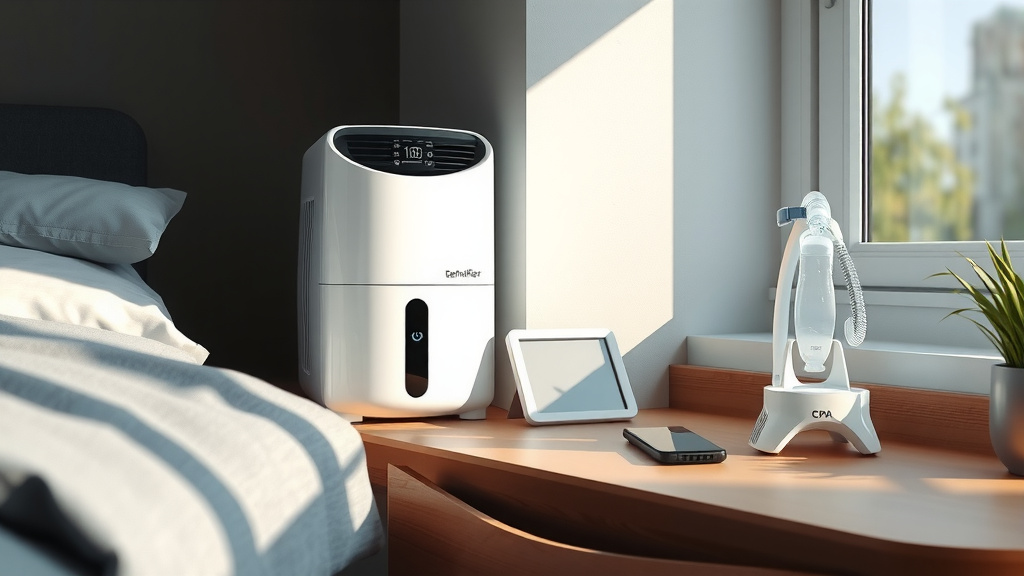
No, you absolutely should not use dehumidifier water in your CPAP machine.
Dehumidifier water contains impurities, minerals, and microorganisms that can harm your health and damage your sensitive CPAP device.
Here’s a quick overview of why using dehumidifier water in your CPAP is a bad idea:
- Dehumidifier water is not sterile; it often contains bacteria, mold spores, and dust.
- It holds minerals and heavy metals that can build up in your CPAP humidifier.
- Using it can lead to respiratory infections or allergic reactions.
- This water can significantly shorten the lifespan of your CPAP machine components.
- Always use only distilled water for your CPAP machine for safety and optimal function.
Can I Use Dehumidifier Water in My Cpap?
Let’s get straight to it: The answer is a firm no. Using dehumidifier water in your CPAP machine is a practice you should avoid entirely.
Why is this such a big deal, you ask? It’s all about your health and the lifespan of your valuable CPAP equipment.
The Hidden Dangers of Dehumidifier Water
When your dehumidifier pulls moisture from the air, it’s essentially collecting airborne particles. Think of it like a magnet for all sorts of things you don’t want to breathe in.
This water might look clear, but it’s a mix of impurities. We found that it can harbor bacteria, mold spores, and even dust mites (Cleveland Clinic).
It also contains minerals from the air. These can be tiny, but they quickly build up in your CPAP’s humidifier tank and heating element.
Health Risks You Don’t Want to Take
Imagine breathing in all those microscopic invaders. Not exactly a pleasant thought, right?
Using impure water can lead to serious respiratory issues or infections. You might experience coughing, wheezing, or even pneumonia (Mayo Clinic).
For someone relying on a CPAP, your airway is already sensitive. Introducing contaminants can make things much worse.
Damage to Your CPAP Machine
Your CPAP machine is a precision medical device. It’s designed to deliver clean, humidified air safely.
The minerals in dehumidifier water cause scaling and mineral deposits. This gunk can clog tubes, corrode components, and reduce efficiency.
Many experts say that using anything other than distilled water will void your machine’s warranty. Why risk an expensive repair or replacement?
Distilled Water: Your CPAP’s Best Friend
So, if dehumidifier water is out, what should you use? The unanimous answer is distilled water. No exceptions.
Distilled water goes through a process that removes minerals, impurities, and contaminants. It’s essentially purified steam that’s been condensed back into liquid.
This purity ensures your CPAP works as intended. It protects both your health and your machine’s components.
What About Tap Water or Bottled Water?
Sometimes, people wonder if tap water or regular bottled water is okay. Unfortunately, these aren’t suitable either.
Tap water, even filtered, contains minerals and chemicals like chlorine. Bottled water might be clean, but it’s not necessarily mineral-free or sterile.
These can all lead to the same problems as dehumidifier water: mineral buildup and potential health risks.
Understanding Different Water Types for CPAP Use
Let’s make it super clear with a quick comparison. This table shows why some water types are a definite no-go.
| Water Type | Minerals/Impurities? | Safe for CPAP? | Why? |
|---|---|---|---|
| Distilled Water | No (virtually none) | Yes | Removes minerals and contaminants. |
| Dehumidifier Water | Yes (high chance) | No | Contains bacteria, mold, dust, minerals. |
| Tap Water | Yes | No | Contains minerals, chlorine, varying purity. |
| Bottled Water | Yes (can vary) | No | Not sterile, may have minerals. |
Practical Tips for Your CPAP Water
Keeping your CPAP running smoothly and safely is easier than you think. A few simple habits make a big difference.
Always use fresh distilled water each night. Don’t reuse water from the previous night, even if it looks clean.
Clean your humidifier chamber regularly. This prevents any potential buildup and keeps your system hygienic.
Where to Get Distilled Water
Distilled water is readily available. You can find it at most grocery stores, pharmacies, and even big box retailers.
It’s usually quite affordable, making it a small investment for your health and CPAP longevity. Stock up when you find a good price!
When You’re Traveling
Traveling with your CPAP? Great! But don’t forget your water source.
It’s always best to bring a small supply of distilled water with you. If you run out, look for it at local stores or pharmacies.
In a pinch, some experts suggest using sterile saline solution for a night or two. This is only a temporary fix, though (NIH).
Maintaining Your CPAP for Optimal Health
Using the right water is a big step, but regular maintenance is also key. Your CPAP is working hard for you every night!
Clean your mask, tubing, and humidifier chamber as recommended by your device manufacturer. This usually means daily or weekly cleaning.
Replace filters and other consumables on schedule. A clean system means cleaner air for you.
Your Checklist for CPAP Water Safety
- Always use 100% distilled water.
- Never use dehumidifier water, tap water, or bottled water.
- Refill your humidifier chamber with fresh distilled water every night.
- Clean your humidifier chamber regularly to prevent buildup.
- Ensure the water source is reliable and free from contaminants.
Conclusion
While looking for ways to be resourceful is admirable, using dehumidifier water in your CPAP is a risk not worth taking. Your health and the proper function of your medical device are too important.
Stick to readily available distilled water. It’s the safest, most effective, and manufacturer-recommended choice for your CPAP machine. Breathe easy, knowing you’re doing right by yourself and your equipment.
FAQs About CPAP Water
Is there a difference between distilled water and purified water for CPAP?
Yes, there’s a key difference. Distilled water is boiled into a vapor and condensed back, removing nearly all minerals and impurities. Purified water, while treated, may still contain some minerals depending on the purification method used. For CPAP, distilled water is preferred because it guarantees minimal mineral content, preventing mineral buildup in your machine.
What happens if I accidentally use tap water in my CPAP for one night?
Using tap water once usually won’t cause immediate severe damage to your CPAP or health, but it’s not recommended. You might notice some mineral residue forming in the humidifier chamber sooner. The main concern is long-term use, which leads to significant mineral buildup and potential for bacteria or other contaminants to grow. Just switch back to distilled water immediately and clean your chamber thoroughly.
Can I boil tap water to make it safe for my CPAP?
Boiling tap water can kill some bacteria and viruses, making it sterile in that sense. However, boiling does not remove minerals or chemical impurities from the water. These minerals will still deposit in your CPAP humidifier, causing scale buildup over time. So, boiled tap water is not a substitute for distilled water.
How often should I clean my CPAP humidifier chamber?
Most manufacturers and health experts recommend cleaning your CPAP humidifier chamber daily with warm water and mild soap, then rinsing thoroughly and air drying. This daily cleaning prevents the buildup of bacteria, mold, and mineral deposits, ensuring you’re breathing the cleanest possible air.
Is it safe to run my CPAP without water in the humidifier chamber?
Yes, you can typically run your CPAP machine without water in the humidifier chamber if you prefer not to use humidification or forget to fill it. Just make sure the humidifier is turned off or set to its lowest setting to prevent the heating element from running dry and potentially damaging itself. Your CPAP will still deliver air pressure as needed, just without added moisture.