Can I Use Dehumidifier Water in My Humidifier?
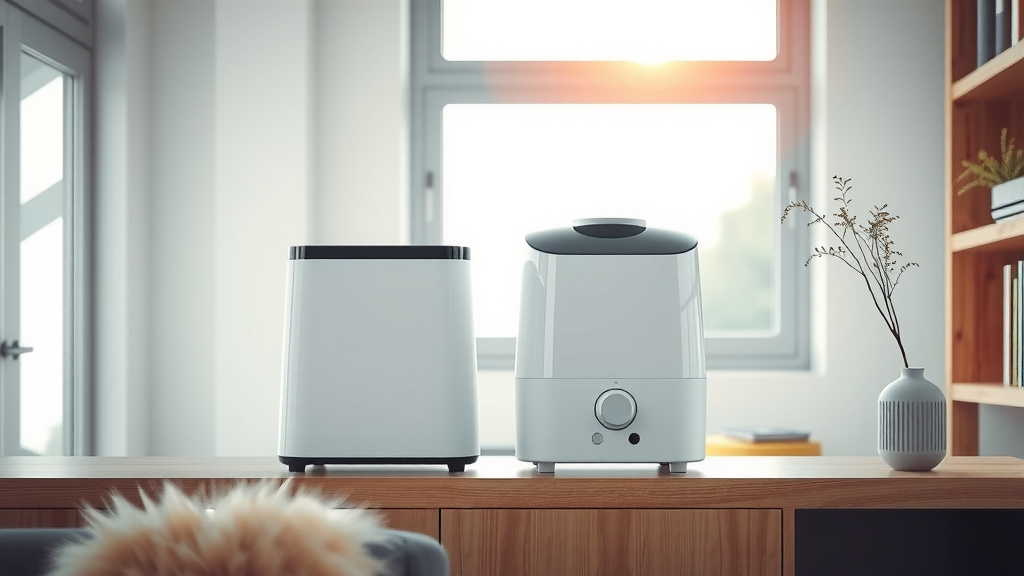
No, you should not use dehumidifier water in your humidifier. The water collected by your dehumidifier contains contaminants, bacteria, and mold spores that can be released into the air by a humidifier, posing health risks.
Using dehumidifier water in a humidifier can introduce harmful microorganisms and mineral deposits into your home’s air, defeating the purpose of a clean, healthy humidity level.
Here’s a quick overview of why using dehumidifier water in your humidifier is not a good idea:
- Dehumidifier water is not purified; it’s just condensed moisture from the air.
- It often contains bacteria, mold spores, and dust particles from your indoor environment.
- Introducing these contaminants into your humidifier can create a breeding ground for germs.
- You risk spreading airborne pollutants and mineral dust throughout your home.
- Always use distilled water for your humidifier to ensure cleaner, healthier mist.
Can I Use Dehumidifier Water in My Humidifier?
The short and clear answer is no, you absolutely should not use water from your dehumidifier in your humidifier. While it might seem like a resourceful idea, it carries significant health risks for you and your family.
Why This Question Matters
You might look at the bucket of water your dehumidifier collects and think, “Free water!” It’s tempting to reuse it, especially when trying to be resource-efficient. But when it comes to the air you breathe, water quality is paramount.
We often get questions about this, and it’s a natural thought. After all, both appliances deal with water in the air. Yet, their processes are different, leading to vastly different water types.
What Exactly Is Dehumidifier Water?
Think of your dehumidifier as a giant magnet for airborne moisture. It pulls humidity from the air, condenses it, and collects it. This process removes water vapor but doesn’t purify the water in any way.
The water collected is essentially just condensed air moisture. It bypasses any filtration system that would remove impurities. This is where the misunderstanding often begins.
The “Purified” Myth
Some people mistakenly believe dehumidifier water is pure because it’s condensed. This isn’t true. It’s not distilled, filtered, or treated in any way to remove contaminants.
Research consistently shows that this water is far from sterile. It’s merely a collection of what was floating in your air (CDC).
What’s In Your Dehumidifier Water?
Let’s get real about what might be lurking in that dehumidifier bucket. The air in your home isn’t just pure H2O. It’s a mix of all sorts of tiny particles and organisms.
When the dehumidifier pulls water from the air, it also collects many of these airborne elements. This creates a sort of “soup” of household contaminants.
Here’s a quick look at common elements found in dehumidifier water:
| Potential Contaminant | Source | Risk in Humidifier |
|---|---|---|
| Bacteria | Dust, skin cells, general air | Can multiply rapidly; aerosolized into air |
| Mold Spores | Damp areas, air currents | Can cause respiratory issues and allergies |
| Dust Particles | Everyday household dust | Can be inhaled, irritate lungs |
| Minerals (trace amounts) | Depends on water source, local air quality | Leaves white dust, less common than tap water |
This table highlights why using this water can be problematic. You are essentially collecting all these unwanted airborne elements.
What Happens If You Use It In A Humidifier?
Now, imagine taking that collected, contaminated water and putting it into a machine designed to create a fine mist for you to breathe. Not a great picture, right?
A humidifier, especially ultrasonic or cool mist types, turns water into a fine aerosol. This means anything in that water gets atomized and dispersed throughout your room.
Health Risks To Consider
Using dirty water in your humidifier can lead to some unpleasant health outcomes. It’s not just about comfort; it’s about your well-being.
- Respiratory Problems: Inhaling mold spores or bacteria can trigger asthma attacks, allergic reactions, or even lung infections (Mayo Clinic).
- “Humidifier Lung”: This is a type of hypersensitivity pneumonitis, a serious lung inflammation caused by inhaling airborne microorganisms from contaminated humidifiers.
- Allergy Symptoms: Sneezing, coughing, itchy eyes, and nasal congestion can worsen if you’re spreading allergens.
- Skin Irritation: While less common, certain airborne particles can irritate sensitive skin.
Many experts emphasize that clean humidification is key for health. Introducing contaminated water negates any potential benefits.
Humidifier Health – Why Water Quality Counts
Your humidifier’s primary job is to add clean, healthy moisture to the air. To do this effectively and safely, the water you put in it needs to be as pure as possible. It’s about maintaining a healthy indoor environment.
The humidifier itself can become a breeding ground for bacteria and mold if not cleaned properly or if dirty water is used (NIH). This is why choosing the right water is so critical.
The Dangers of Tap Water
While we’re on the topic of water quality, it’s also worth noting that regular tap water isn’t ideal for humidifiers either. Tap water often contains minerals like calcium and magnesium.
When tap water is aerosolized, these minerals create a fine white dust that settles on furniture and can be inhaled. This “white dust” can irritate respiratory passages, especially in sensitive individuals.
Best Water For Your Humidifier
So, if dehumidifier water and tap water are out, what should you use? The answer is simple and highly recommended by manufacturers and health organizations alike.
Prioritizing clean water ensures your humidifier provides only beneficial moisture, free from unwanted airborne extras. It’s a small change that makes a big health difference.
Here’s your quick checklist for humidifier water:
- Always use distilled water.
- Never use water from a dehumidifier.
- Avoid tap water if possible to prevent mineral dust.
- Consider filtered water as a better alternative to tap, but distilled is best.
- Empty and rinse your humidifier daily.
Distilled Water: The Gold Standard
Distilled water is the best choice for your humidifier. It has had all minerals and impurities removed through the distillation process. This means no white dust and fewer opportunities for bacteria or mold to grow within the humidifier.
It’s an investment in your indoor air quality and your respiratory health. While it costs a little more, the benefits far outweigh the expense.
When To Clean Your Humidifier
Even with the right water, routine cleaning is essential. We found that bacteria and mold can still develop in a humidifier’s reservoir over time (Cleveland Clinic). Aim to clean your humidifier every day or every other day.
Follow your manufacturer’s instructions, but typically this involves emptying the tank, rinsing it with fresh water, and wiping down surfaces. A deeper cleaning with vinegar or bleach solution is recommended weekly.
Dehumidifier Water Has Other Uses!
Don’t just pour that dehumidifier water down the drain! While it’s not safe for your humidifier or for drinking, it can be useful for many non-potable purposes around your home. It’s about being resourceful safely.
Thinking creatively can help you get more value from the water your dehumidifier collects, without compromising anyone’s health. We found that many people successfully repurpose this water.
Non-Humidifier Uses For Dehumidifier Water
Here are some clever ways to reuse dehumidifier water, keeping safety in mind:
- Watering outdoor plants or garden beds (not edible plants if you are concerned about trace elements).
- Flushing toilets.
- Washing floors or other non-food surfaces.
- Filling a car radiator (check your car manual first).
- Cleaning tools or rinsing out paintbrushes.
Remember, it’s still non-potable, so keep it away from consumption or direct contact with food preparation areas. Always use caution and common sense.
Conclusion
While the idea of reusing dehumidifier water in your humidifier might seem eco-friendly or economical, it’s a practice that carries significant health risks. Dehumidifier water is far from pure; it contains various contaminants that, when aerosolized by a humidifier, can harm your respiratory system and overall well-being. Always choose distilled water for your humidifier to ensure you’re adding clean, healthy moisture to your home’s air. For the water collected by your dehumidifier, consider repurposing it for non-potable uses like watering outdoor plants or cleaning. Your health and the air quality in your home are simply too important to compromise.
Is dehumidifier water safe to drink?
No, dehumidifier water is not safe to drink. It’s collected from the air and often contains bacteria, mold spores, and other airborne particles, making it unsuitable for consumption.
Can I use dehumidifier water for my houseplants?
It’s generally not recommended to use dehumidifier water for indoor houseplants, especially those you might consume (like herbs). While some people use it for outdoor plants, for indoor plants, the potential for bacteria and mold spores can introduce issues to their soil and your indoor environment.
What is the white dust from my humidifier?
The white dust often comes from minerals present in tap water. When tap water is used in a humidifier, these minerals become airborne and settle as a fine white powder on surfaces in your home. Distilled water eliminates this issue.
How often should I clean my humidifier?
You should clean your humidifier regularly to prevent bacterial and mold growth. Many experts suggest rinsing and refilling the water tank daily, and performing a more thorough cleaning with a vinegar or mild bleach solution at least once a week (EPA).
Why is my dehumidifier water cloudy or discolored?
If your dehumidifier water appears cloudy or discolored, it indicates a high concentration of contaminants like dust, dirt, pollen, mold, or bacteria in the air it has collected. This is another clear sign that this water is not clean and should not be used in a humidifier or for drinking.