Can I Use Humidifier and Dehumidifier at the Same Time?
Generally, you should not use a humidifier and dehumidifier at the same time in the same area. They perform opposing functions, making their simultaneous operation inefficient and often pointless.
Running a humidifier and a dehumidifier concurrently will likely lead to wasted energy and can make it harder to achieve your desired indoor humidity levels effectively.
Here’s the quick takeaway about using both humidity devices:
- Using a humidifier and dehumidifier together in one space is generally not recommended.
- They work against each other, making humidity control harder.
- You’ll likely waste a lot of energy and increase utility bills.
- The best approach is to target specific humidity needs for different rooms.
- Aim for an ideal humidity level of 40-60% for comfort and health.
Can I Use Humidifier and Dehumidifier at the Same Time?
Operating a humidifier and a dehumidifier at the same time in the same room is like hitting the gas and the brake in your car simultaneously. It largely defeats the purpose of both machines.
They have opposite goals: one adds moisture to the air, and the other removes it. Trying to do both just creates a tug-of-war for your home’s humidity.
Understanding Your Home’s Air Quality
Before we go deeper, let’s quickly look at what each device does. This helps us understand why running them together is typically a bad idea.
What’s a Humidifier For?
A humidifier adds moisture back into the air. You might use one when the air feels too dry, perhaps during winter or in arid climates.
Dry air can cause issues like dry skin, irritated sinuses, or even static electricity. It helps keep your environment comfortable and can protect wooden furniture from cracking.
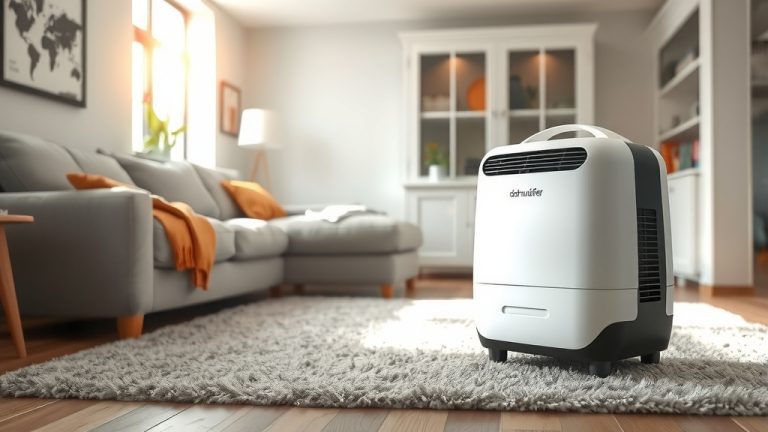
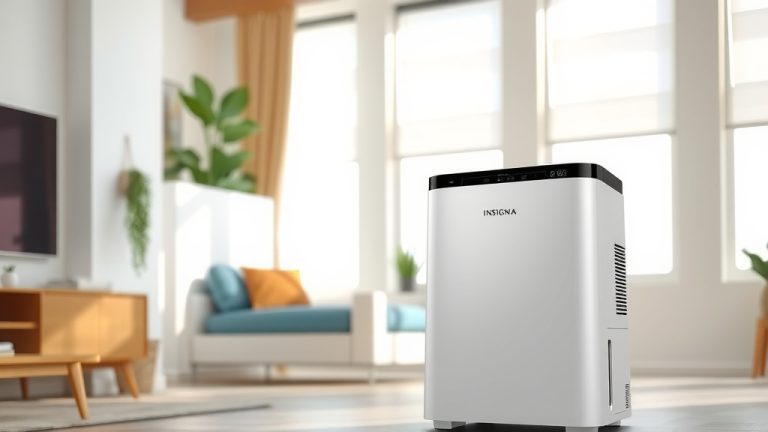
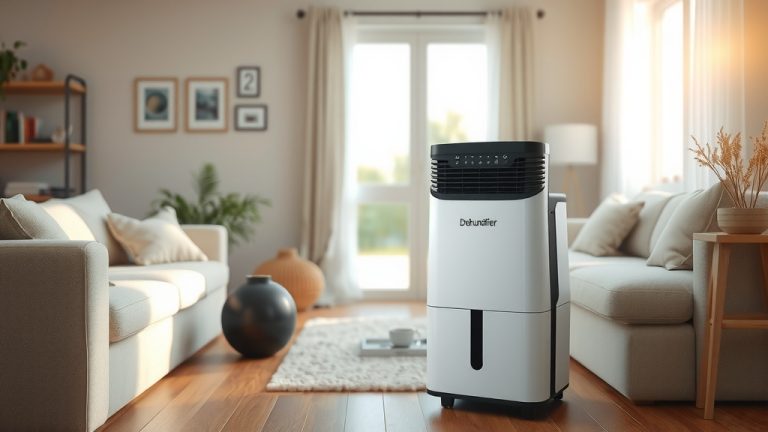
What’s a Dehumidifier For?
Conversely, a dehumidifier takes excess moisture out of the air. You would reach for this device when the air feels sticky or damp.
High humidity can promote mold growth, mildew smells, and attract dust mites. It makes your home feel clammy and less pleasant, especially in humid summer months.
The Push and Pull of Humidity
Imagine trying to fill a bucket while someone else is actively emptying it with another hose. That’s essentially what happens when you run both a humidifier and a dehumidifier in the same space.
One is adding moisture, and the other is removing it. You end up with a **constant battle** where neither machine can do its job efficiently.
Why Running Both is Usually Counterproductive
When these two machines operate together, they simply work against each other. The humidifier tries to raise humidity, and the dehumidifier tries to lower it.
This endless cycle uses a lot of electricity without achieving your desired humidity level. It’s a **waste of energy and money** for little to no benefit.
When Might You Consider Using Both? (Rare Cases)
While generally not recommended, there are a few very specific, unusual scenarios where people might consider having both devices available. However, this rarely means running them at the same exact time in the same spot.
Specific Room Needs
You might have a very damp basement that needs a dehumidifier, while an upstairs bedroom is extremely dry and benefits from a humidifier. This is not using them together, but rather in different zones.
This approach involves addressing distinct humidity problems in separate areas of your home. Each device serves its purpose in its own space.
Medical Conditions (with caution)
In extremely rare medical situations, a doctor might suggest a very precise humidity range that could theoretically require fine-tuning with both devices. However, this is **highly specialized** and not for general home use.
Always consult a medical professional if you have concerns about humidity and health. For most people, maintaining a healthy range with one device is sufficient (Mayo Clinic).
Zone Control: A Smarter Approach
The most sensible way to use both types of devices in a single home is through zone control. This means placing each unit where it’s actually needed.
For example, you could have a dehumidifier in your basement to combat moisture and a humidifier in your dry living room. This allows each appliance to work effectively without conflict.
Ideal Humidity Levels: What to Aim For
So, what’s the magic number? Many experts, including organizations like the Environmental Protection Agency (EPA), suggest maintaining indoor humidity between 40% and 60%.
This range is widely considered the sweet spot for both human comfort and preventing issues like mold growth or static electricity.
Monitoring is Key
To accurately know your home’s humidity, you’ll need a hygrometer. This small device measures the moisture content in the air.
Placing a hygrometer in different rooms helps you understand where you truly need a humidifier or a dehumidifier. It takes the guesswork out of humidity control.
The Energy Consumption Factor
Running any appliance consumes electricity, and both humidifiers and dehumidifiers use a fair amount of power. Operating them simultaneously is like paying for two opposing services at once.
We found that running both machines at the same time can significantly increase your utility bills without providing proper humidity balance.
A Quick Comparison Table
| Feature | Humidifier | Dehumidifier |
|---|---|---|
| Primary Goal | Adds moisture to air | Removes moisture from air |
| Best For | Dry air, winter months, arid climates | Damp air, summer months, humid climates |
| Common Issues Addressed | Dry skin, static, sinus irritation | Mold, mildew, musty smells, clammy feeling |
| Energy Use | Moderate | Moderate to High |
| Ideal Pairing | No direct pairing needed | No direct pairing needed |
Practical Tips for Managing Indoor Humidity
Managing your home’s humidity doesn’t have to be complicated. Here are some simple steps to follow:
- Check your levels: Use a hygrometer to get an accurate reading.
- Identify the problem: Is your home too dry or too humid?
- Target specific areas: Place the appropriate device where it’s needed most.
- Ventilate properly: Use exhaust fans in bathrooms and kitchens.
- Seal leaks: Prevent outside moisture from entering your home.
- Maintain devices: Clean filters and water tanks regularly for efficiency.
Prioritizing Your Comfort and Health
Your comfort and health are what truly matter. By understanding your home’s specific humidity needs, you can make informed decisions.
There’s no need to fight a losing battle with your appliances. Focus on creating a balanced environment for yourself and your family.
Expert Opinions on Simultaneous Use
Many experts in indoor air quality agree that running both a humidifier and a dehumidifier simultaneously in the same room is generally counterproductive (NIH).
Research shows that it leads to **inefficient operation** and unnecessary energy consumption. It’s like trying to cool your house with the windows open while the AC is running.
Conclusion
In most situations, operating a humidifier and a dehumidifier at the same time in the same room is not a good strategy. These devices have opposing functions, making their simultaneous use inefficient and a drain on your energy bill.
Instead, identify the specific humidity issues in different zones of your home. Use a humidifier where the air is too dry, and a dehumidifier where it’s too damp. Aim for a comfortable and healthy indoor humidity range of 40-60%, and you’ll create a much better living environment without wasted effort.
Are there any exceptions for running both devices together?
True exceptions are rare. You might have separate rooms with opposite humidity needs. For instance, a very dry bedroom and a very damp basement. In such cases, you’d use each device in its designated area, not in the same space at the same time.
How do I know if my home is too humid or too dry?
The best way to know is by using a hygrometer, a small device that measures the humidity in the air. If the reading is consistently above 60%, your home is too humid. If it’s below 30-35%, it’s likely too dry.
Will running both devices damage them?
While running both won’t typically cause immediate damage, it will make them work harder than necessary. This increased workload can lead to faster wear and tear, potentially shortening their lifespan and requiring more frequent maintenance or repairs.
Can a whole-house system manage both humidity levels?
Yes, many modern whole-house HVAC systems offer integrated humidity control. These systems can often add or remove moisture as needed, maintaining a balanced humidity throughout your entire home without needing separate, conflicting appliances.
What are the biggest downsides of using both at once?
The two biggest downsides are wasted energy and ineffective humidity control. You’ll spend more on electricity as the machines fight each other, and you won’t achieve the desired comfort or health benefits efficiently.